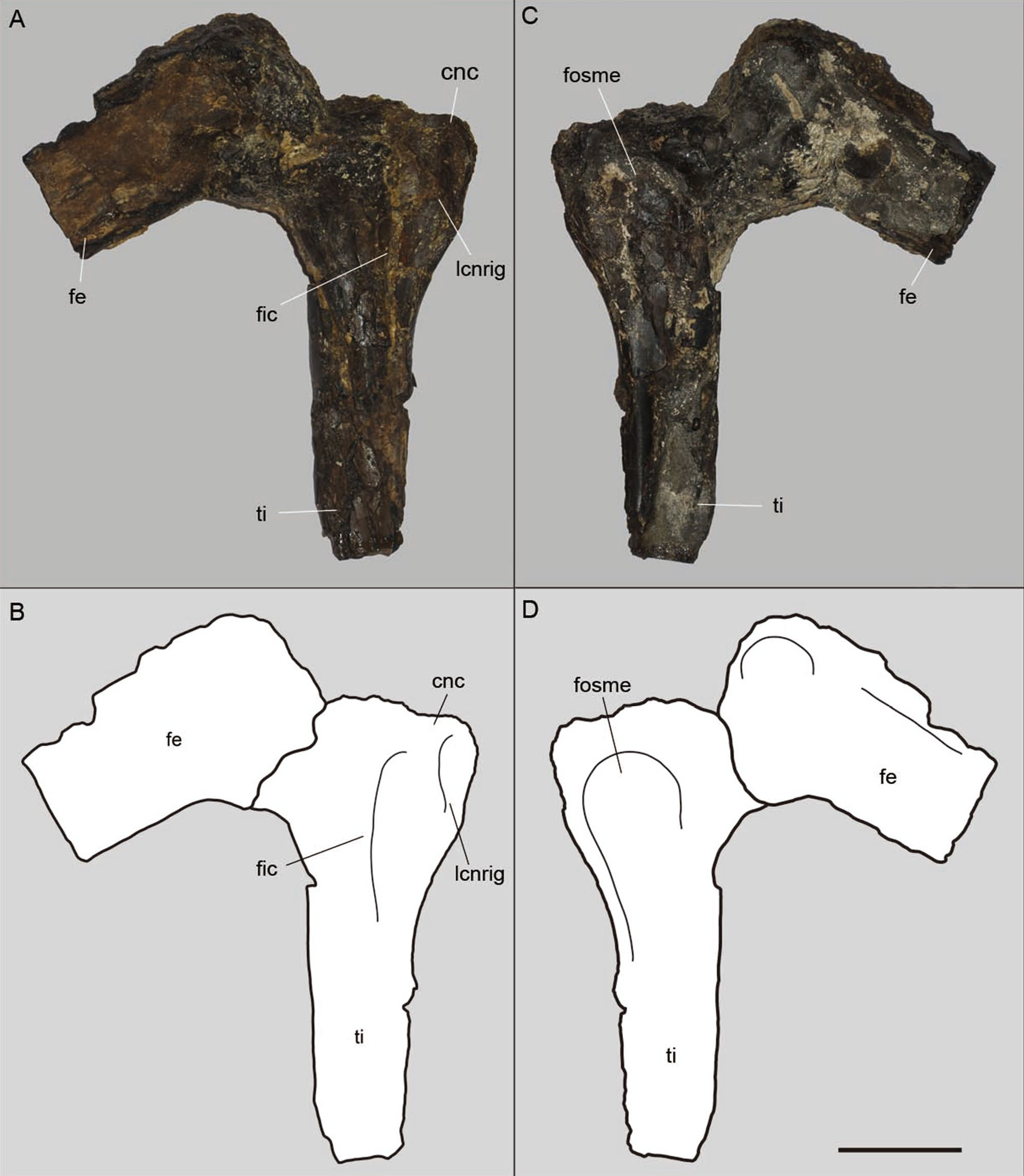
A DINOSAUR BONE HELD ON TO SOMETHING THAT LOOKS LIKE BLOOD
A team studying a 115-million-year-old fossil from Brazil found structures resembling red blood cells and chemical traces linked to heme.
READ THE STORY ↗The sky, the Earth and science: discoveries to open your eyes.
A team studying a 115-million-year-old fossil from Brazil found structures resembling red blood cells and chemical traces linked to heme.
READ THE STORY ↗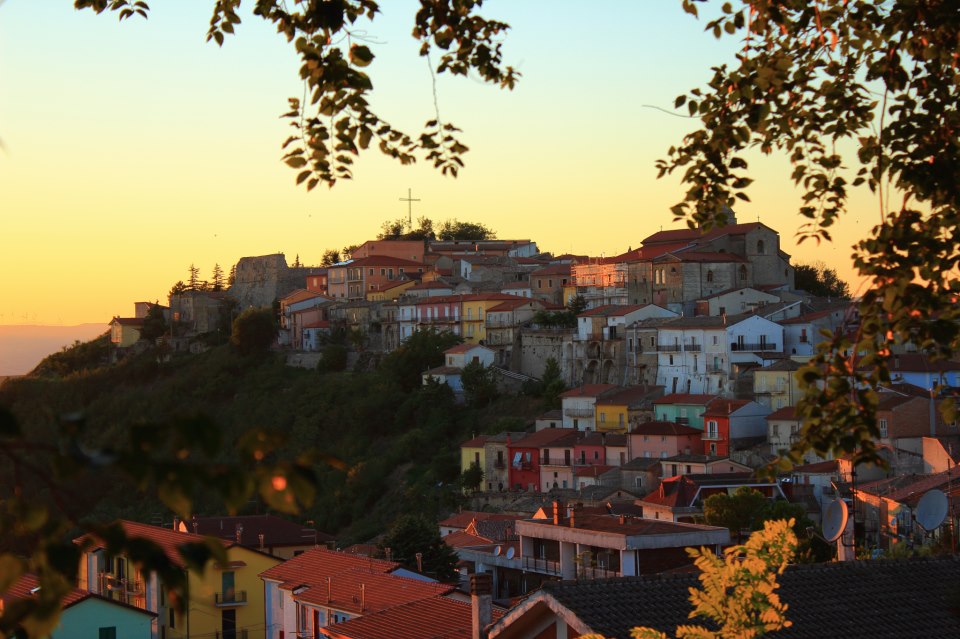
In Savignano Irpino, a puppy was rescued from a used-clothing container. A report from local residents, the emergency services and an animal welfare association helped bring him to safety.
READ THE STORY ↗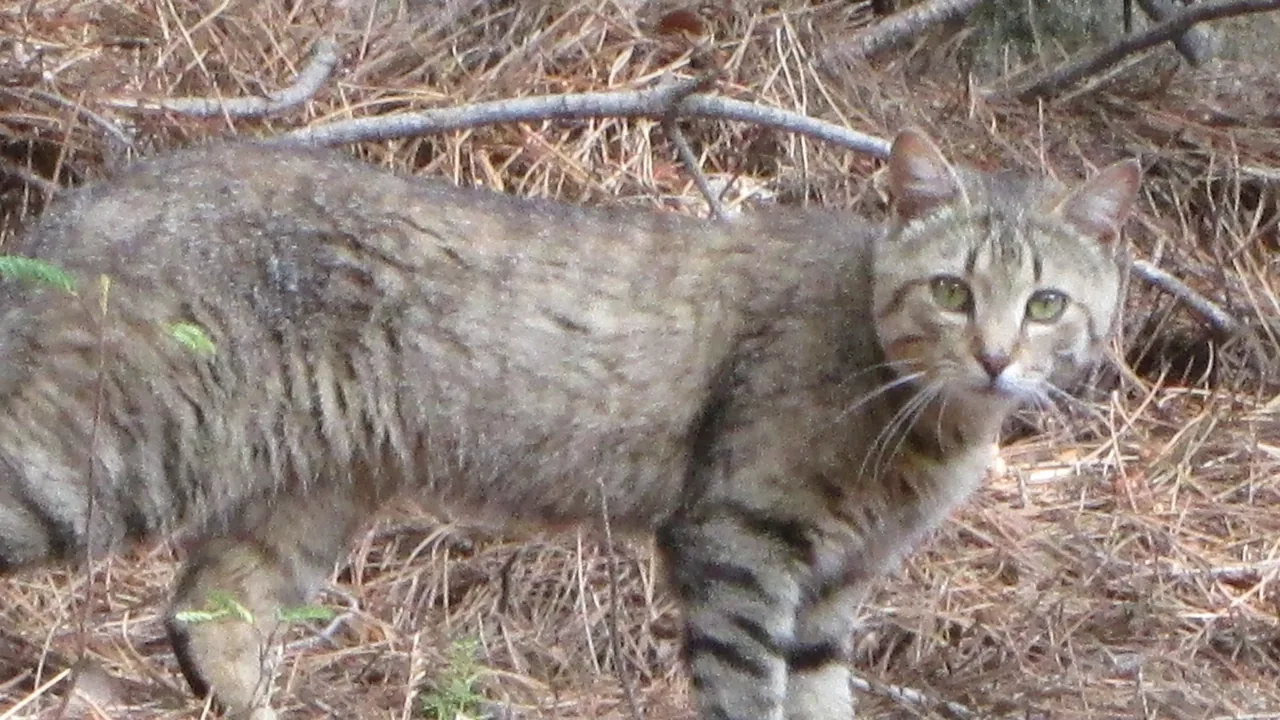
A pool of water, three cats and a discreet camera. A video from Monte Arcosu is both touching and revealing: wildlife needs space, research and protection.
READ THE STORY ↗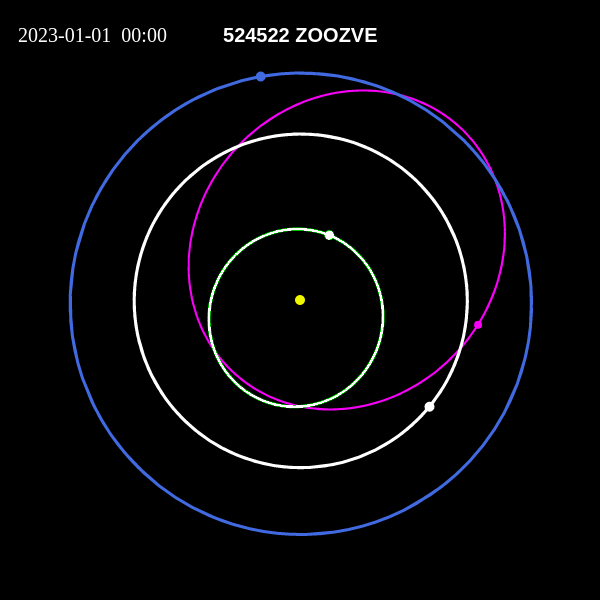
A poster in a child’s bedroom, a misread designation and a dad determined to understand it. This asteroid’s story sounds invented, but it led to an official astronomical name.
READ THE STORY ↗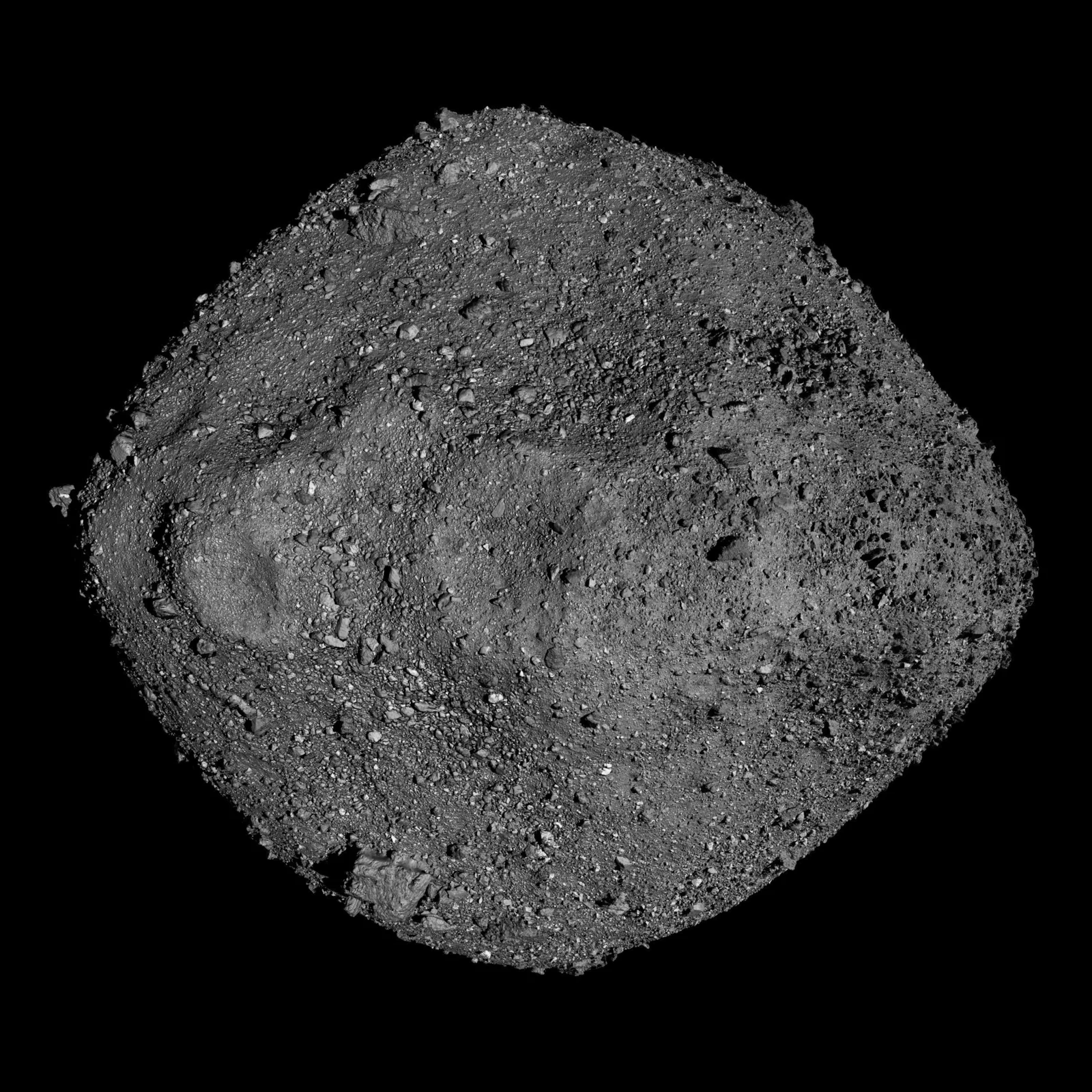
Its name is 2025 UK9. Just a few metres across, it was expected to approach Earth in the early hours of 31 October. But the figures need care: in astronomy, a prediction is not a photograph of what actually happened.
READ THE STORY ↗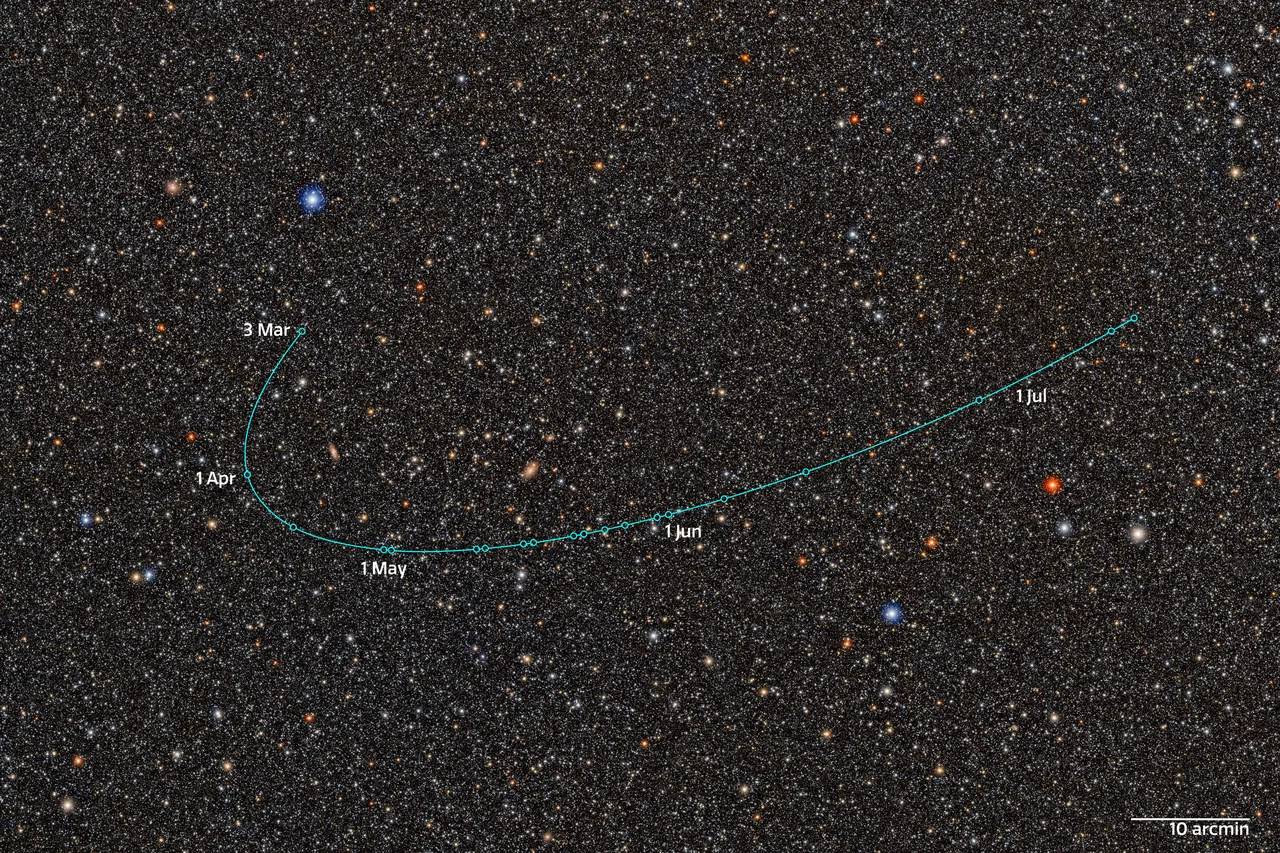
Named 2026 ED138, it was identified in Rubin Observatory data beyond Neptune. It could be a dwarf planet: here is what we know and what remains to be established.
READ THE STORY ↗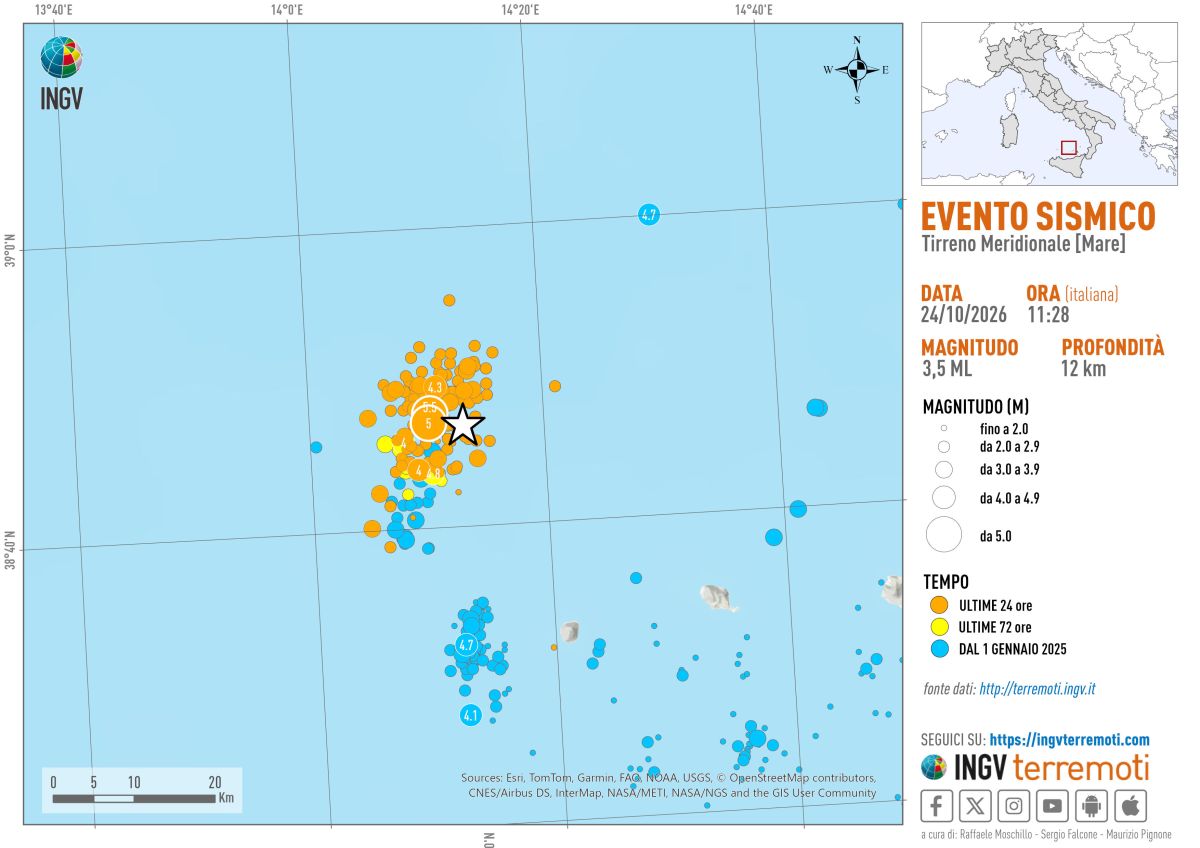
The underwater volcano’s name is being searched again following earthquakes in the Tyrrhenian Sea. We begin with INGV’s explanation, exploring an extraordinary part of the Mediterranean without letting fear take the helm.
READ THE STORY ↗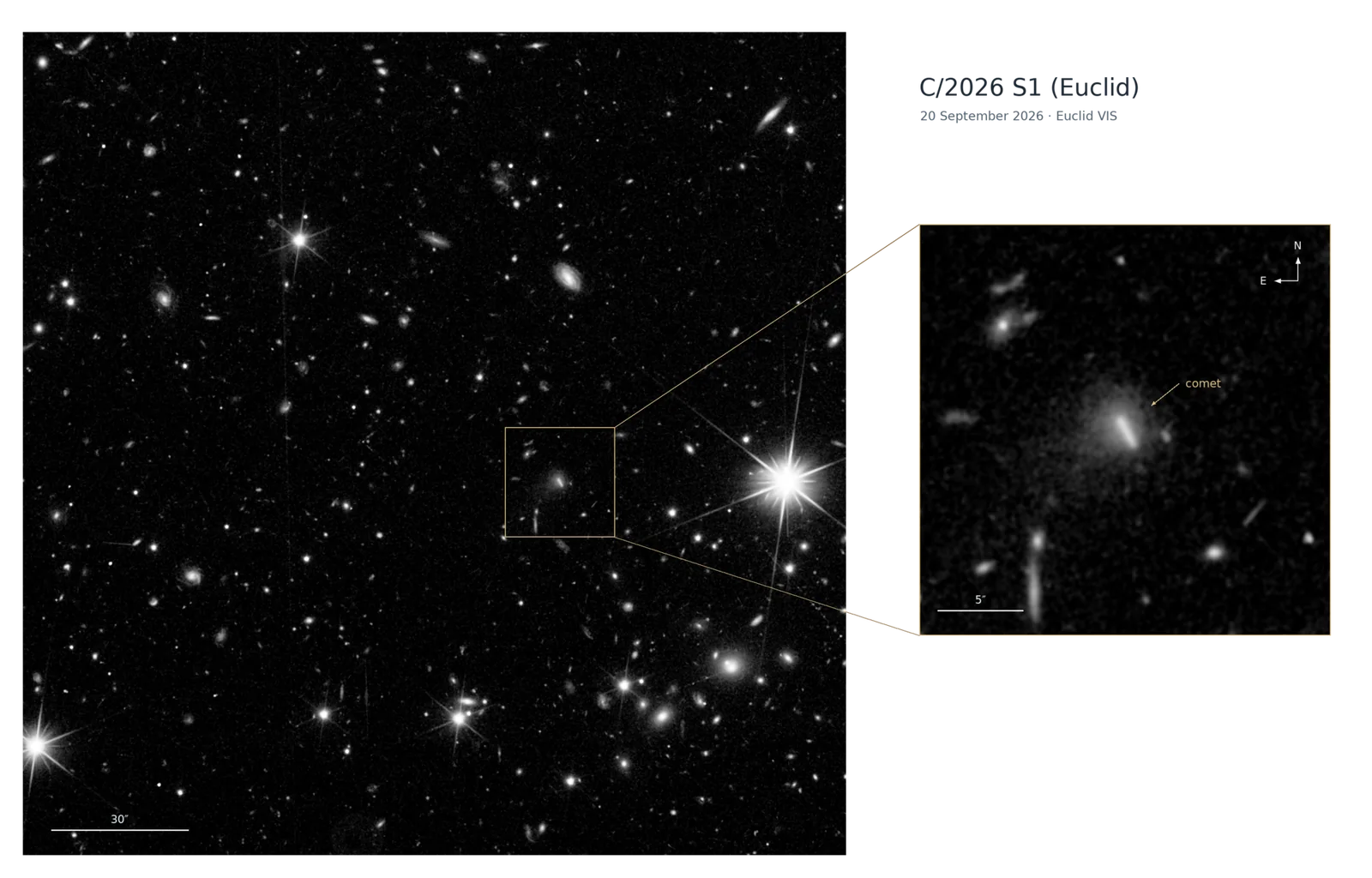
A bright streak in the images, software that recognises it and an object never catalogued before. C/2026 S1 is the first new comet discovered by the European telescope.
READ THE STORY ↗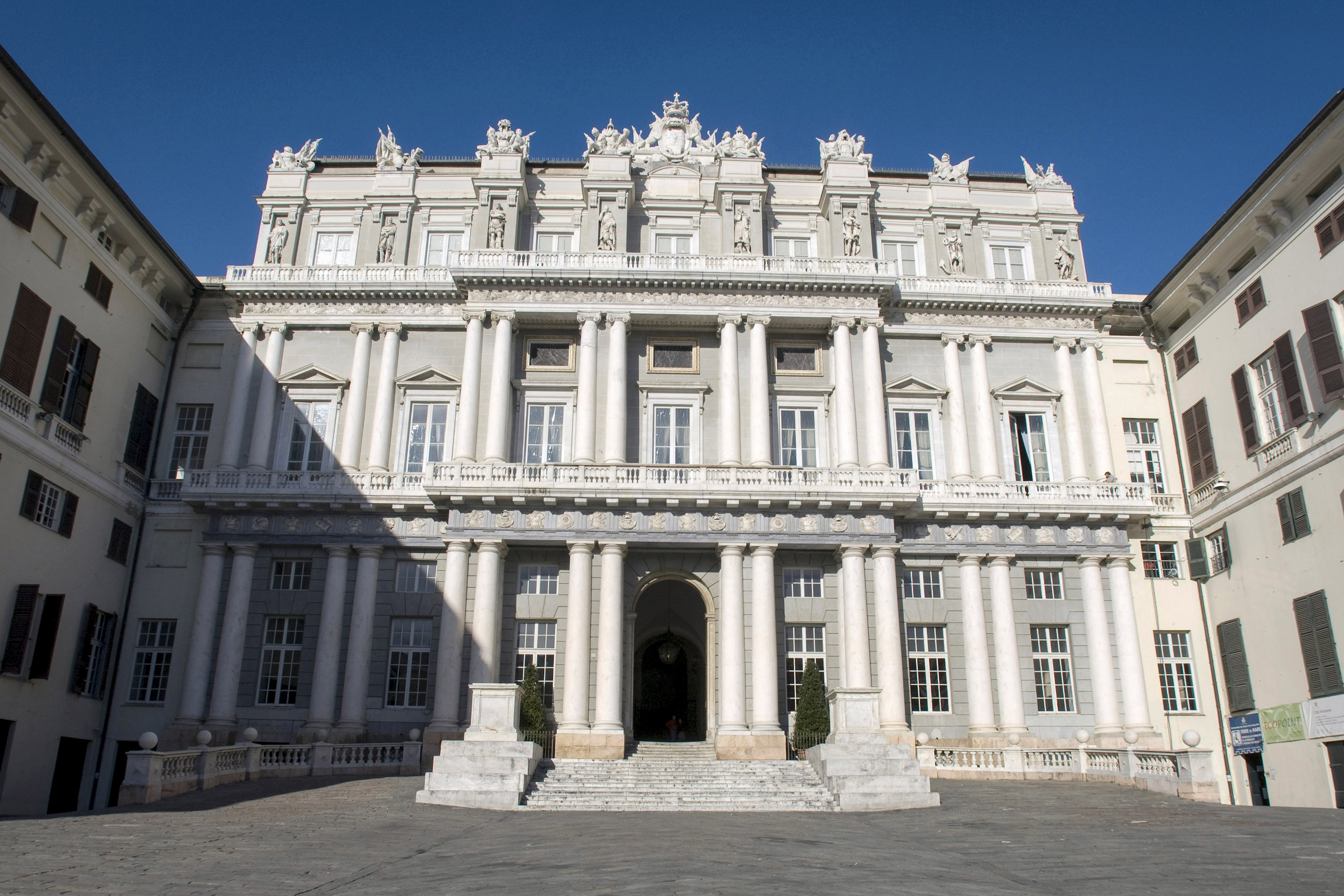
The 2026 Genoa Science Festival programme ended on 1 November. This guide remains online as an archive of the workshops, talks and exhibitions built around “Perspectives”.
READ THE STORY ↗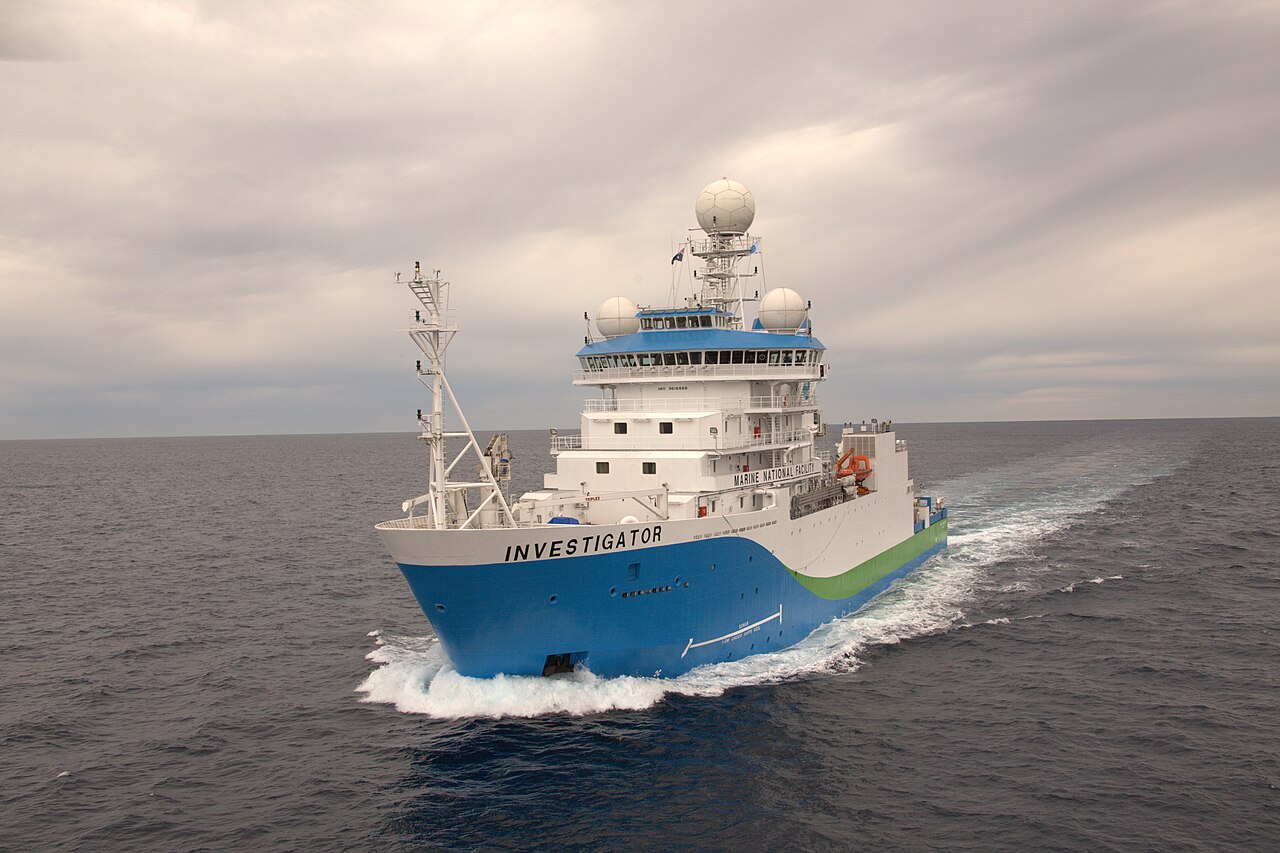
They seem to come out of an imaginative design, and instead they come from the bottoms of the Indian Ocean. Two new species, a genus never described before and a detail to be observed closely: those small structures that recall suction cups.
READ THE STORY ↗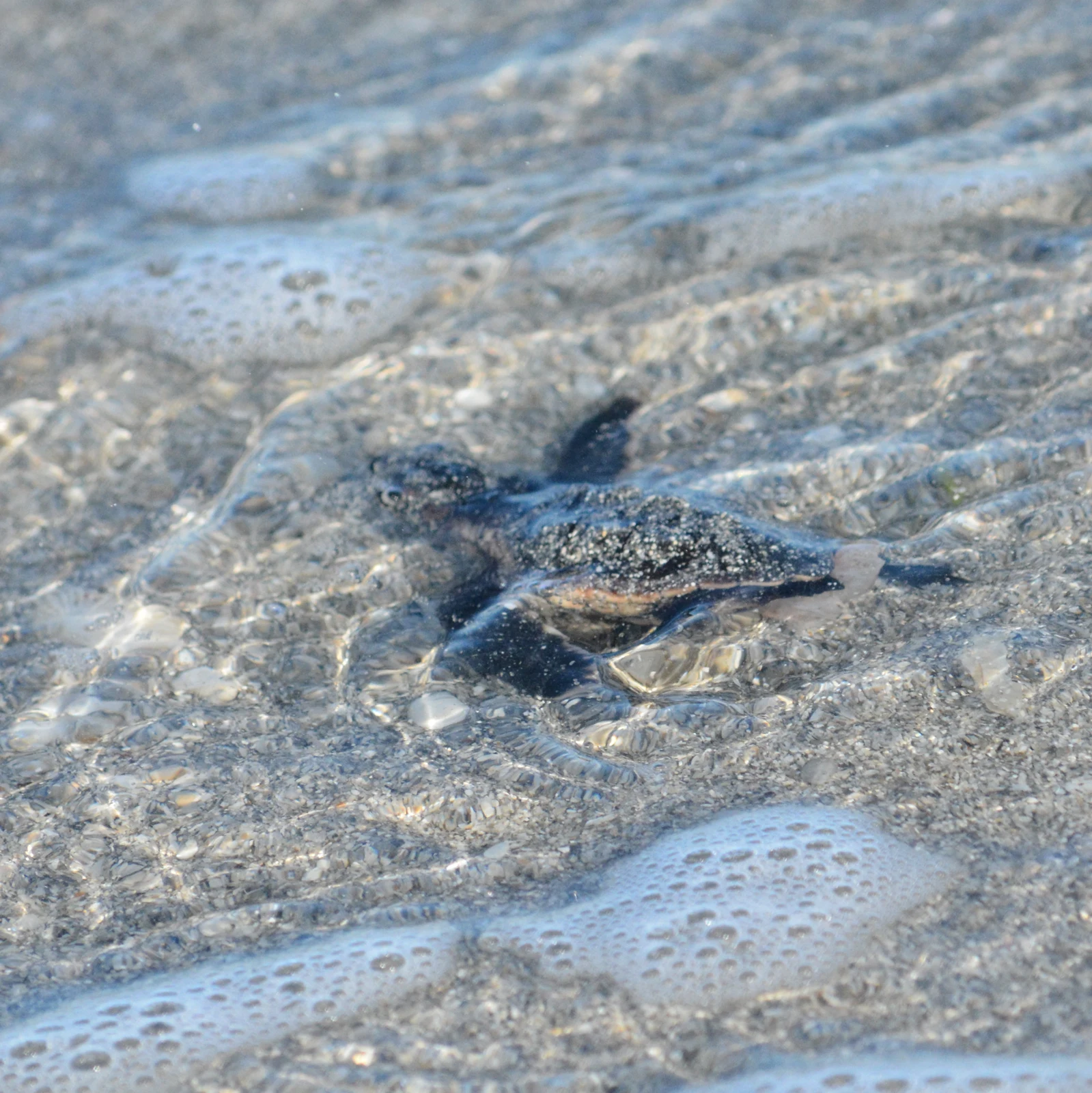
A storm uncovers eggs and baby turtles. A lifeguard raises the alarm: specialists arrive and one living hatchling reaches the sea.
READ THE STORY ↗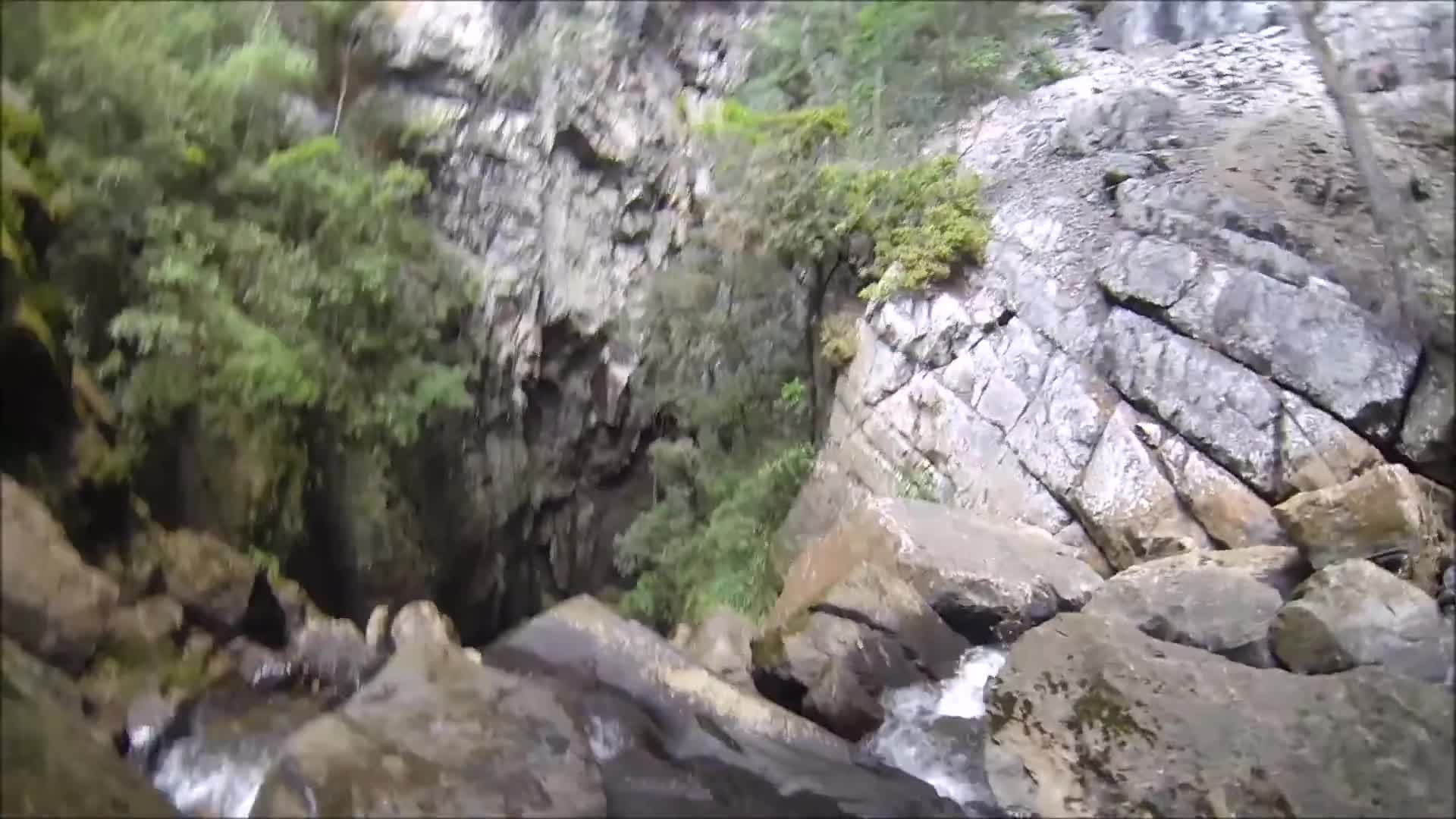
A sweep of colour, a cave framing the sky and a trail of water that seems to fall from the clouds. At Casa de Pedra in Brazil, there’s a scene worth watching twice. With plenty of wonder, and a few questions.
READ THE STORY ↗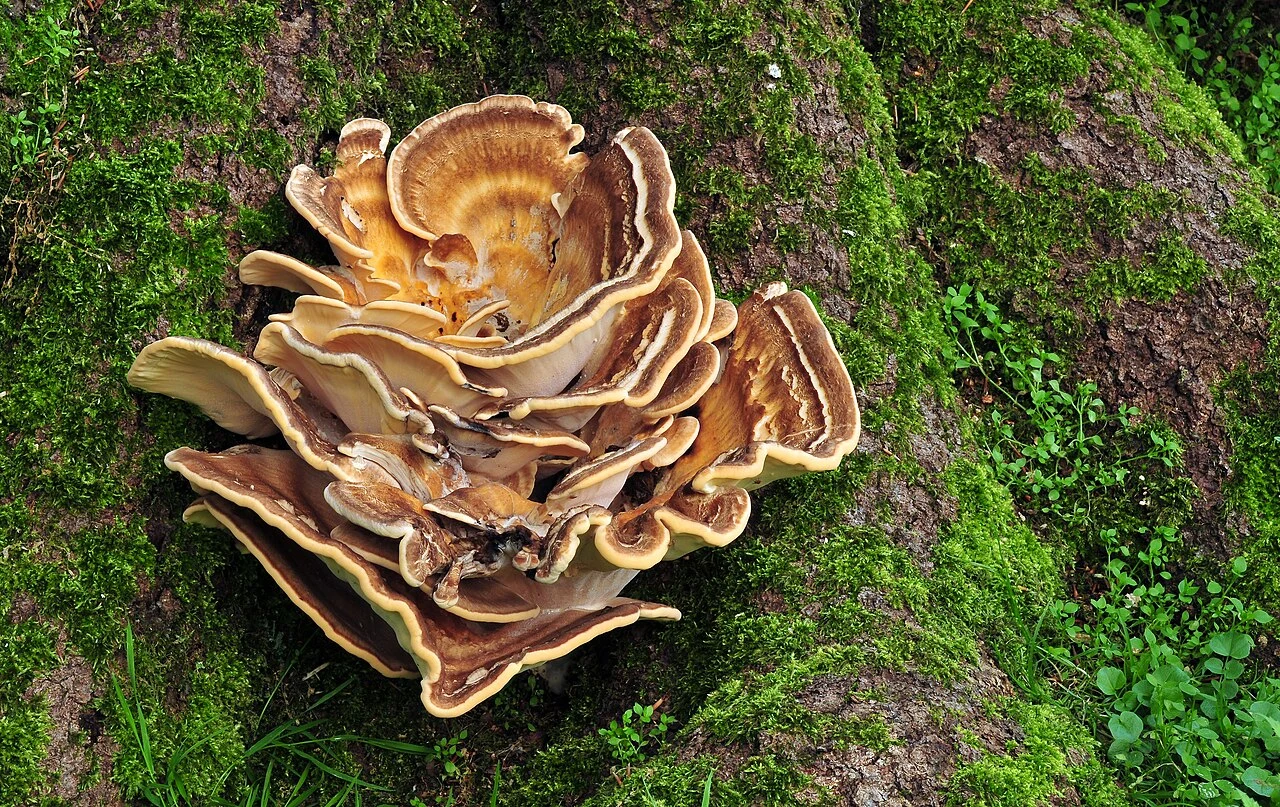
A discovery that makes the look stop: in the woods of Vallombrosa, Tiziana and Valter Cammilli have found a Meripilus of over 25 kilos. And the giant became the protagonist of a mycological exhibition.
READ THE STORY ↗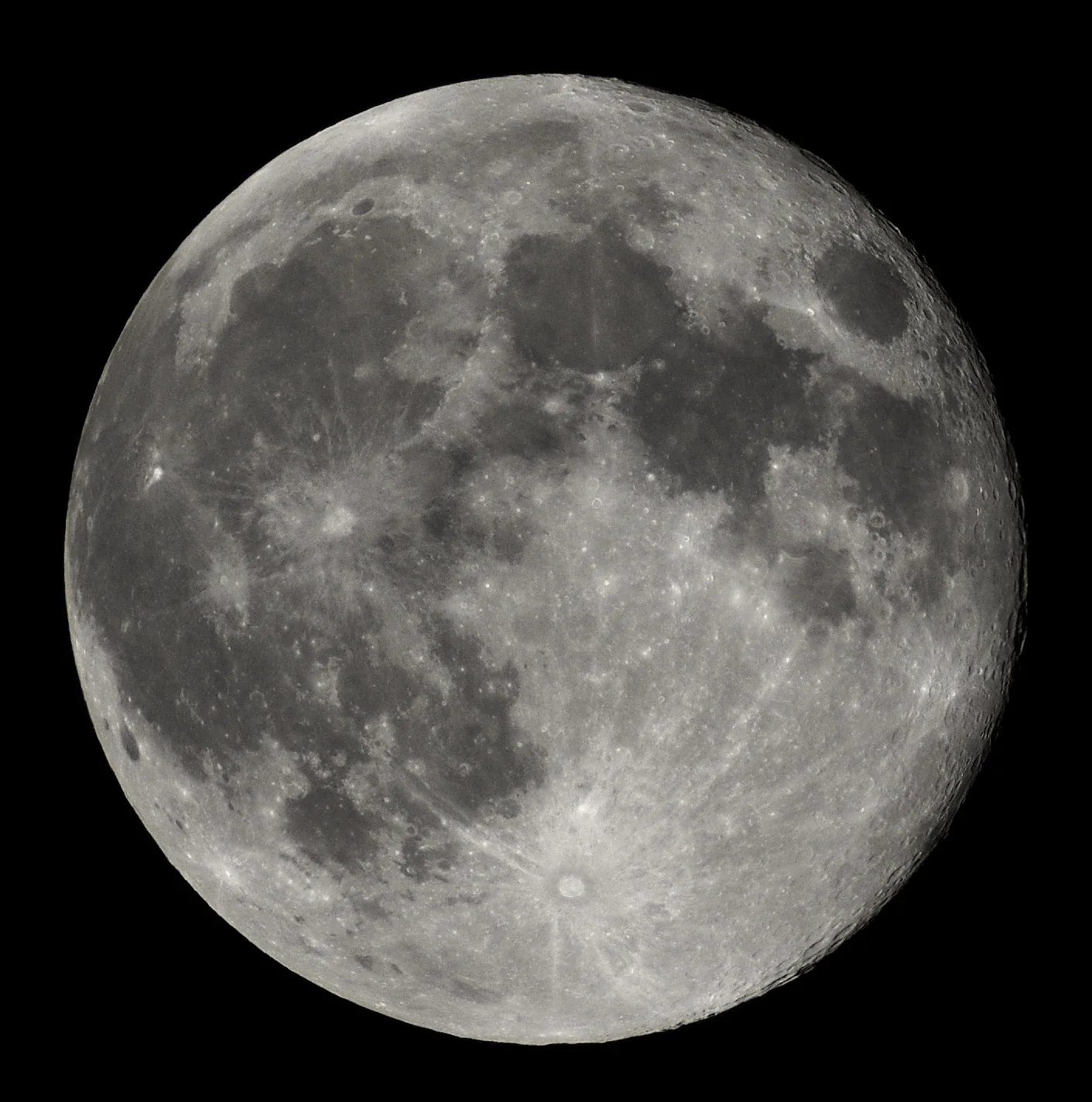
The full moon on 26 October invites us to look up. Its name comes from tradition, its light from the Sun, and the wonder can come from us. Here is how to give ourselves a small appointment with the sky.
READ THE STORY ↗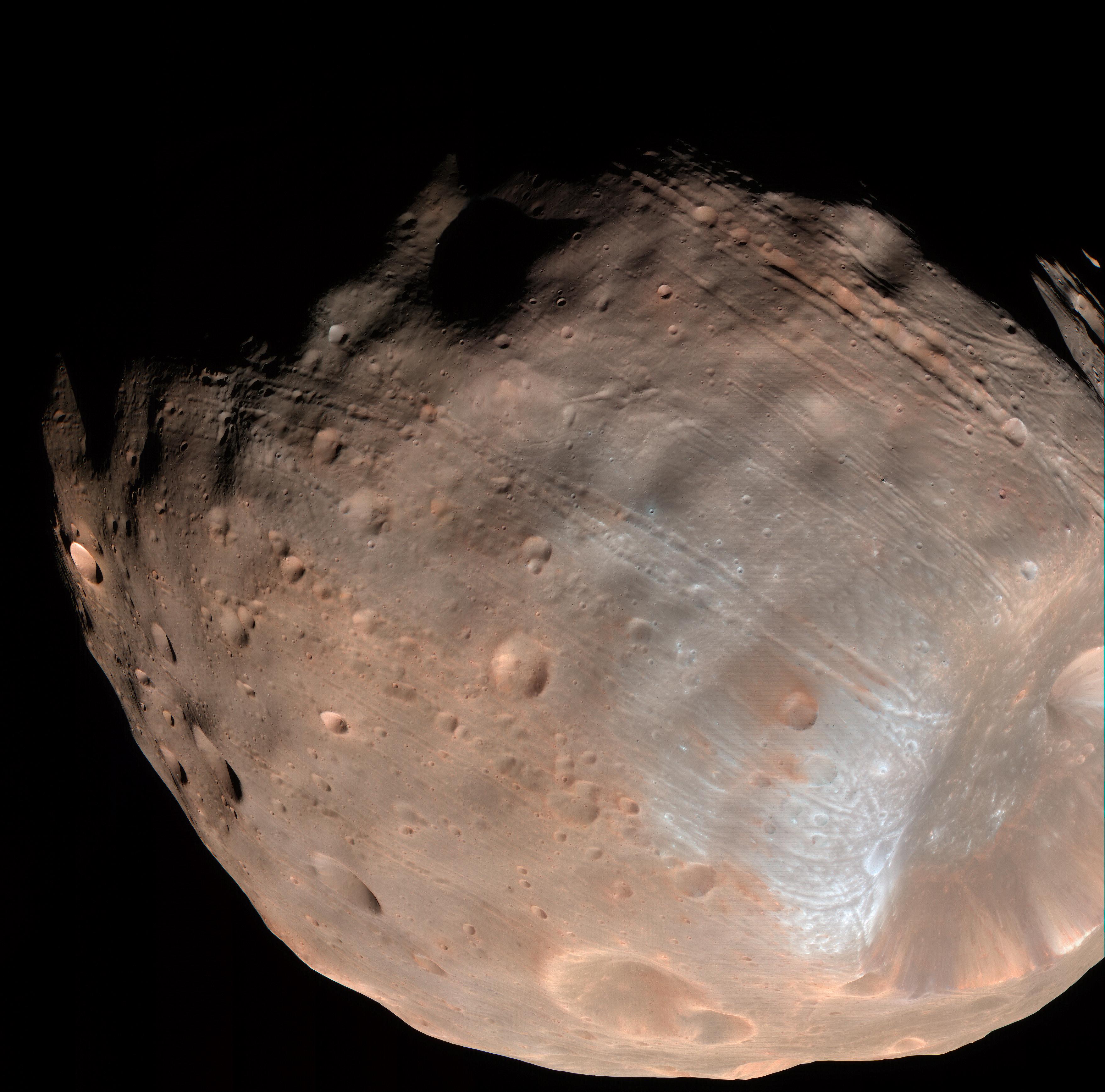
MMX went to Phobos! The launch confirmed by JAXA opens a journey with a tiny and ambitious goal: to bring back to Earth at least ten grams of a Mars moon.
READ THE STORY ↗
A warmer ocean can affect time thousands of miles away. The October 2026 NOAA updates help to understand the phenomenon, without turning predictions into prophecies.
READ THE STORY ↗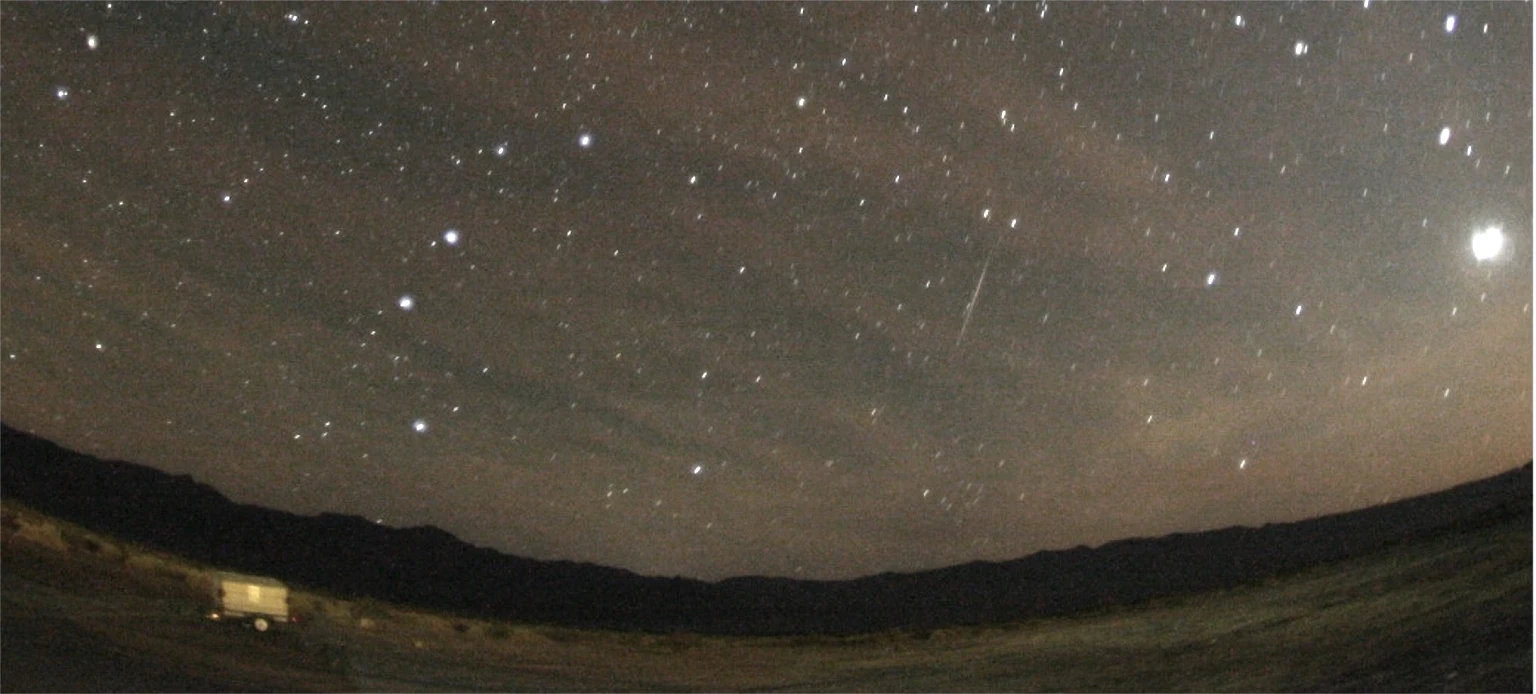
The Orionids peaked on the night of 21–22 October, but Halley’s comet debris is still crossing the sky: NASA lists activity until 7 November.
READ THE STORY ↗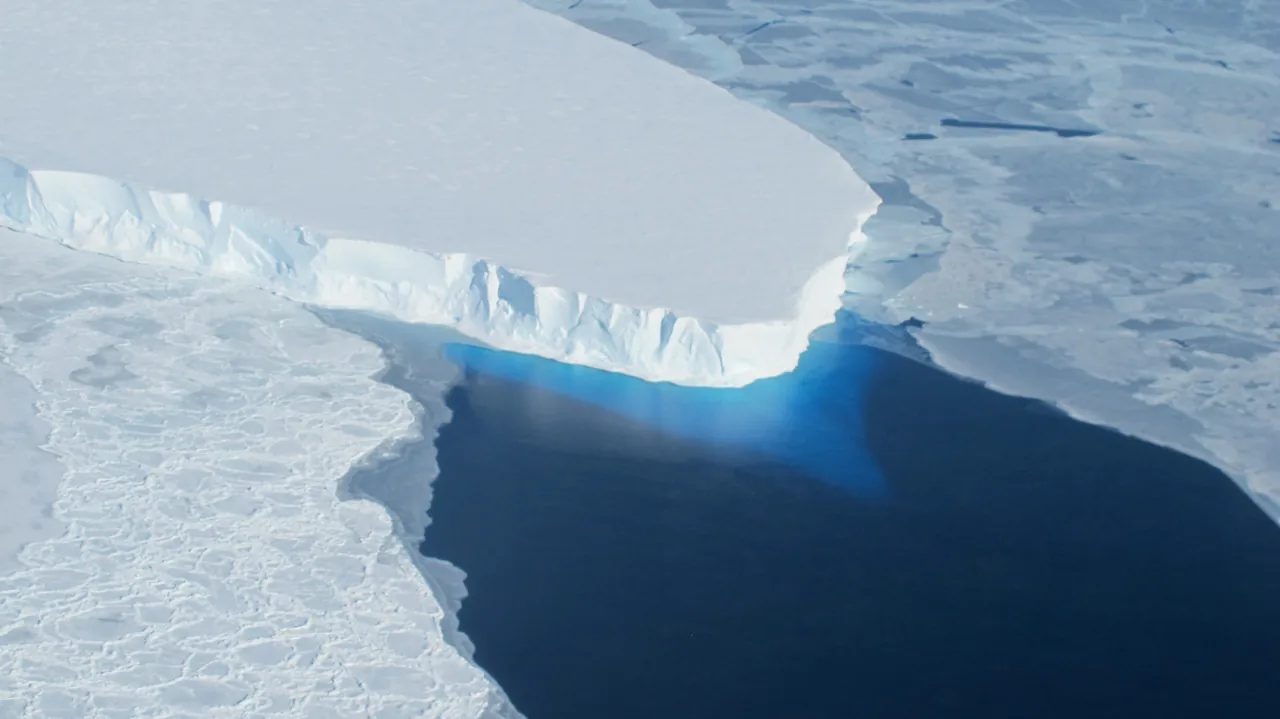
A computer experiment removed ocean-driven melting. Its results help explain how long changes in a glacier can persist.
READ THE STORY ↗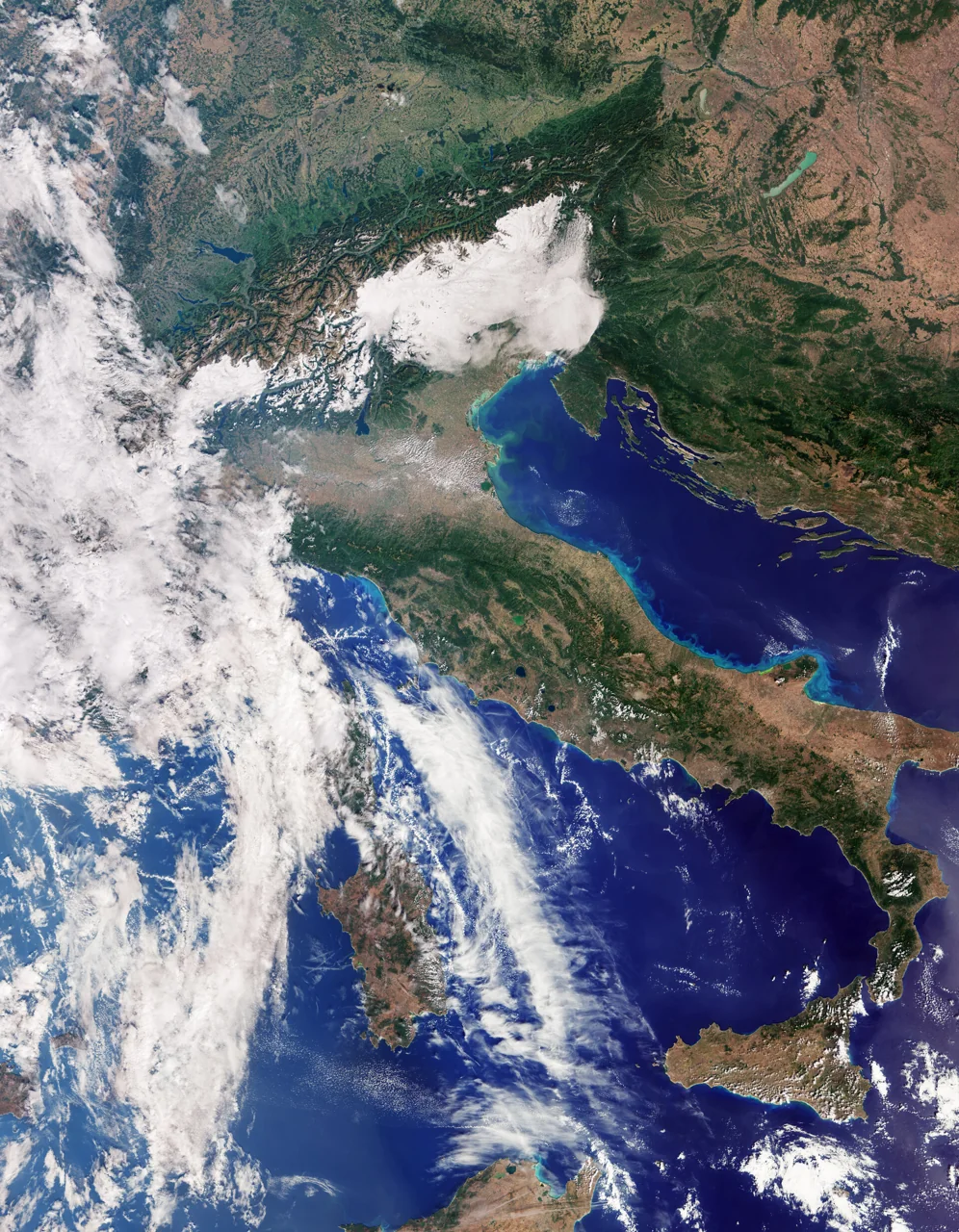
White Alpine peaks, the green and brown Po Valley, deep blue seas. One of the European satellite Sentinel-3C’s first images is a postcard of Italy that invites us to pause and look.
READ THE STORY ↗
More than 65,000 photographs from 121 countries and territories. An Italian photographer takes the title with an image that asks us to look more carefully.
READ THE STORY ↗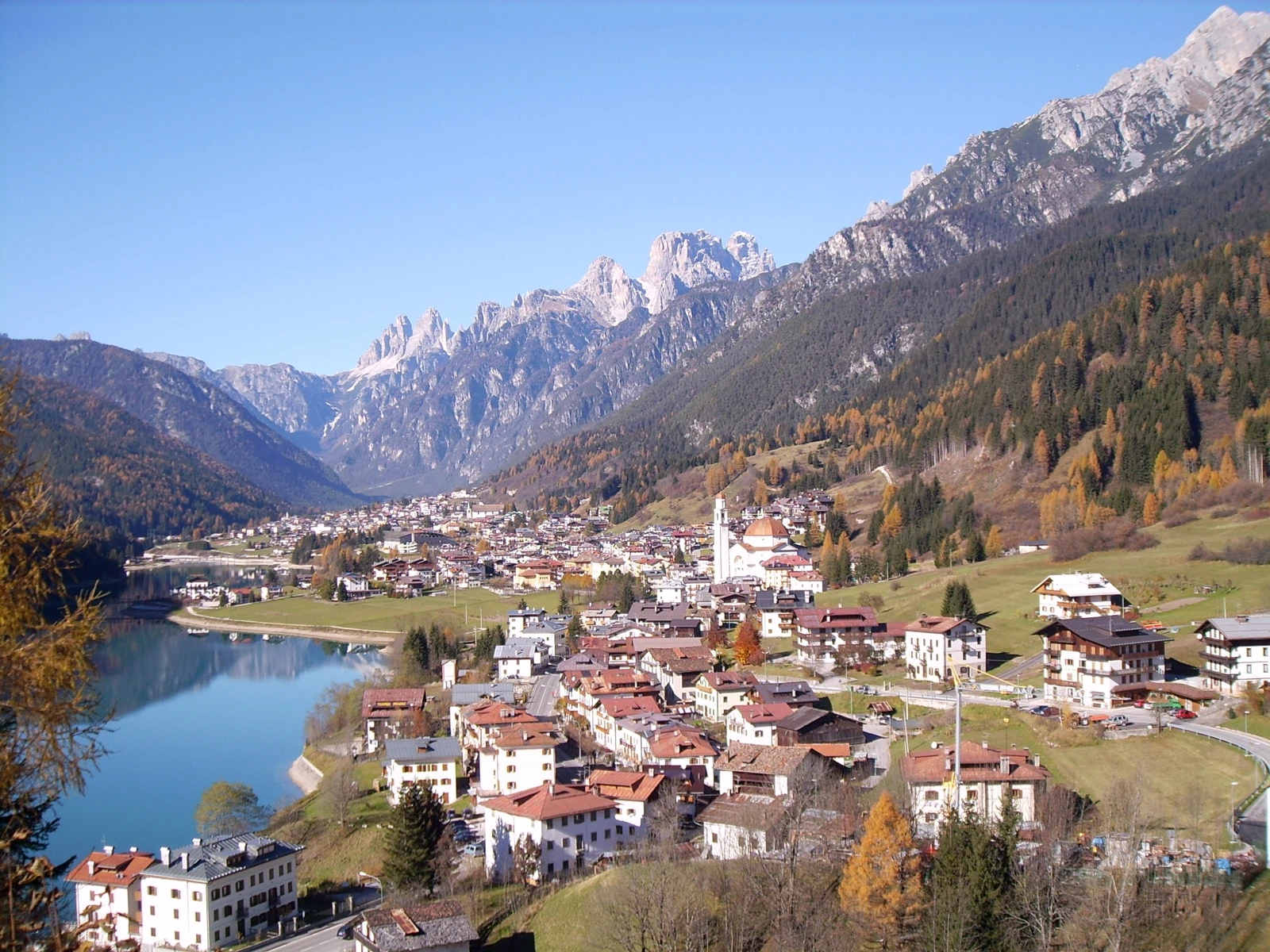
Golden larches, copper beeches and red vines: autumn gives Italy a different palette. Here are places to explore, with seasonal estimates rather than promises about a particular day.
READ THE STORY ↗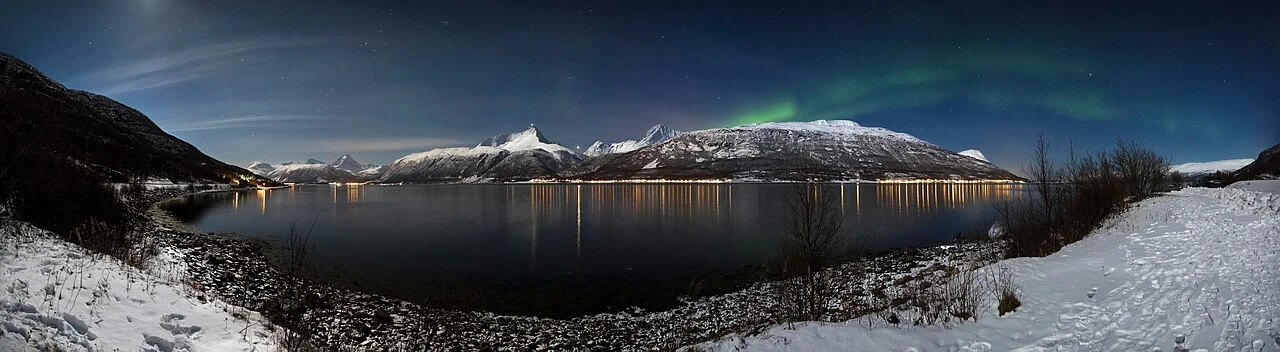
On Saturday 10 October 2026, the sky above the Dolomites turned pink. From Passo Giau to Lorenzago di Cadore and Tambre, three photographers captured the surprise: an aurora above Italy’s mountains.
READ THE STORY ↗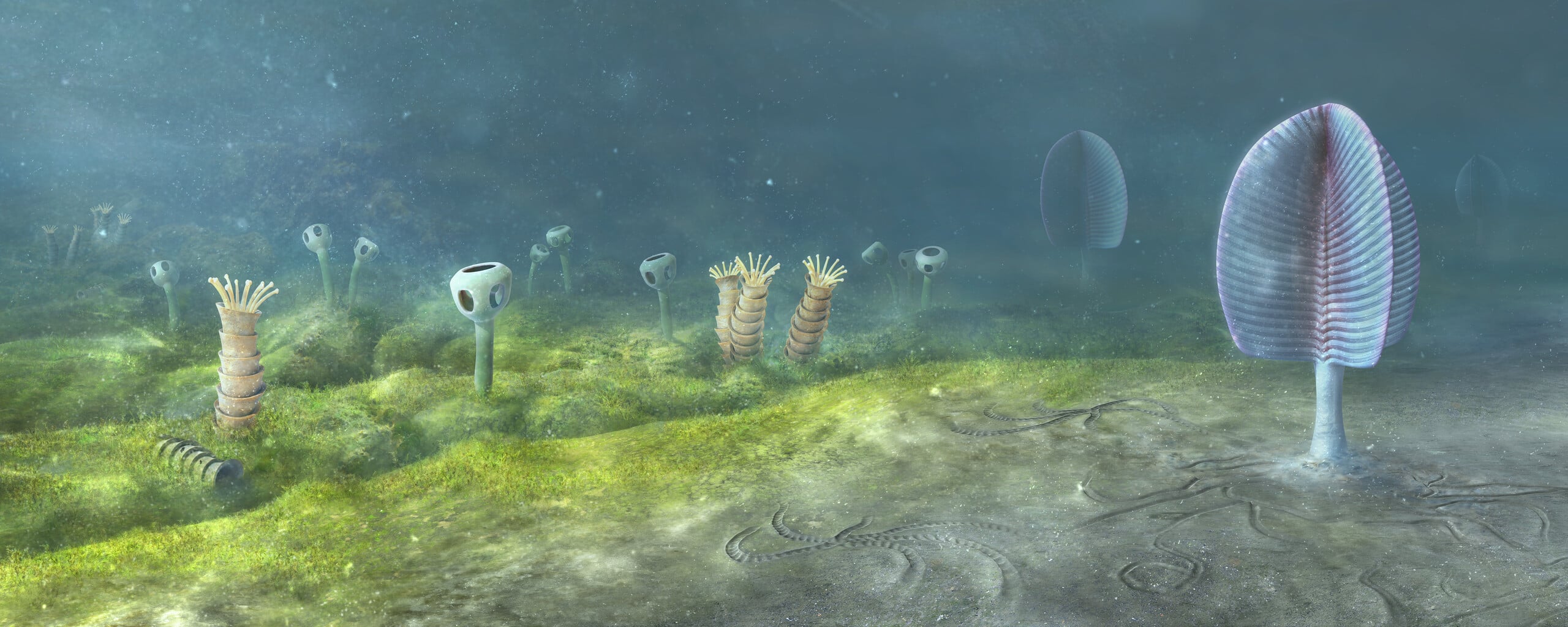
Animals may have appeared much earlier than the oldest known fossils suggest, perhaps 800–700 million years ago. A new study revisits an important clue: not finding a fossil does not always mean the animal did not exist.
READ THE STORY ↗
There is too much anger around, says the familiar voice of environmental television. In her view, the remedy is within reach: spending time with nature and learning its rhythms.
READ THE STORY ↗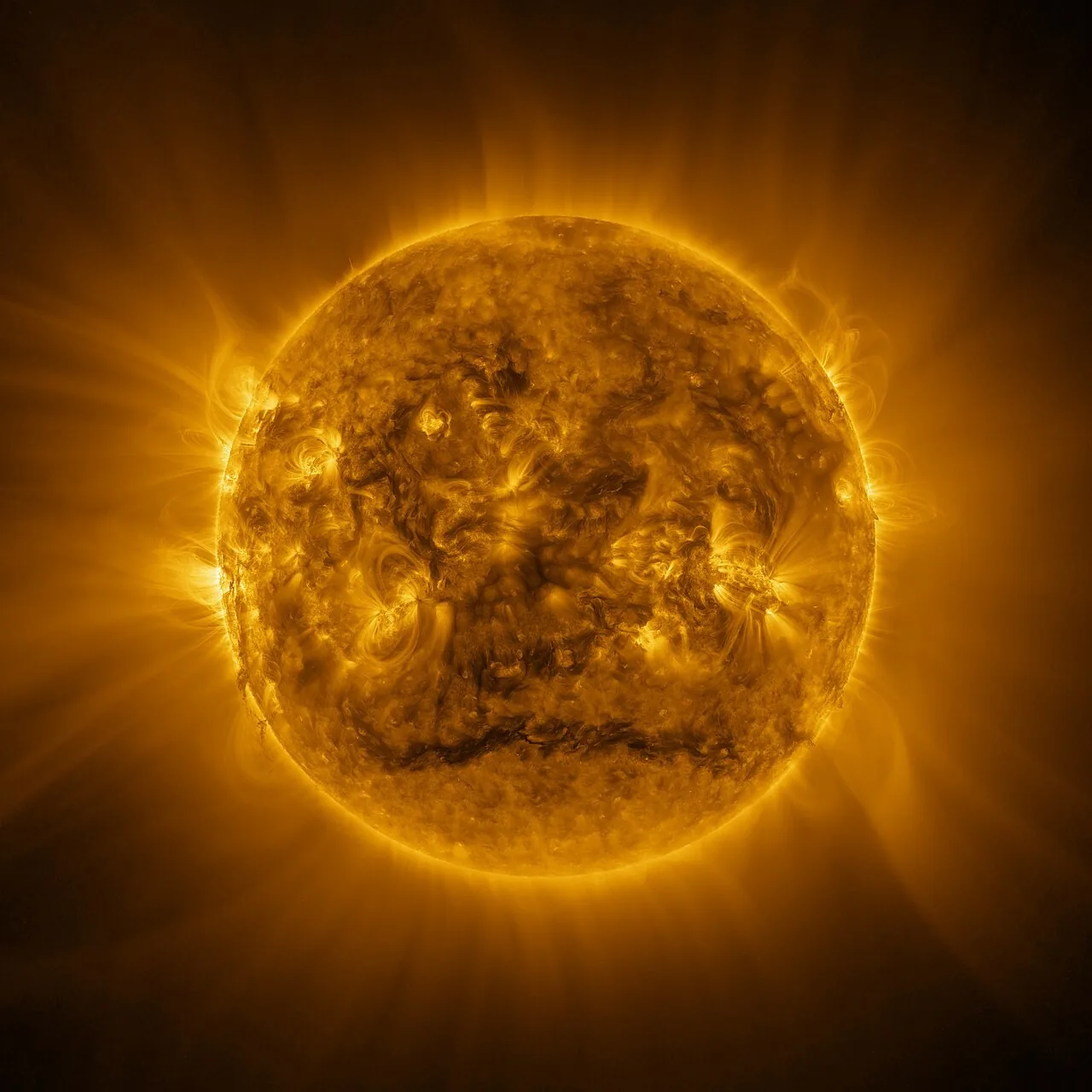
Solar Orbiter investigates particles streaming from the Sun. A magnetic “curl” may reveal their starting point.
READ THE STORY ↗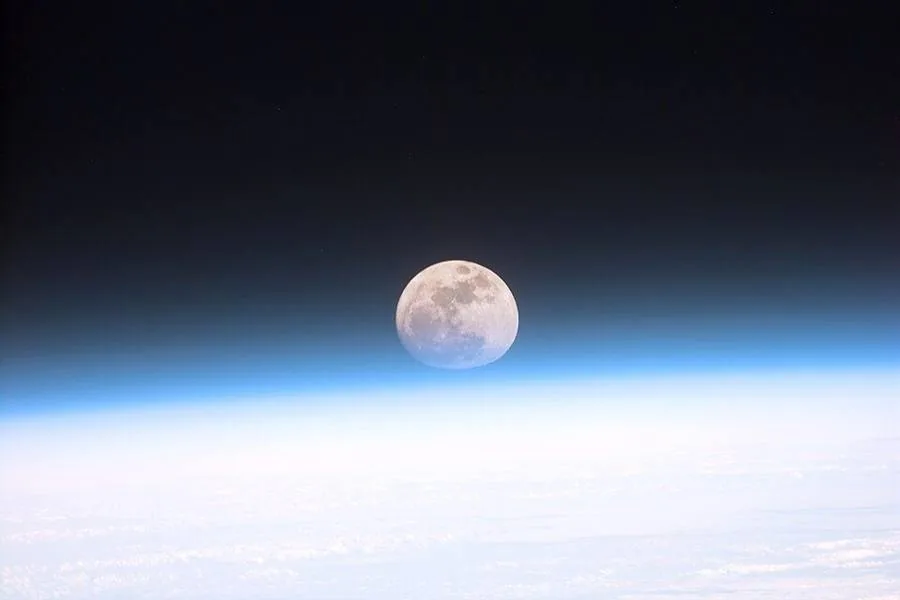
A lamp, a ball and a home experiment explaining crescents, quarters and eclipses.
READ THE STORY ↗