ONE FRAME THAT MAKES US STOP: FEDERICO VERONESI WINS WILDLIFE PHOTOGRAPHER OF THE YEAR!
More than 65,000 photographs from 121 countries and territories. An Italian photographer takes the title with an image that asks us to look more carefully.
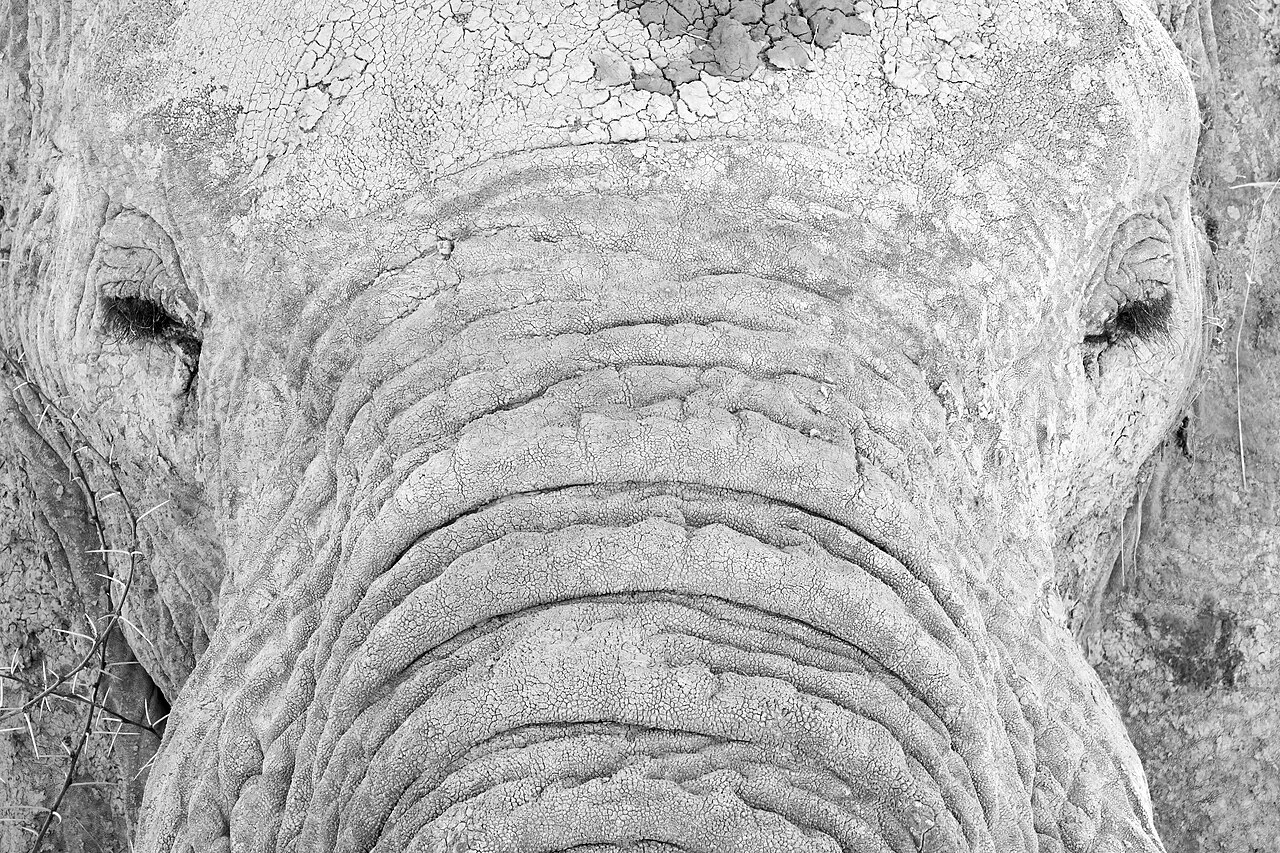
Some photographs refuse to be scrolled past. Federico Veronesi’s The Aftermath is one of them. The Italian photographer has won Wildlife Photographer of the Year 2026, organised by London’s Natural History Museum. The museum’s announcement is dated 13 October: the competition received 65,403 entries from 121 countries and territories.
A female elephant and a calf that has died
The black-and-white photograph shows a female elephant carrying a deceased calf between her trunk and tusk in Namibia’s Huab River Valley. Veronesi was following elephant tracks when unusual drag marks in the sand led him to the group.
The museum’s account does not establish that the female is the calf’s mother. It describes the complex responses elephants can show around death, including guarding bodies, touching bones and carrying dead animals. Researchers discuss how to interpret these behaviours, including as possible expressions of grief.
Talent has no minimum age
The overall young winner is Oscar Whitfield, a British photographer living in Zimbabwe. Labour of Love follows a dung beetle pushing its ball: a tiny animal doing important work for the environment.
Amelie Davis wins the category for photographers aged ten and under with a bumblebee in flight. Without her camera, she borrowed her dad’s smartphone. A lovely reminder that attention comes before equipment.
The exhibition opens on 16 October
The winning photographs are on display at the Natural History Museum from 16 October 2026 until 11 July 2027. If London is out of reach, the official competition gallery offers images and the stories behind them.
Isaiah 49:15 asks whether a woman can forget her child. The passage speaks of God’s faithful love. Placing it alongside this photograph is a reflection of faith, not a scientific explanation of the elephant’s feelings. It can still guide our gaze: paying attention to a vulnerable creature without turning its suffering into a spectacle is an act of respect.