TRICK OR SPACE ROCK? HALLOWEEN HAS A VISITOR IN THE SKY, TOO
Its name is 2025 UK9. Just a few metres across, it was expected to approach Earth in the early hours of 31 October. But the figures need care: in astronomy, a prediction is not a photograph of what actually happened.
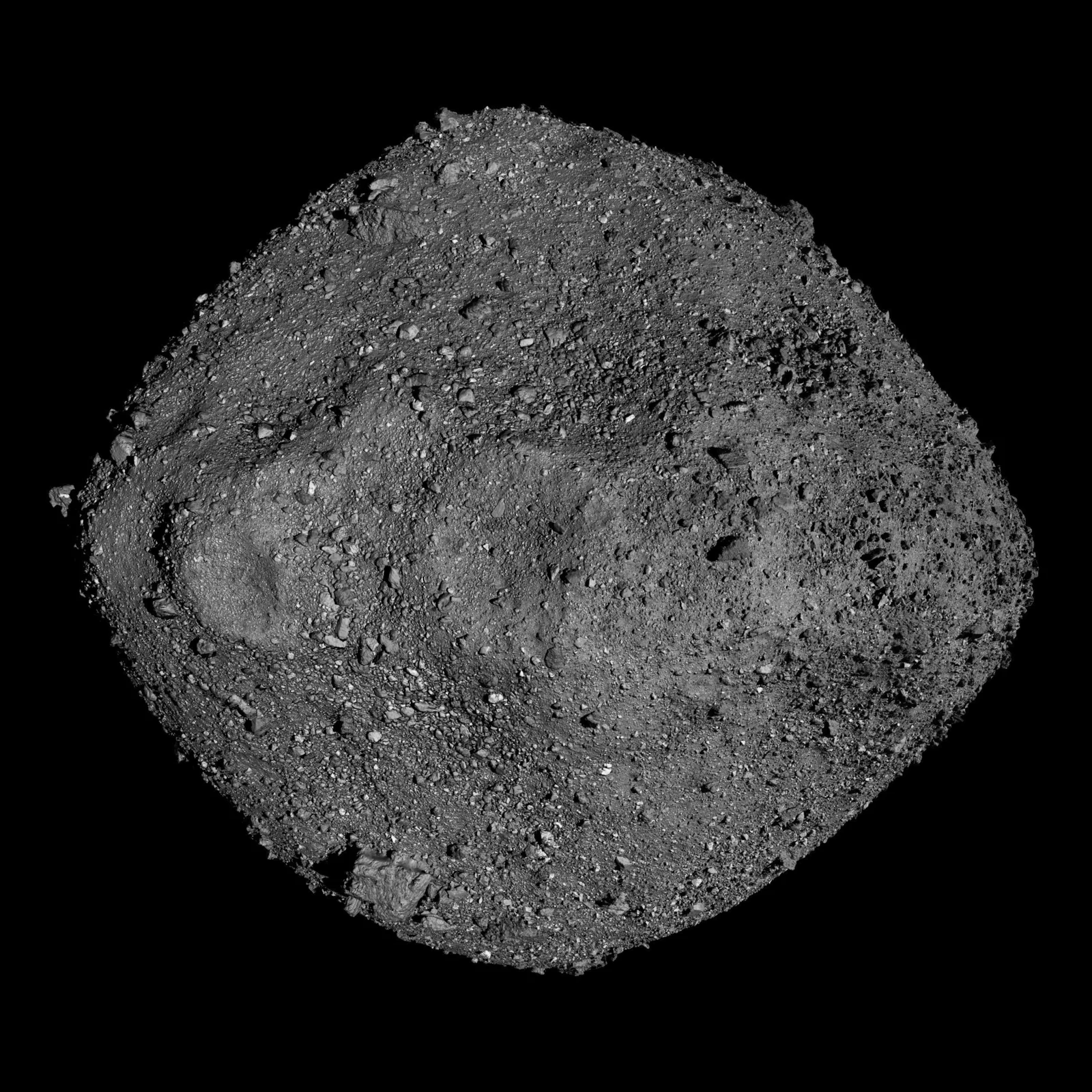
While people on Earth prepare pumpkins, sweets and costumes, a rather less memorable name has found its way into the news: 2025 UK9. It is the small asteroid nicknamed the Halloween asteroid because of the date of its predicted approach. A cheerful nickname, as long as it does not become an invitation to imagine a disaster movie.
Its close approach was predicted for the early hours of Saturday 31 October. The word to hold on to is predicted. An honest account of the sky has room for uncertainty, particularly when the observations available do not allow every figure to be pinned down precisely.
A small object with plenty to teach us
Estimates released before the approach put its diameter at roughly 3–7 metres. Think of the size of a vehicle to get a sense of the scale: tiny beside a planet, certainly, but interesting enough to attract the attention of the people who study these objects.
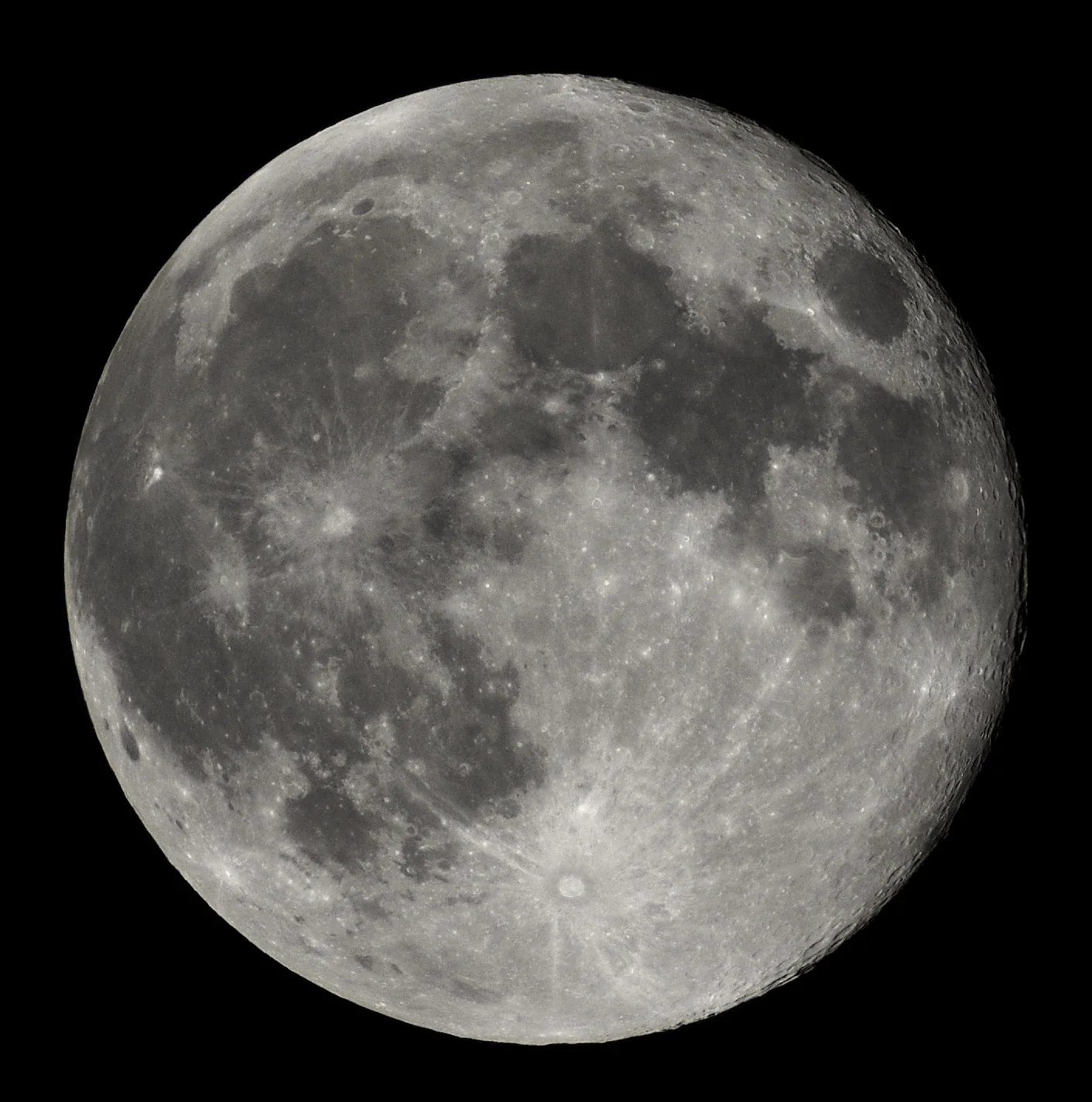
The prediction published on 28 October placed the approach at around 3.35am Italian time, approximately 315,000 kilometres from Earth's centre. That prompted comparisons with the Moon's average distance of about 384,000 kilometres. These are useful figures for orientation, not a confirmed measurement of the encounter.
Why the caution? The initial observations covered only a short period. When the known stretch of an object's path is limited, calculations of its future position retain a margin of uncertainty. Further measurements can change the predicted time and distance. That is how research works.
“Closer than the Moon” is only part of the story
A headline mentioning the Moon catches the eye. Yet two objects can be at comparable distances from Earth without being close to each other. Space has three dimensions, even when the pictures on our phones flatten everything into a single diagram.
The Sormano Observatory table, updated on 29 October, listed a nominal distance of roughly 304,000 kilometres for 2025 UK9, with a very wide uncertainty interval extending beyond the Moon's average distance. It would therefore be wrong to present the comparison with the Moon as an established fact.
The distances and times given are orbital predictions. Reconstructing the actual flyby requires subsequent observations. Knowing the predicted path already reveals how much work goes into following that tiny point in the sky.
An asteroid is not a shooting star
This distinction matters, too. An asteroid is a body orbiting the Sun. The luminous streak we call a shooting star is the phenomenon produced when material enters the atmosphere. A meteorite is a fragment that survives the journey to the ground.
Reading about a close approach does not mean there will be a streak of light to watch from your balcony. Before planning an evening of skywatching, it helps to know what is actually visible and what equipment is required.
The next name to know is 2002 VE68
The same forecast flags another encounter: 2002 VE68 is expected to pass on Monday 2 November at around 8.10pm Italian time. Its estimated diameter is larger, between 200 and 450 metres, and its predicted distance is more than 600,000 kilometres.
The observation described by specialists requires equipment and photographic imaging. It is not a promised naked-eye spectacle. Anyone interested can contact an amateur astronomy association and follow observatory updates, rather than relying on a dramatic picture shared without context.
Who keeps an eye on the sky?
The short NASA video accompanying this article explains how near-Earth asteroids are found and tracked: repeated images of the same patch of sky, objects changing position and additional observations. Behind an apparently impersonal label lies patient work, cooperation and careful checking.
It is a good story even if you have never used a telescope. We can be amazed without understanding everything at once. We can also ask questions without embarrassment: how far away is it? How do we know? How reliable is this prediction?
For believers, curiosity is one way of contemplating creation: looking carefully, learning more and respecting what we do not yet know. This evening, between a party and a phone call, we can take a moment at the window. The sky does not need an exceptional event to deserve our attention.
Source: NASA/JPL ↗