A DINOSAUR BONE HELD ON TO SOMETHING THAT LOOKS LIKE BLOOD
A team studying a 115-million-year-old fossil from Brazil found structures resembling red blood cells and chemical traces linked to heme.
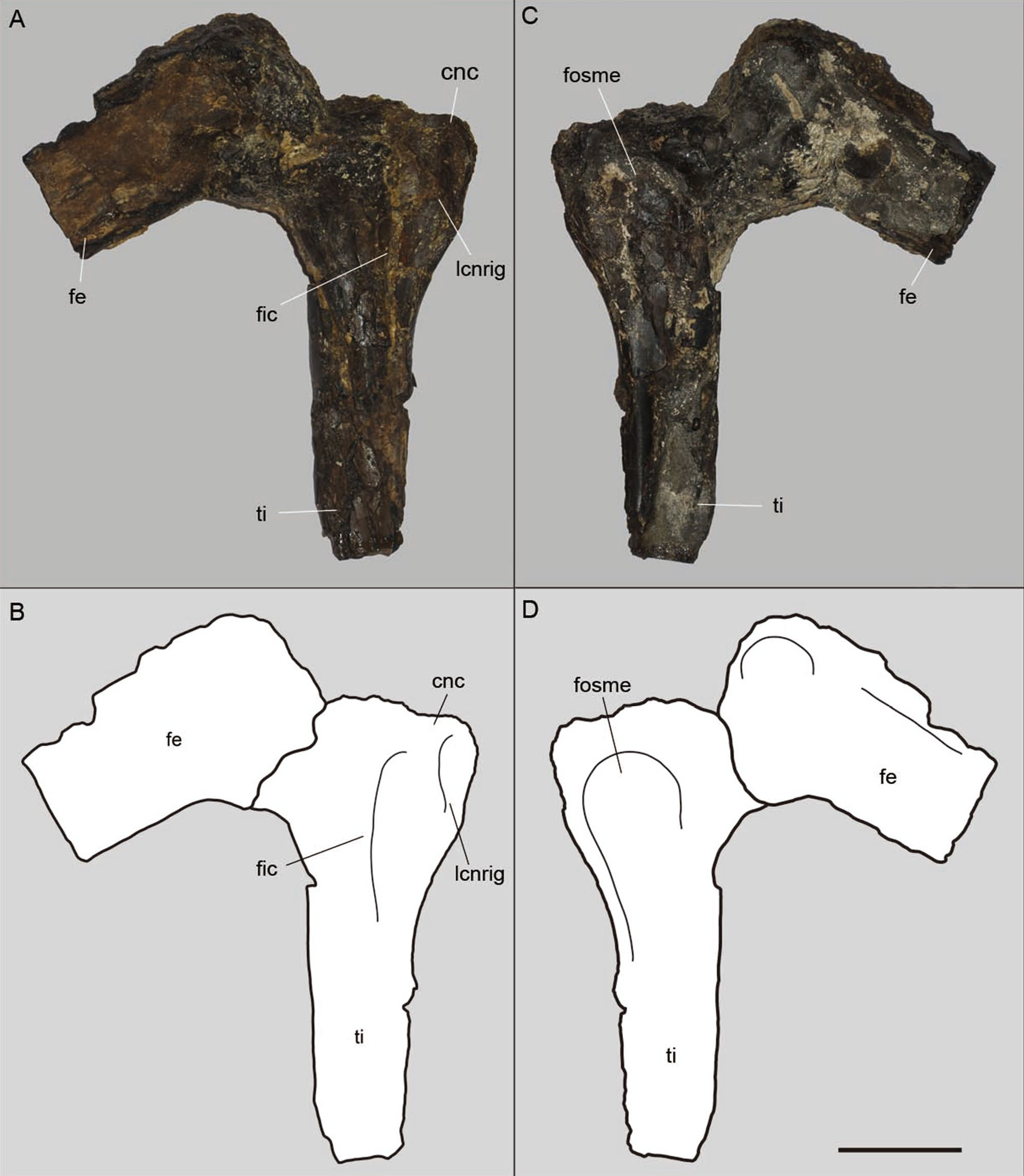
At first glance it’s a piece of leg bone. It came from a gypsum mine in Ceará, north-eastern Brazil, and belonged to a dinosaur called Aratasaurus museunacionali. The fossil was found in 2008. The surprise lay in tiny canals inside the bone, where blood flowed back when that leg could run.
A team led by Curtin University’s Kliti Grice found oval shapes that look like red blood cells under a microscope. The researchers also found molecules derived from heme, a component of haemoglobin involved in carrying oxygen.
What can survive 115 million years?
Think of a leaf impression in stone. The leaf is gone, but you can still trace its outline. In this fossil, the structures are mineralised. The team found chemical traces where the shapes were located. The combination, together with their position in the vascular canals, led the authors to suggest they were red blood cells.
There’s still an open question. Are the oval structures what they seem? Palaeontologist Mary Schweitzer, who was not involved in the PNAS study, has raised doubts about their size and shape.
The dinosaur can rest easy
If the Jurassic Park theme is now playing in your head, blame Spielberg. The study records molecular traces and mineralised structures. Reconstructing the animal’s genetic information would require DNA, which the study did not identify.
We already have a strange enough scene to imagine without special effects. A leg moving in the Cretaceous, oxygen travelling through canals so tiny we need a microscope to see them today. Then 115 million years pass and someone goes looking right there.