RAOUL BOVA, THE SCHOOL WITH ROOM FOR EVERYONE!
In Tutto l’amore che resta, he plays headteacher Stefano Fogli. Around him are young people with desires, anger, first loves and different lives to discover. And a question that reaches beyond the screen: how much room can we make for others?
Starting at a new school also means this: looking for a place, working out whom to speak to and wondering how others will see us. For Vittoria, one of the protagonists of Tutto l’amore che resta, that transition brings an even greater change. She leaves Rome and arrives at Frascati’s Helen Keller school, where her brother Matteo, an autistic boy, has been enrolled.
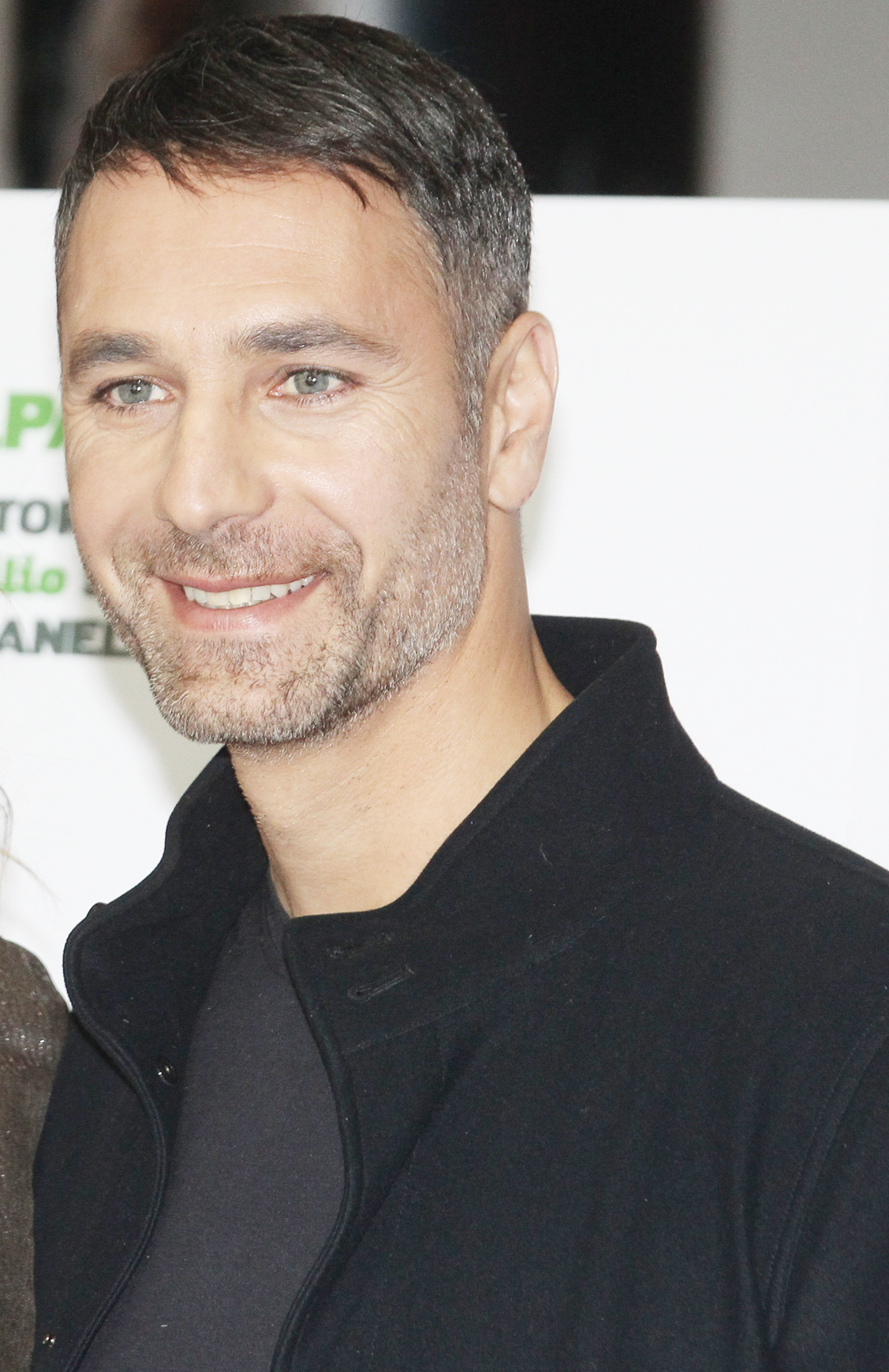
Leading the school is Stefano Fogli, played by Raoul Bova. The Rai1 series, directed by Andrea Rebuzzi and available on RaiPlay, reached its final television instalment on 27 October. We can catch up by starting with what sets its story in motion: people learning to know one another while friendships, desires and old wounds complicate everything.
The headteacher has a dream. And a personal story
Stefano founded this fictional school, which welcomes students with and without disabilities. For him, inclusion is a professional choice given additional urgency by his son’s illness. His investment in the school therefore also grows from an experience that affects him personally.
That makes the adult’s role interesting. Educators bring their own lives, hopes and vulnerabilities with them. In Stefano’s story, the school project and the need to protect can meet and become complicated. This is richer narrative territory than the image of a headteacher who always has the answer ready.
At the series’ presentation, Bova clearly identified the centre of the story: ‘But I’m not at the centre.’ He pointed to the students and their stories. It is a useful way to approach the drama: follow the familiar face who invites us in, then make room for the young people inhabiting those classrooms.
Vittoria, Giulio, Matteo: people first
Vittoria, played by Gloria Harvey, arrives with a life to rebuild and prejudices to question. Meeting Giulio, Francesco Leo’s character, changes her relationship with her new school. He uses a wheelchair following an accident, and is dealing with anger and questions that affect his relationships. Their connection develops within this tangle of experiences.
Alongside them are Matteo, Ambra, Luca, Carlotta and the other students. The episode synopses describe falling in love, jealousy, birthdays, changing friendships and truths that are difficult to confess. Disability and illness are part of some of these lives, alongside everything else that runs through adolescence.
Here, the word inclusion can become concrete for viewers, too. Someone may need support and, in the same afternoon, want another person to find them interesting. They may ask for help and get angry. They may be a funny friend or make a mistake. Recognising this complexity is a form of respect: it gives others the right to a personality, beyond a condition to be described.
The school Bova imagined before becoming an actor
A biographical detail brings the actor closer to the series’ subject. At its presentation, Bova recalled attending a teacher-training secondary school, doing placements in primary schools and later studying at Isef, the physical education institute. He connected that experience with his wish for a school where relationships were central.
His words extended to families, too. The actor stressed that welcoming people includes parents, and that social responsibility should not fall solely on those dealing with a difficulty at home. That observation deserves to stay with us: attention can begin before a problem touches us personally.
The video and where to catch up with the series
The official Tutto l’amore che resta page on RaiPlay brings the series together. RaiPlay Sound also offers the audio-described version: a concrete way to make the story accessible to people who cannot rely on images alone. The video link also takes you to the presentation and Bova’s words about the project.
Watch the official Rai trailer
Watch Tutto l’amore che resta on RaiPlay
Catch up with Tutto l’amore che resta on RaiPlay
Helen Keller: a real woman behind the name
The fictional school bears a name that opens another story. Helen Keller, born in the United States in 1880, became deaf and blind as a small child. With educator Anne Sullivan’s support, she continued her studies and graduated from Radcliffe College in 1904. She was a writer and activist who worked for the rights of people with disabilities.
Her story also contains other people’s work: tools, teaching and time devoted to communication. Seeing it solely as an extraordinary individual achievement would miss that network. Access to education is built through real opportunities, people and resources. This connection makes the school’s name particularly meaningful for the series’ subject.
From the screen to our habits
The drama is a Rai Fiction and Fabula Pictures co-production, adapted from the French series Lycée Toulouse-Lautrec, created by Fanny Riedberger. Many scenes were filmed at Marino’s former hostel. The school belongs to fiction: its characters allow us to consider real questions, without turning its plot into a description of all Italian schools.
For example: when planning an outing, do we ask what is needed so everyone can join in? When someone speaks at a different pace from ours, can we wait? These questions are easy to ask and demanding to carry into our habits. They require us to get to know the person before us instead of deciding on their behalf.
Perhaps the loveliest way to continue this story after switching off the television is to start with a thoughtful invitation. With an accessible place, time to respond and a willingness to change a plan. Making room often begins this way: noticing that someone is missing and asking what we can do together so they can be there.
SOURCES AND FURTHER READING
- RaiPlay — Tutto l’amore che resta, pagina ufficiale
- Rai Televideo — Presentazione della fiction
- RaiPlay — Ultimo appuntamento, 27 october 2026
- RaiPlay Sound — Serie con audiodescrizione e sinossi degli episodi
- Comune di Marino — La serie e le riprese nell’ex ostello
- American Foundation for the Blind — Helen Keller, biografia
- Rai — Trailer ufficiale, collegato dalla pagina Rai Televideo