Walter Koenig, a heart beyond the stars: Star Trek’s Chekov standing with the overlooked
Aboard the Enterprise, he helped us imagine a shared future. In life, he reached people who struggled even to see one: a journey among refugees, friendship and the warmth of a community saying goodbye.
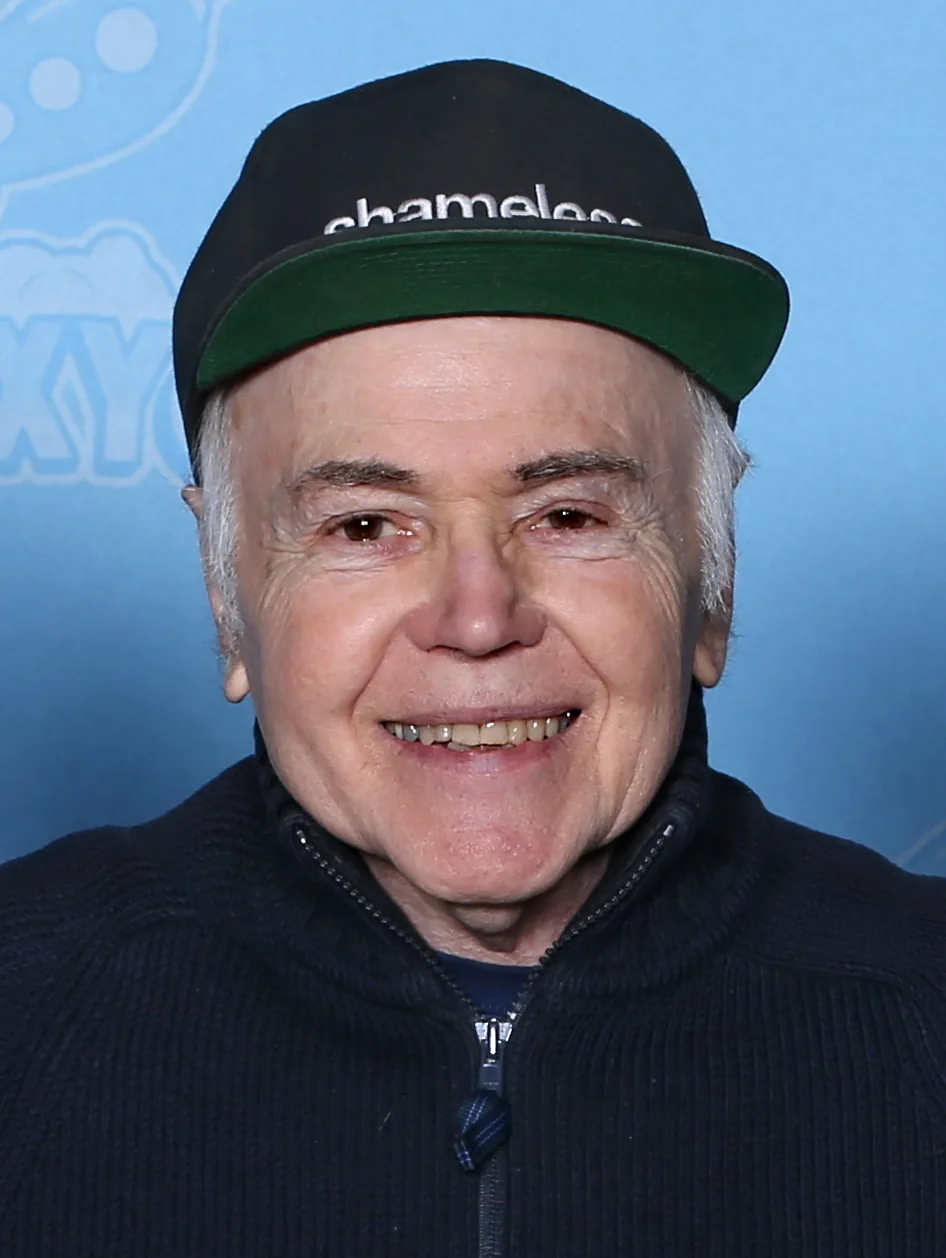
Some faces are familiar even after years. You find them in a rerun, a photograph, a series you watched with someone you love. For many, Walter Koenig will always be Pavel Chekov: young, lively, with that unmistakable Russian accent, at his station aboard the Enterprise.
The Television Academy remembered his death at 90 on 26 October. Scenes, characters and fans’ memories are returning. But another image of Walter deserves space: a seventy-year-old man travelling to the Thailand–Burma border to meet people forced to leave their homes.
There, the future was no screenplay. It was the question facing people who had lost safety, freedom and possibilities. Koenig chose to approach that question and bring it to those who knew him through adventures among the stars. That is where we want to begin our farewell.
The journey that took Chekov far from the Enterprise
In July 2007, on a trip organised by the U.S. Campaign for Burma, Koenig visited a refugee camp on the Thai–Burmese border. He met people affected by violence and former political prisoners. Photographs from 21 July show him with a Karen woman and children; he also visited a clinic during the trip.
Walter wanted people to know what he had seen. He asked the Star Trek community to spread the word and keep attention on the crisis. He knew the strength of that audience: people brought together by a shared passion could choose to act together.
The choice stands out for its practicality. Taking your fame and putting it at the service of a story receiving too little attention. Going, meeting people, returning with something to tell. Refusing to let distance turn people into a vague problem that is easy to forget.
Inviting fans to do something beautiful
Koenig saw his audience as a community capable of responding to real injustice. As he explained in 2007, a series built around people of different backgrounds could also speak to a willingness to care for others.
We love that connection. An actor knows the power of stories: how they can accompany you for years, make you care about someone, broaden your perspective. Walter tried to give that bond a practical direction. Many people listening together can carry a quiet voice further.
At CHIARA!, we find something luminous in this way of living: recognising that the attention you receive can become attention you offer. An audience seeking your autograph can also discover, through you, a reality it never knew.
A Russian on the bridge during the Cold War
Chekov joined the original Star Trek in its second season, in 1967. These were the Cold War years. Yet aboard the Enterprise, a Russian officer could work alongside the other crew members, share their mission and belong to the same team.
Star Trek’s official website reads that presence as a powerful message of cooperation across borders. A shared future took shape in an ordinary scene: different people working together, without nationality defining the whole of anyone’s worth.
Television history has practical motives too. In a 2011 interview with StarTrek.com, Koenig recalled that the character’s arrival reflected a wish to attract a young audience similar to the Monkees’ fans. An entertainment decision could also bring an enduring image to the screen.
Perhaps that is one of pop culture’s loveliest qualities. You sit down for an adventure and, without a solemn lecture, start imagining that living together is possible. That someone you were taught to fear might have a face, a sense of humour and a place beside yours.
Fans: people carrying their own stories
In his 2013 interview for the Television Academy Foundation, Koenig described conventions as something much broader than the stereotype of enthusiasts shut away in their own worlds. In his audience he recognised imagination, humanity and concern for justice.
That perspective also helps us understand the tribute from his representative, Zachery McGinnis. Remembering Walter, he highlighted the kindness, wit and gratitude with which he met the community around the series. These are qualities described by someone who worked with him, now accompanying memories of his performances.
An encounter with an actor can hold so much. An afternoon watching television with a parent. A friendship born from a shared passion. A series that kept you company during a difficult time. An autograph takes a moment; feeling welcomed can stay in your memory much longer.
Kindness often has these dimensions: a glance, an answer, a willingness to recognise that something routine for you may be special to the person in front of you.
George Takei and a friendship spanning the years
In his farewell, George Takei remembered Koenig as a writer, teacher, thoughtful man and loyal friend. They had shared the Enterprise bridge as Sulu and Chekov. Their relationship continued far beyond work: in 2008 Walter was best man at Takei’s wedding to Brad Altman.
Such details bring a person closer than many ceremonial tributes. Public photographs show the cast of a famous series. Inside that story are years, telephone calls, important occasions and friendships carefully kept.
When someone dies, these are often the things friends mention first: how they were there. The trust you could place in them. Their place in your life, far from any opening credits.
A voice to hear again
Koenig also wrote and played other roles, including Alfred Bester in Babylon 5. The Television Academy preserves an interview lasting about three hours, recorded on 14 January 2013: a journey through his beginnings, television, writing and relationship with audiences.
Below, you can hear him describe joining Star Trek’s second season, in an excerpt the Academy shared in its remembrance after his death. It is a chance to encounter his voice and the way he looked back on that chapter of life.
The heart can find its way on Earth, too
Walter Koenig leaves characters people will continue discovering, loving and discussing. He also leaves the documented memory of a journey, a stand he took and an attentive relationship with those who followed him.
For those viewing life through faith, his commitment can recall a simple, demanding gesture: drawing close to your neighbour. Making room among your responsibilities for suffering, however distant. Asking what part you can play with the possibilities you have.
Not everyone will travel to a border. But we can choose to listen more closely to a story, learn about a charity’s work, give time to the person before us. Goodness also needs people willing to begin.
Goodbye, Walter. You took us travelling among the stars. And through that journey among refugees, you left a precious earthly reminder too: there is always someone we can choose to approach. 💗
Source: Television Academy Foundation ↗
SOURCES AND FURTHER READING
- Television Academy — il ricordo e gli estratti video, 26 october 2026
- Reuters / Mail & Guardian — il viaggio e l’appello per i rifugiati, 24 july 2007
- Slice of SciFi — reportage Reuters e fotografie U.S. Campaign for Burma, 27 july 2007
- StarTrek.com — Klingon on the Bridge
- StarTrek.com — intervista a Walter Koenig, 10 january 2011
- Television Academy — intervista del 14 january 2013
- Associated Press / Chicago Sun-Times — ricordi di George Takei e Zachery McGinnis