FIORELLA: “LET SCHOOLS TEACH LOVE”
Mannoia’s voice, the work of Una Nessuna Centomila and a question for adults too: how do we put respect into practice?
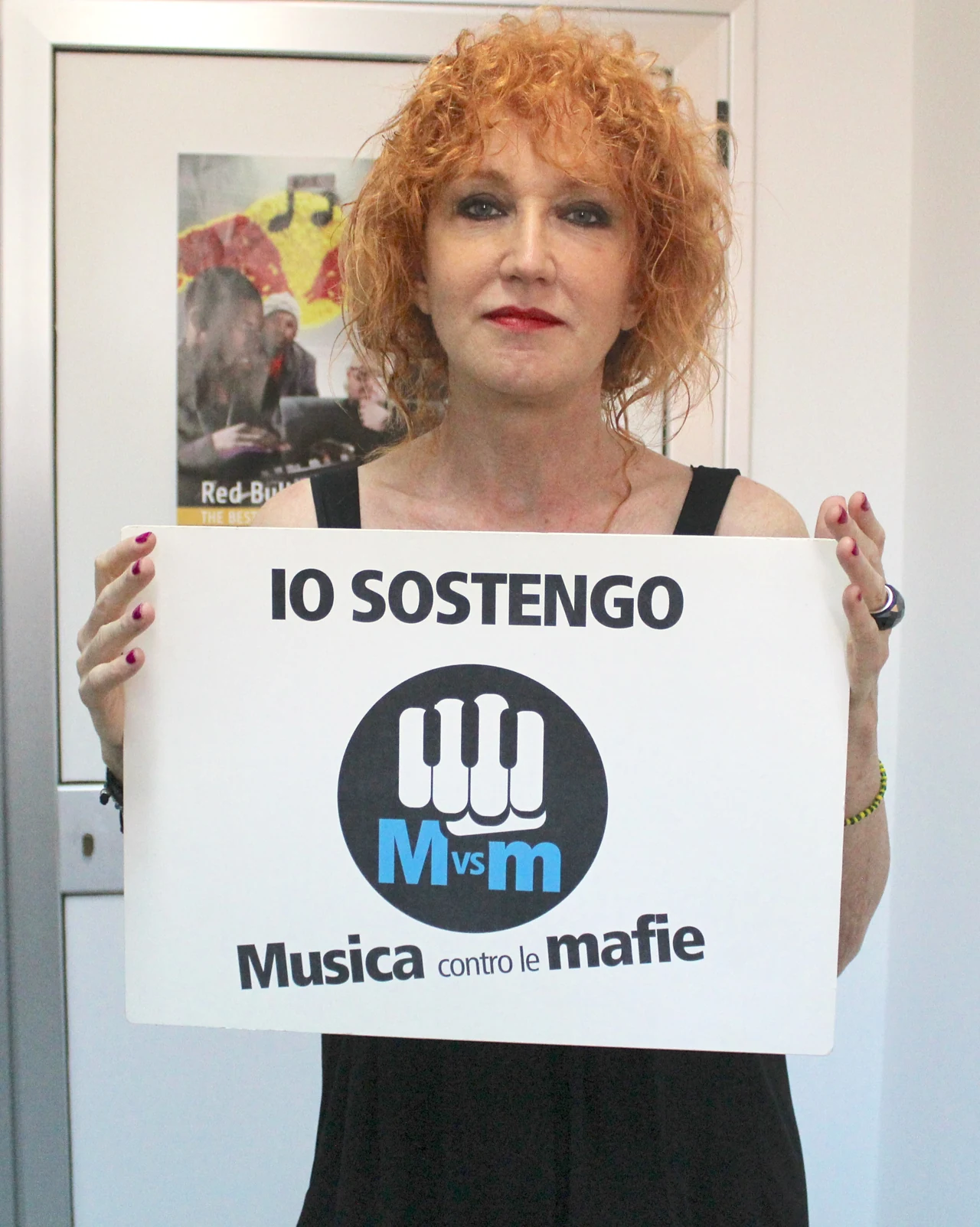
Fiorella Mannoia wants education about love and respect to have a place in school. The subject also runs through her work with Una Nessuna Centomila, the foundation she co-founded and serves as honorary president. Where do we begin? Perhaps with what happens every day, in our chats and beyond them.
Put the word love beside the word school and it can feel enormous. We might picture an extra subject, a lesson with chairs in a circle, someone telling young people how they should feel. Yet a daily gesture offers a starting point: a photograph shared in a chat without the permission of the person in it. Whoever forwards it is having fun; the person pictured might wish they could disappear.
The question becomes practical: can we stop before pressing “send”? And can we step in when someone in our own group does it?
Behind the stage, the work continues
Una Nessuna Centomila was established after the concert of the same name in 2022. Alongside Fiorella are fellow founders Giulia Minoli, president, and vice-presidents Celeste Costantino and Lella Palladino. Music is one of the languages the foundation uses to draw attention to violence against women, support anti-violence centres and promote relationship education.
The transition from a major event to daily work matters. A concert gathers people and resources; a centre accompanies women as they find a way out of violence. Different commitments can support one another.
For the 2026 edition, the official announcement specifies that proceeds after costs are to go to the centres and provides for reporting on the funds. It helps explain how the fundraising works: behind a charity evening are organisational choices and responsibilities that continue after the final applause.
Source: fiorellamannoiaVEVO ↗
What relationship education means in practice
UNICEF Italy places relationship education within mutual respect, equality, consent and individual rights. It also stresses an essential condition: language and content must suit children’s ages and development.
It would make little sense to speak in the same way to a primary-school child and a seventeen-year-old. With the younger child, a starting point might be the right to refuse a hug without being scolded for being “difficult”. With a teenager, the conversation could address demands for a phone password, pressure to send a photo or the right to have friendships of their own.
These are everyday examples, not incidents attributed to a foundation project. They help give substance to respect: another person’s body, time and relationships do not become ours to claim simply because we love them.
Accepting a boundary can be uncomfortable. There may be disappointment, anger or embarrassment. Learning to recognise those emotions at least makes it possible to discuss them, rather than expecting someone else to soothe them by doing what we ask.
Adults have something to learn too
Adults bring their own habits into this conversation. A parent may tell a child not to humiliate a classmate, then ridicule someone during an argument. A teacher may call for respect for differences, then dismiss a complaint with a joke about what girls are like.
There is no need to pretend to be perfect. It may teach more to return to something we said and correct it: “I made fun of you. I was wrong.” A clear apology gives the person receiving it time to respond. It need not immediately become a request for forgiveness.
This is where the conversation leaves the classroom and reaches the dinner table, changing rooms and parents’ chats. If we ask young people to speak more respectfully, we need to offer language they can hear from us too.
Research joins the conversation
The foundation’s work also reaches universities. On 4 March 2026, Sapienza University of Rome hosted the presentation of its agreement with Una Nessuna Centomila for training and research on respect, gender discrimination and violence against women. Mannoia took part in the event.
This development brings together different kinds of expertise: the experience of those working with women, academic research and artists’ ability to reach a wide audience. Popularity can open a door; building a programme then requires trained people, continuity and a willingness to assess the work.
Where a school can begin
Una Nessuna Centomila has a page for interested schools: applicants complete a questionnaire and the foundation contacts them to agree the next steps. It is an initial point of contact from which to learn about the proposal and how it works.
For teachers and families, it offers a chance to ask specific questions. Who leads the sessions? How are they adapted to pupils’ ages? What room is there for doubts and questions? How does the work fit into classroom life? Finding out makes for a more useful discussion than exchanging slogans.
A single meeting cannot solve violence. It can form part of sustained attention: hearing a confidence without ridicule, recognising pressure, asking a trained adult for help. A person experiencing abuse remains free of responsibility for the choices of the person harming them.
Fiorella’s voice can bring a conversation that began with a song this far. Then it is our turn. Perhaps with a simple question for a child or friend, and enough time to hear the answer: in your relationships, do you feel free to say what you think?
SOURCES AND FURTHER READING
- Corriere della Sera — intervista.
- Una Nessuna Centomila — missione, fondatrici e destinazione dei proventi dell’evento 2026.
- UNICEF Italy — pari opportunità ed educazione alle relazioni.
- Sapienza Università di Roma — accordo con la fondazione, 4 march 2026.
- Una Nessuna Centomila — contatto per i percorsi nelle scuole.