Yeman Crippa’s New York second place deserves a very long round of applause
Thirteen seconds behind the winner, after racing at the front until the closing stages. Italy’s marathon podium tells a story of talent, hard work and a family whose story deserves respect.
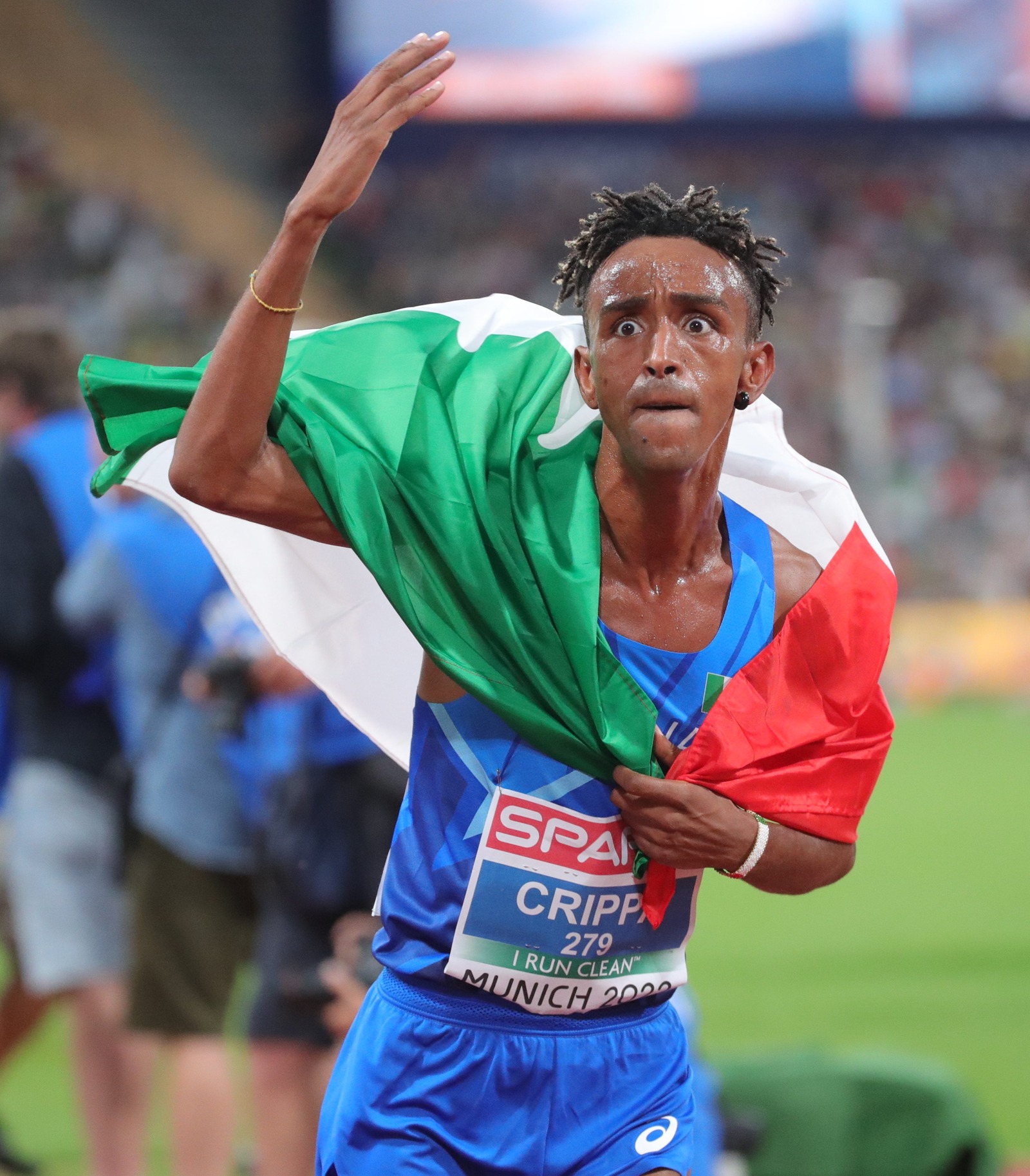
When we look at results, the temptation is to stop at the first line. Who won? What was the time? Today, let’s stay with the name immediately below: Yeman Crippa, second in the New York City Marathon on Sunday 1 November 2026. His time was 2:06:14, thirteen seconds behind Sweden’s Andreas Almgren.
The Italian athletics federation, FIDAL, describes Crippa challenging for victory into the closing stages. It is the best Italian placing in this race in thirty years. We can celebrate that without adding the unfair little word ‘unfortunately’ that so often accompanies second place.
In contention until the end
A marathon covers 42.195 kilometres. On paper, that is a distance; for a runner, it means managing effort, being patient and deciding when to follow and when to change pace. In New York, Crippa fought for a major victory, with the result decided only near the end.
Almgren finished in 2:06:01 on his marathon debut. Yeman’s podium remains an outstanding result. Measuring it only by the gap would erase everything before it: more than two hours at the front of one of the world’s best-known marathons.
That is why we like this second place. It lets us talk about sport without making every race a verdict on someone’s worth. Some performances deserve attention even when somebody else wins.
From Ethiopia to Trentino, a story bigger than a headline
Yeman was born in Ethiopia in 1996. In 2003 he was adopted by Roberto and Luisa Crippa, a Milanese couple, and grew up in Trentino. His sporting biography traces his journey from an Addis Ababa orphanage to life in Italy and his discovery of athletics.
It is a moving story, which is precisely why it should not become a ready-made fairy tale. Someone’s childhood is not an emotional scene to place before the finish-line footage. Adoption does not become valuable because a child later becomes a champion.
Its value was already there: in growing up with a family, going to school, feeling safe and discovering what you enjoy. That would remain true without a medal, or with a future far from running tracks and cameras.
An opportunity, followed by daily work
We often say that love changes lives. It is worth considering what that means in practice. A family offers continuity: someone who comes back, accompanies you and stays even when nothing remarkable happens. Trust often grows in ordinary days.
But Yeman’s sporting career is his own. The talent and work are his. Remembering the people beside him does not take away his achievement. Nor does a difficult childhood automatically produce strength or success. Pain can remain painful. His performance deserves recognition as the work of an outstanding athlete.
We can hold both truths together: admire the running and value the welcome. Thank the people who open a door and applaud the person who chooses his own path through it.
Applause without conditions
For those who see life through faith, welcoming someone also means recognising a person before knowing who they will become. Nobody needs to prove they are exceptional before being precious. A simple thought, but one that challenges many habits.
The same applies, on a smaller scale, to applauding an athlete. We can enjoy second place without asking him to redeem anything, represent every adoptive family or teach us a lesson. Crippa ran a magnificent marathon. That is already wonderful news.
Today, let’s stay with Yeman’s name, his time and the pleasure of seeing him so high in the results. Can you celebrate an achievement even when first place was so close?