TERESA FOUND GOD AMONG THE POTS AND PANS. WHAT ABOUT US?
The sauce starts sticking just as the phone rings. There is a cup to move, something in the sink, bread you forgot to take out. You had thought of taking a moment to pray. You will do it afterwards, when everything is sorted. But afterwards keeps changing its appointment.

Perhaps you imagine spiritual life as a room different from the one where you spend your days. Quieter, tidier, beautifully lit, with nobody asking where the scissors have gone. Meanwhile you are here. And it feels as though you always arrive before God with something still unfinished.
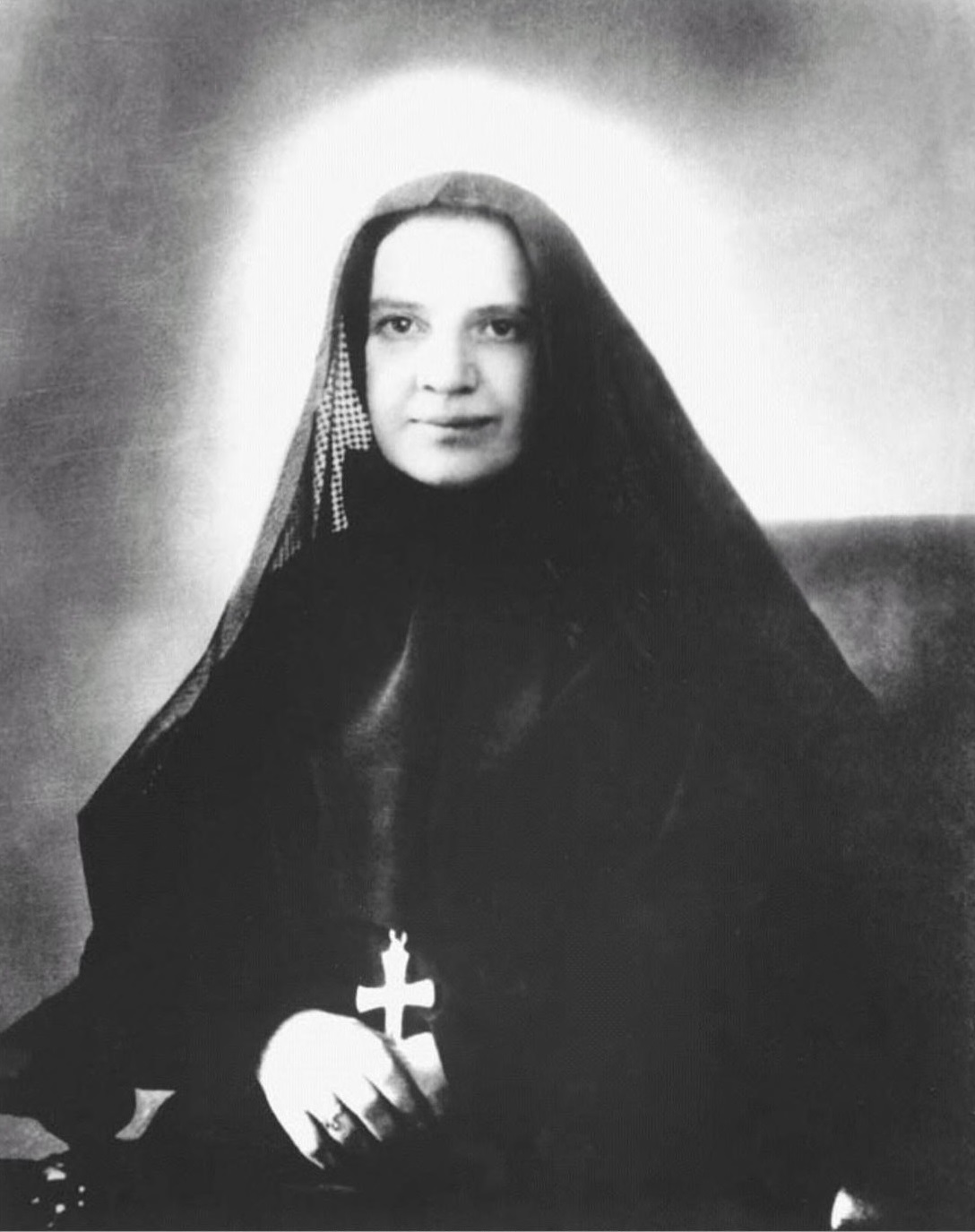
Teresa of Ávila left her nuns an image that fits this kitchen perfectly. In chapter five of The Book of Foundations, she recalls the Lord's presence even among the pots and pans. It is not a joke invented to make a saint appealing. It is her practical way of speaking about life with God within the tasks entrusted to a community.
A mystic who knew there were things to do
We often remember Teresa's inner experiences, her books and the famous castle of the dwelling places. Her passage about pots also reveals a woman attentive to the work necessary for a community to live. Somebody must prepare, organise and serve. Prayer passes through that reality.
Francis refers specifically to Foundations 5:8 in his message of 15 October 2014 for the Teresian Jubilee Year. His view of the saint holds together mystical experience, service and everyday responsibilities. Encountering God does not make her remote from people or their concerns.
Context matters: Teresa is writing for a religious community and also discussing obedience. We do not all live in a Carmel. Yet we can receive her question without automatically moving every monastery rule into our homes: where do we seek the Lord while doing what is genuinely needed?
A kitchen can become a place of attention
We grow so used to some actions that we stop noticing them. Washing an apple, putting a plate on the table, remembering that somebody cannot eat an ingredient. Care takes a very practical form and often passes unnoticed, even by the person offering it.
You can recognise its value without constantly feeling grateful or tender. Sometimes you enjoy cooking. At other times you are tired and wish dinner were waiting for you. No single one of these evenings tells the whole story of your love.
Prayer here can be simple: entrusting somebody to God while preparing something for them, giving thanks for food, asking for patience before a sharp reply. These are possibilities, not another programme to add to your list of domestic achievements.
Finding God in chores does not oblige you to do them all
This image would be misused if it became an elegant way of leaving the same person at the stove every time. The spiritual value of care also concerns everybody else's willingness to share it. It does not make an unquestionable division of labour fair.
You can ask for help. You can say you cannot prepare everything today. You can agree on turns and responsibilities without first proving that you are exhausted. A shared home includes people learning to notice the necessary work, not only its result on the table.
This reflection concerns women and men, people living with family and those living alone. Preparing yourself a meal with care has value too. The absence of somebody sitting opposite does not make your dinner less worthy of time and attention.
What about that quiet moment you wanted?
A simple agreement can help: I cook today, you tomorrow. Or tonight we pause together for ten minutes and the sink can wait. A home loses no dignity when its inhabitants find a little time to breathe and be with the Lord.
That quiet moment still matters. Teresa's passage does not invite us to fill every pause with activity or make time explicitly devoted to prayer unnecessary. We can be with God while working and also desire a moment to put down what we are holding.
Perhaps today it will be a few minutes after dinner. Perhaps you will need to ask someone at home to handle the rest. You can choose something sustainable without waiting for the evening when every cupboard is tidy and everybody has stopped needing something.
Catholic faith includes Mass and sacramental life; we do not replace them with chores. But we can stop imagining the rest of the week as an area where the Lord remains outside, waiting for us to become presentable at last.
When the phone stops ringing, perhaps the sauce will need a little water. Return to the pan. If you wish, say a word of your own to God. Then call someone to set the table. The Lord's closeness can find room in a real kitchen, with its mess and with people helping one another live there.