SAINT MARTIN DE PORRES, THE SAINT WHO LEARNED FROM A BARBER
A cape around your shoulders, a mirror in front of you, that question someone asks while dividing your hair into sections: how are you? Sometimes you answer quickly. Other times, unexpectedly, you talk about the job worrying you, a celebration you are looking forward to, your mother who no longer wants to go out. A place you enter to have your hair done can become surprisingly familiar.
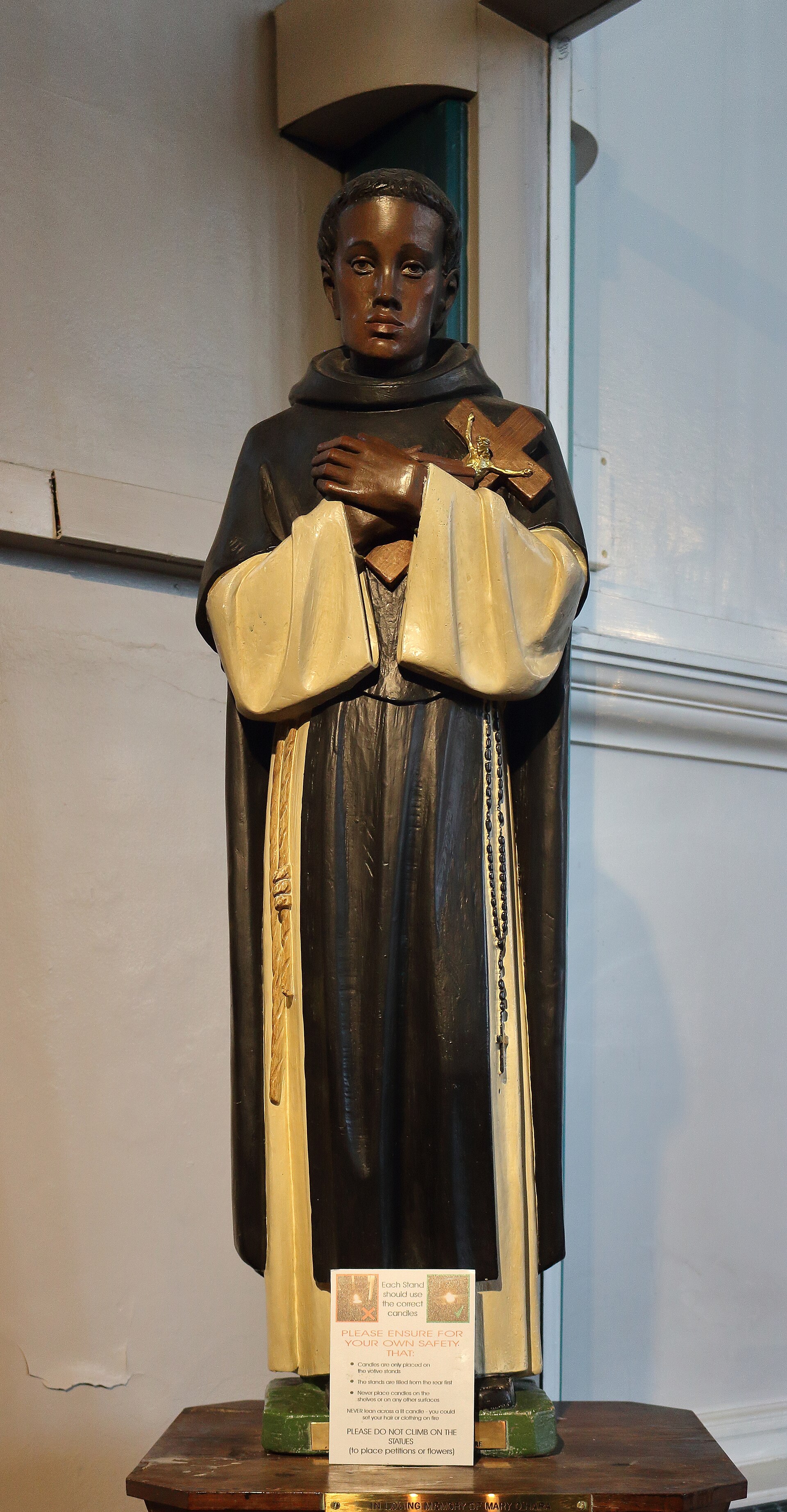
Perhaps that is why Saint Martin de Porres, patron saint of barbers and hairdressers, feels closer than we might imagine. Before becoming a name on the calendar for 3 November, he was a man who learned a trade. Something practical, requiring attention, practice and hands able to approach another person with care.
An apprenticeship that became care
Martin was born in Lima in 1579. The Dicastery for the Causes of Saints records that he acquired knowledge first in a pharmacy and then with a barber-surgeon, who also performed certain medical procedures at the time. As a Dominican religious brother, he used those skills to serve poor and sick people. That trade belonged to a different historical setting and should not be equated with today’s healthcare professions.
A simple detail matters here. Something he learned to do became a way of accompanying people. We can pause at that point without rushing through his entire life. It touches a question we often ask: does what I know how to do really help anybody?
Your work may seem small. The person receiving it notices
Perhaps you process paperwork, arrange shelves or clean rooms. Perhaps you bring plates to a table and nobody knows your name. Some days work feels like a sequence of tasks to finish before more arrive. Pay matters, tiredness matters, conditions matter. Speaking about holiness must never become an elegant way to ignore them.
Yet relationships pass through ordinary work too. You can explain a procedure to someone embarrassed about not understanding. Avoid laughing at a confused customer. Warn a colleague about a mistake before it becomes humiliating. Such choices do not require adding a second working day to the first.
They will not always be acknowledged. Sometimes the person in front of you will remain rude. That is frustrating; admitting it does not make your care less authentic. Care does not automatically produce gratitude. It does ask us to see a person when seeing only a form, an appointment or a number in a queue would be easier.
How we talk about someone’s appearance matters too. Someone may arrive wanting a new haircut while hiding deep insecurity. Asking what they want, listening before suggesting, avoiding comments about their body: these are practical professional courtesies. We do not know their whole story. We can at least let them share it, if they wish, on their terms.
A confidence is not material for the next customer
Addressing hairdressers on 29 April 2019, Pope Francis connected Martin’s example with professional kindness, encouragement and avoiding gossip. It was a concrete reminder for a trade in which many stories are heard.
We recognise it beyond the salon. The news you could share over coffee. The vulnerability that would make a conversation more interesting. The customer who has just left and already attracts everyone’s opinion. Keeping a confidence is quiet work: nobody applauds because nobody should know you had something to reveal.
It can be a serious expression of respect. Allowing someone to leave with their dignity intact, perhaps with a little more trust. Without feeling obliged to become their therapist or solve everything for them.
Availability needs limits
Offering careful service does not mean accepting humiliation, working unpaid under pressure or being reachable at every hour. Workers have lives, bodies, families and legitimate needs. Kindness can also say that today is fully booked, a behaviour is unacceptable or a request exceeds your competence.
The question Martin inspires is how to use what we have learned well. Sometimes that means helping. Sometimes it means directing someone to the right person instead of improvising an answer. Knowing we cannot do everything can make what we choose to do more dependable.
A question to take to work on 3 November
On his memorial, we can remember Saint Martin through a specific gesture of our trade. The first morning greeting. An appointment honoured. A patient explanation. A detail done properly even though nobody will check.
His story invites us to look for the good within reach of our hands. It may have the name of a skill we possess, a person we will meet or an attention we can choose to give.
Tomorrow, in front of a mirror or behind a desk, we might notice it. Someone will need precisely something we know how to do. Doing it with care will already be an encounter.