THE JOB WAS GOING WELL. HE WASN’T SO SURE.
Everyone says you are good at it. They give you more responsibility and assume you will stay. Recognition feels lovely. Then comes the question you struggle to place: if this work suits me so well, why do I keep imagining myself somewhere else?
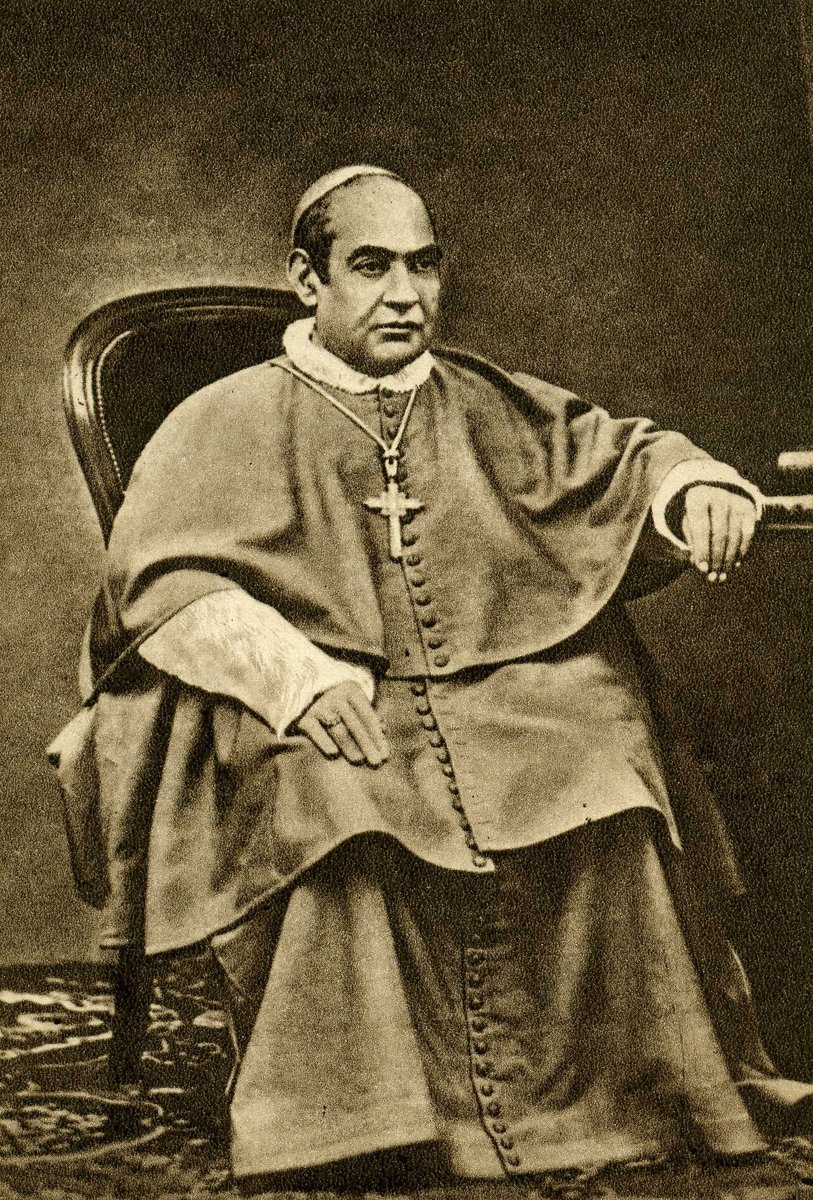
Saint Anthony Mary Claret, remembered on 24 October, also passed through this question: a trade learned properly and a future that seemed settled. Before the missions and Church responsibilities, there were fabrics, and a young man who knew how to work with them.
Before the saint, a young man at the looms
Anthony was born in 1807 in Sallent, Catalonia, into a textile-producing family. At seventeen he went to Barcelona to specialise. The Claretian Missionaries’ biography describes his commitment to work and study; he was not simply waiting for something better.
He was talented and was offered business opportunities. At the same time, the desire for priesthood returned. At twenty-two he entered the seminary in Vic. He also considered Carthusian life, although his path would become missionary.
His skills and opportunities were real. Yet he kept searching: what he could do had not answered everything he wanted to live.
Being capable does not mean being obliged
Perhaps you have become the person who always handles emergencies. Perhaps you studied what your family preferred, or took a job because you needed an income. Wanting something else can feel ungrateful.
Claret’s story is no invitation to despise ordinary work. Vocation belongs to more than priests and religious sisters. The Gospel can be lived behind a counter, in an office, in a laboratory or in a home full of people needing care.
His life leaves a question open: am I using my abilities well? What room do I want for faith, relationships and service? Sometimes change means a different profession. Sometimes it means boundaries, shared responsibilities or a different way of doing the same job.
Give a desire time to become clear
Before mentally handing in your notice, name your desire precisely. What would you like to do? What is missing? What preparation would you need? What can you try while keeping your existing commitments?
From a Catholic perspective, discerning a vocation includes prayer, conversation and testing an intuition in real life. A strong feeling is not automatically God’s voice. Fear of disappointing someone should not be your only adviser either.
You might speak with someone spiritually trustworthy and someone who knows the profession that interests you. Both conversations matter. Faith takes rent, children, training and available energy seriously.
A first step with your name on it
Perhaps today you do not have to decide your whole future. You could explore a course, ask a question or return to an unfinished project. You might also discover that you want to stay, with more humane conditions.
Anthony had learned a trade. That effort did not become wasted time when his direction changed. Your own abilities, encounters, mistakes and patience belong to your story too. You need not erase them to begin again.
Before asking whether a change would make an impressive story, ask whether it would be true: whether it would let you love and serve more freely. A vocation can begin with a quiet question, finally spoken without shame.
The video
Claret Joven: a Spanish-language video from iClaret, referenced in the official Claretian Missionaries’ biography.
Source: Source originale ↗