ELIZABETH LOVED CHOPIN. AND SHE SOUGHT GOD.
The score is still there. Or perhaps it is a box of paints, a camera, the notebook you wrote in before every day became urgent. You look at it and think: when I have time. Meanwhile, time always seems to have somewhere else to go.
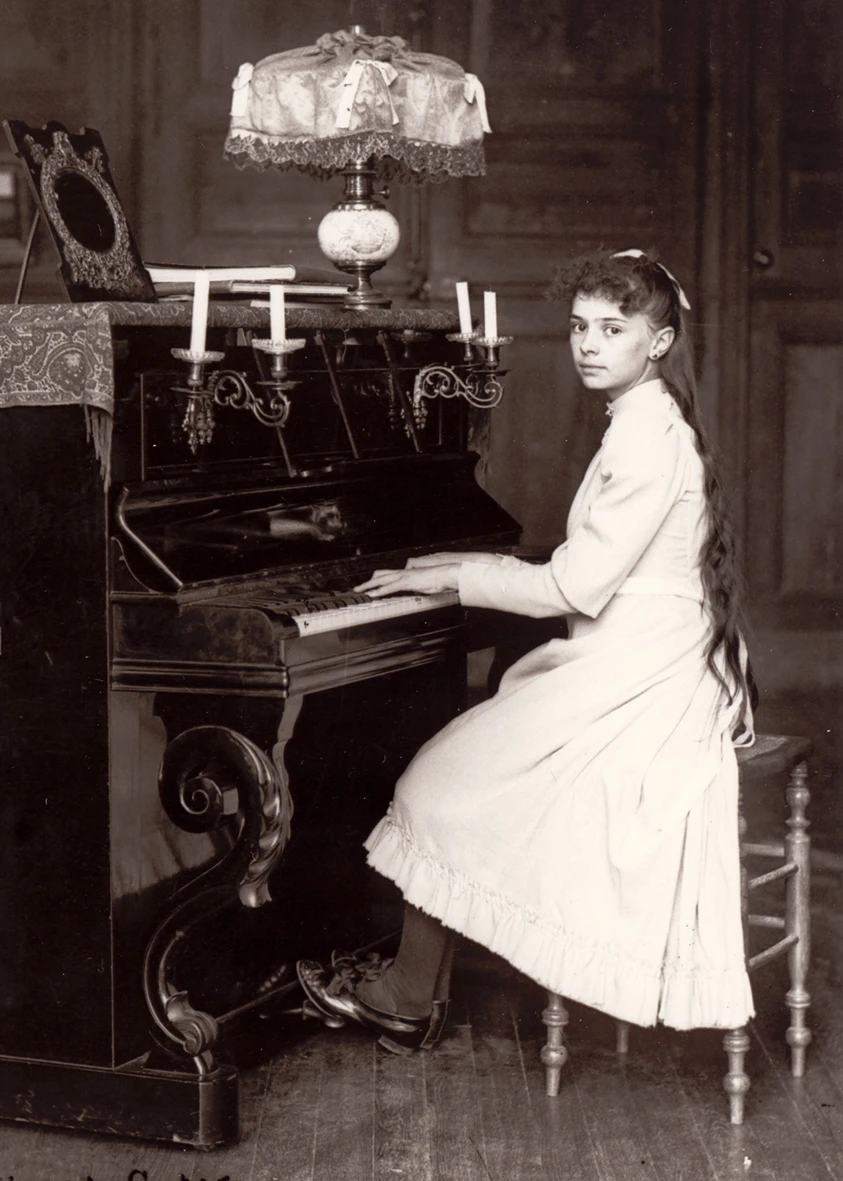
The story of Elizabeth of the Trinity can begin at a piano. Before the Carmelite habit, there was a young woman who studied music and enjoyed other people’s company. She had particular tastes: she loved Chopin. That small detail brings someone closer than a devotional picture can sometimes manage.
Elizabeth of the Trinity and the piano
The Dicastery for the Causes of Saints biography records her talent at the Dijon Conservatory and a first prize in piano. It also describes her years as a young laywoman, travelling, maintaining relationships and taking part in parish life, before entering Carmel in 1901.
These are our starting points. We do not know what she thought during every performance, and there is no reason to invent conversations with God while her fingers moved over the keys. We can encounter a real interest and let it raise a question: where do the things we love doing belong in our life of faith?
Perhaps you learned to treat them as a reward for finishing everything else. Have you completed your work? Replied to everyone? Tidied the house? Only then may you sit down, sing, read, begin again. That moment rarely arrives. When it does, you may be so tired that choosing a song feels like another assignment.
An interest does not have to become a career
Elizabeth’s piano belongs to her particular history and the vocation that led her to Carmel. Her life does not supply an identical rule for everybody. It can, however, challenge the assumption that spiritual life begins only when our humanity leaves the room.
Music involves the body, memory and patience. A difficult passage needs practice. Listening carefully to a note requires attention. Enjoyment can coexist with the work of learning. Even someone who has never studied an instrument may recognise this in sewing a hem, growing a plant or finding words for a letter.
This is our reflection, rather than a quotation from the saint: giving attention to something beautiful may help us become more present. That does not turn every activity automatically into prayer. It means we can bring pleasure, gratitude and the wish to do something carefully into our relationship with God.
Nor must we turn it into a profession. Your drawing can remain yours. You can sing in the kitchen. You can enjoy a course without becoming the best in the group. Not everything worthwhile needs to produce a result for other people to inspect.
God’s presence within a full day
In the Discalced Carmelites' account of Elizabeth and her writings, seeking God’s presence is central. Her Trinitarian spirituality concerns relationship with God, rather than merely finding a pleasant moment or a musical emotion.
Respecting that distinction matters. A moving concert and Christian faith are different experiences. They can nevertheless meet within a person’s life. We can listen to music and give thanks, notice somebody and pay attention, pray without erasing everything we were doing a minute earlier.
For someone with family responsibilities, work and a crowded day, the question becomes practical: is there a genuinely possible moment to return to something loved? Ten minutes is no sacred measurement. A free afternoon is no obligation. People begin from different circumstances, and some seasons leave very little room.
You might talk with the person sharing your life: I would like to return to that class on Saturday; tonight I would love to listen to a whole album. Making time sometimes requires agreement, a fairer sharing of tasks and willingness to make room for the other person’s interests too.
Open the score without a final examination
Perhaps you will discover that you are out of practice. Your hands may feel less certain; your voice may sound different. You do not need to regain everything in one evening. You can be the person you are today and revisit something meaningful without competing against an earlier version of yourself.
There is room for awkward beginnings. You can choose an easy piece, stop halfway through or laugh at a mistake. You can enjoy a familiar melody without recording it for anyone. The experience need not become a test of talent, discipline or personal worth. Being interested is already a reason to pay attention.
And if that interest no longer belongs to you? You are free to recognise it. Life changes our tastes too. You do not have to play to prove loyalty to yourself. You might want something else, or need rest above all. God does not assign a second shift of spiritual productivity after the working day.
If you like, choose a piece and listen with somebody. Ask what they heard and share the memory it brings you. The same music can open different conversations without making one response better than the other.
The young woman who loved Chopin gives us a concrete story to encounter. Then we return to our own music and decisions. Perhaps tonight you will open that score again. Perhaps you will simply listen to a piece and give thanks for the beauty you had a few minutes to receive.