IGNATIUS LOOKED AT THE STARS. WHEN DID YOU LAST LOOK UP?
You step onto the balcony to bring in a top from the washing line. Your phone is still in your hand and you are thinking about the reply you need to send. Then, for a moment, you look up. A little sky shows between the rooftops. One light, perhaps two. You realise you have been coming out here for days without stopping.
Nothing spectacular has happened. The day is still full of things to do. Yet that small movement, lifting your eyes, has changed where you are looking from. For a few seconds, you are more than a person caught inside a list of urgent tasks.
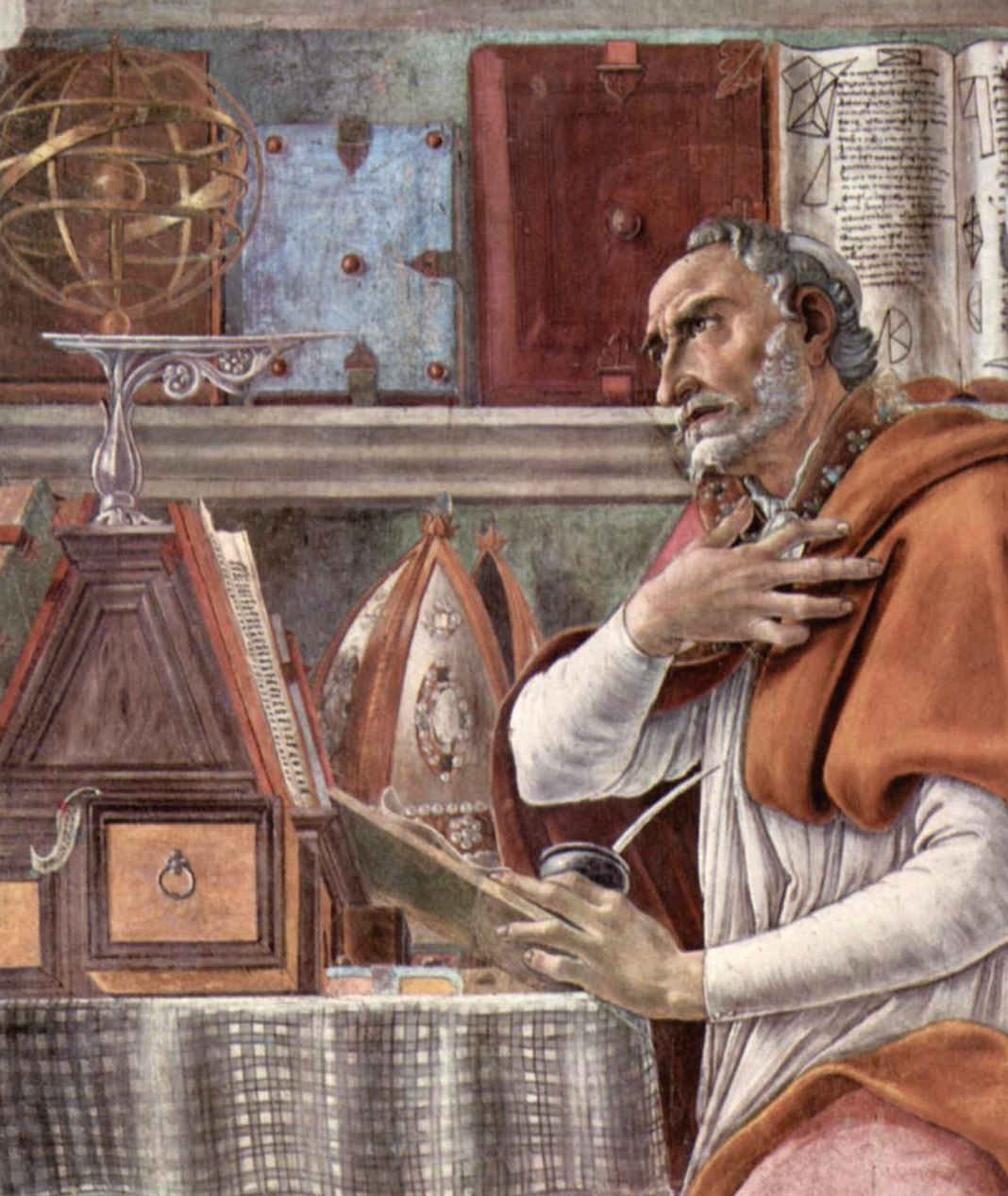
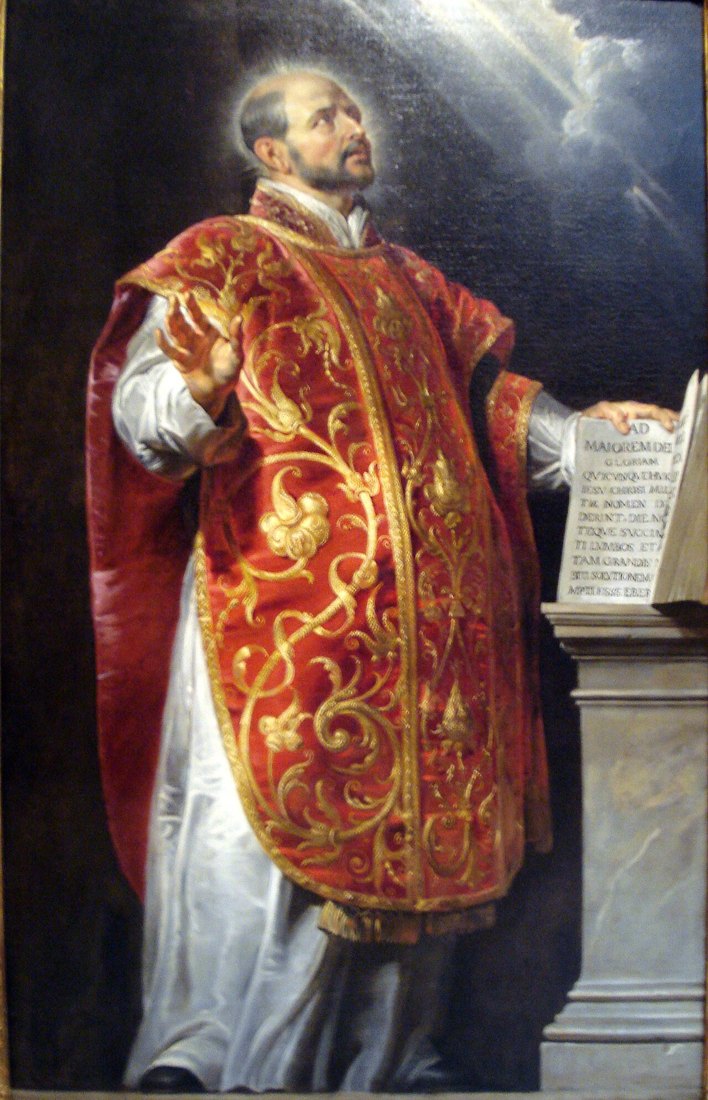
Ignatius of Loyola knew the pleasure of pausing before the sky. In section 11 of his Autobiography, describing himself in the third person, he recalls the consolation he found in contemplating the sky and the stars. That gaze nourished his desire to serve the Lord. A detail from his life, and closer to our own evenings than we might imagine.
Before the saint in the pictures, a man who looked
We may have a rather stern idea of Ignatius: a founder, rules, the Spiritual Exercises. Yet the Society of Jesus recalls that when he told his own story, he called himself the pilgrim. Someone on a journey before he became a name in our books.
The passage about the stars describes neither a supernatural apparition nor a hidden message in the heavens. It speaks of sustained attention, consolation and a desire to give his life to God. We do not need to add a miracle to make it interesting.
Its simplicity is precisely what touches us. A man stops to look at something he has not made, does not need to organise and does not need to justify as useful. From that experience comes a question about how to live. CHIARA!'s reflection starts here, without expecting every evening of ours to resemble his.
Beauty does not always have to be useful
We are used to asking every pause to produce a result. Will this walk do me good? Will this book improve me? Will these ten minutes make me more productive afterwards? Even free time can become another job to perform correctly.
Looking at the sky can simply remain a pleasure. Like listening to a song all the way through, following changing light on a wall or noticing that the tree outside has lost almost all its leaves. There is no need to turn everything into an exercise.
In Christian faith, creation points towards the Creator. That does not mean every detail contains a code revealing what God has decided for you. You can receive beauty, give thanks and let it ask you questions, even without finding an immediate answer.
What if you cannot see a single star tonight?
City skies can be difficult to see. There are streetlights, lit windows and clouds. We do not all have a quiet balcony or the chance to go outside at night. Ignatius's account need not become another reason to think other people are better at spiritual life.
Begin with what you actually encounter. A stretch of road in morning light. The colour of the sky before rain. A plant you have watched growing on a windowsill. You are not trying to manufacture a religious feeling. You are giving attention to something you usually hurry past.
Perhaps you will feel nothing special. That is possible. Wonder cannot be ordered, and prayer is not measured by how moved we feel. If all you can recognise today is that you are tired, you can bring that honesty to God too.
From looking to one small question
In Ignatius's account, contemplation is connected with a desire to serve. This makes his experience more than a beautiful view. The beauty he encounters does not shut him inside himself: it turns him towards God and a life he can offer.
A pause can leave us with a practical question too. What is receiving all my attention? Whom have I stopped really seeing because I think I know them already? What would I like to do more carefully, without adding another commitment to my diary?
You do not have to solve everything on the balcony. You can go inside, fold the top and send the message waiting for you. Perhaps you will first say thank you in your own words. Perhaps you will quietly hold what you felt. The sky will not have explained your life. For a moment, though, you will have remembered to live it with your eyes open.