A Christmas worth keeping, year after year
Decorations worth storing, everyday tableware and thoughtful presents: a practical celebration with fewer unnecessary purchases and less waste.
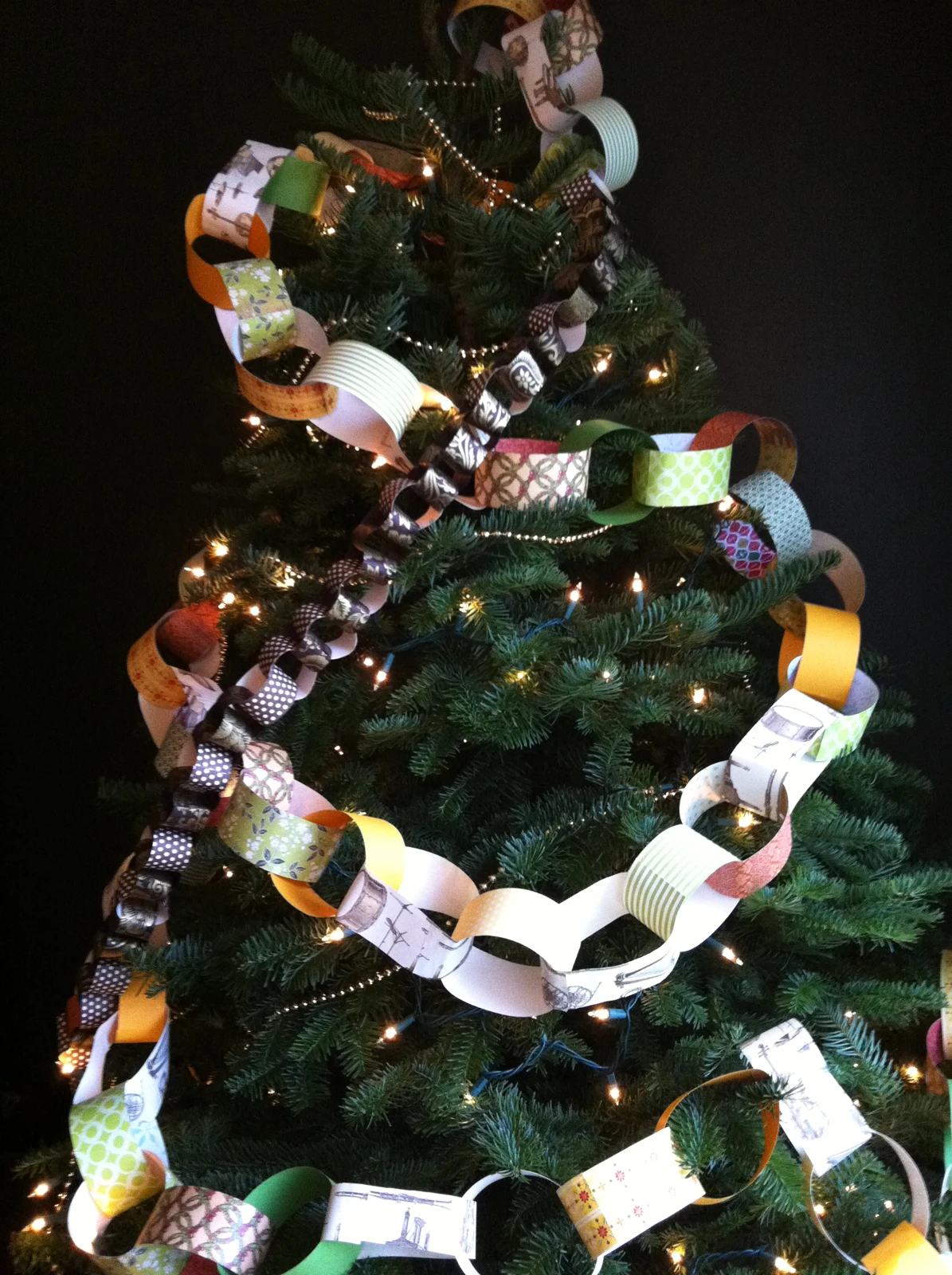
A more sustainable Christmas in 2026 begins by opening the decoration cupboard. Your tree, everyday plates and a washable tablecloth already provide the first part of the celebration. Start with those possessions and add what helps them work together. An inventory, a written menu and space for leftovers make the house ready to welcome people, including the moment when twelve guests arrive and you realise you have forgotten the bread. Good organisation gives the things you own another enjoyable Christmas.
Paper, fabric and glass: ready for next Christmas too
Paper has a place in 2026 Christmas collections, including IKEA's expanded VINTERFINT decoration selection. Choose pieces that fold away and plan their storage: an accordion star lies flat between two sheets of card, a garland rests along its box and a small paper tree returns to its protective sleeve. Give existing textiles and glass ornaments the same attention. Keeping decorations for another season begins with how you open, position and pack them during this one.
Before shopping, lay your decorations on a table and sort them into three groups: ready, repairable and ready to pass on. Keep only items you will use in the first group. A missing hanging thread belongs in the second; an unwanted but sound ornament belongs in the third. Damaged electrical components need competent attention. A ribbon or a patch of sticky tape does not make faulty wiring safe to use.
One room, three elements, a coherent result
Refresh your sitting room with a small scene: your existing tree, a bowl of ornaments that have lost their hooks and a textile repeating one of their colours. An old scarf can provide colour on a sideboard, away from heat sources, without being cut up. Repeating red, for example, helps ornaments from different years belong together. The arrangement feels deliberate because you repeat a choice rather than buy a completely matching new collection.

Measure the surface first. On a metre-long shelf, a central bowl and two smaller objects can provide enough rhythm while leaving room for cleaning and everyday use. Gather branches only where permitted and without harming plants. Do not remove moss from woodland for a domestic display. An uncovered tray or a cloth napkin you already own makes a perfectly workable base, with no need for a decorative layer simply because a photograph showed one.
A tree has a life beyond its label
If your artificial tree is sound, give it another Christmas. Check its stand, fittings and branches, clean it according to its instructions and store the pieces somewhere dry. For a first purchase, measure the available height, the footprint of the stand and the place where you will store it. Choose a design you expect to enjoy for years and check that assembly information is available. A well-sized tree is easier to keep: it fits the room, assembles comfortably and has a proper home when the holiday ends.
For a living potted tree, plan what happens afterwards: ask the nursery about suitable conditions for the species, its time indoors and where to place it after the holiday. For a cut tree, identify the local collection or processing route before buying. Keep parks and natural areas free of dumped trees and improvised planting. In a small home, decorate a plant already suited to the room, using a few lightweight decorations appropriate for the plant and its pot to make a simple festive corner.
Set a table that works in January too
For six people, use six everyday plates, sound glasses that need not match and cloth napkins. Fold each napkin in the same way and turn saved card into place names. A dedicated Christmas dinner service is not necessary to make the meal festive. If someone brings food on a dish they will take home, put a discreet name label underneath it. Returning the container should be part of the arrangement, not an afterthought once everybody has left.
Short of plates? Count what friends can lend before buying more, and check that you can wash and store the borrowed items safely. Agreeing a loan may be simpler than acquiring a dinner service for one meal. Reusable tableware works best when your organisation makes it easy: allocate a place for dirty items and a place for clean ones, rather than piling everything beside food waiting to be served.
Write the menu before buying the ingredients
List guests, courses and ingredients before shopping. Find out who is bringing dessert and include that contribution in the actual menu: three cakes are still three cakes at Christmas. Pick an ingredient that can serve more than one purpose, such as roast squash used as a side dish with a separately reserved portion for soup. Let the shopping follow the menu rather than allowing every supermarket promotion to add another course nobody planned to eat.
Prepare food-safe containers, labels and fridge space in advance. Handle perishable leftovers according to food-safety guidance on time and temperature and any instructions for the particular product. Food left on a table all evening does not become an appropriate gift just because you have spare containers. Offer modest first servings with seconds available. Food remaining in a serving dish is easier to organise than numerous unfinished individual plates.
A considered present has a particular recipient
Write a specific wish beside each person's name before shopping. For someone who enjoys repairing possessions, consider paying for a repair to a favourite object. For someone with little space, arrange an activity together. For a reader seeking a particular title, find a second-hand copy in excellent condition. Check completeness and describe the present's condition clearly. Add a note explaining the choice: finding the edition they wanted makes a straightforward purchase feel personal and shows that you remembered what matters to them.
For used toys, check age suitability, completeness, cleanliness and damage, retain instructions and warnings and check for product recalls. Before donating to a collection, ask what its organisers actually accept. Unusable contributions create work for the people trying to help. Experiences also need thought. Location, accessibility, booking arrangements and expiry dates matter just as much as the attractive idea on the front of the voucher.
After unwrapping, prepare for the next celebration
Before opening presents, put out one container for reusable boxes and another for ribbons and bags. Leave some labels nearby so anyone keeping packaging can note its next purpose. A sturdy box can hold photographs, a bag can gather small ornaments and a ribbon can return on another parcel. To finish your own gifts, use the cloth knots and other techniques in our reusable-wrapping guide: choose a shape suited to the object and support it securely while carrying it.
When packaging reaches the end of its useful life, separate its components and follow local collection instructions. A shiny surface alone does not identify a material. Read packaging information and distinguish plain paper from plastic coatings and metallic layers. Decorations are not automatically accepted in the same stream as packaging that looks similar. Electrical items require the appropriate dedicated collection route. These details vary between places, so check the rules where you live.
Make storage part of the design
Photograph a successful arrangement before dismantling it. Next year you will have a reference made specifically for your own home, including the shelf that is awkward to decorate and the ornaments that work together. Protect fragile pieces with suitable materials you already have, gather hooks and threads and label the outside of each box. Write down up to three repairs to complete before next December. That is more useful than an anonymous bag of half-broken decorations.
After the inventory, set a budget for what is missing and write a short list with the purpose and dimensions of each purchase. Need hanging thread for six ornaments? Buy that. Need a container for lunch you are taking to grandparents? Choose the right capacity and a design useful throughout the year. Include time in the plan too: repairing, washing and preparing together. The celebration takes shape as possessions find their place and guests find room to feel welcome in your home.
Keep exploring Christmas: Christmas with children: let’s make something of our own. Christmas nostalgia is back. Make it your own. Christmas trends 2026.
SOURCES AND FURTHER READING
Did this story touch your heart?
Psst… you’ll like this too!
Christmas tree 2026: three looks to bring home the magic!
Read the story ↗Share this story