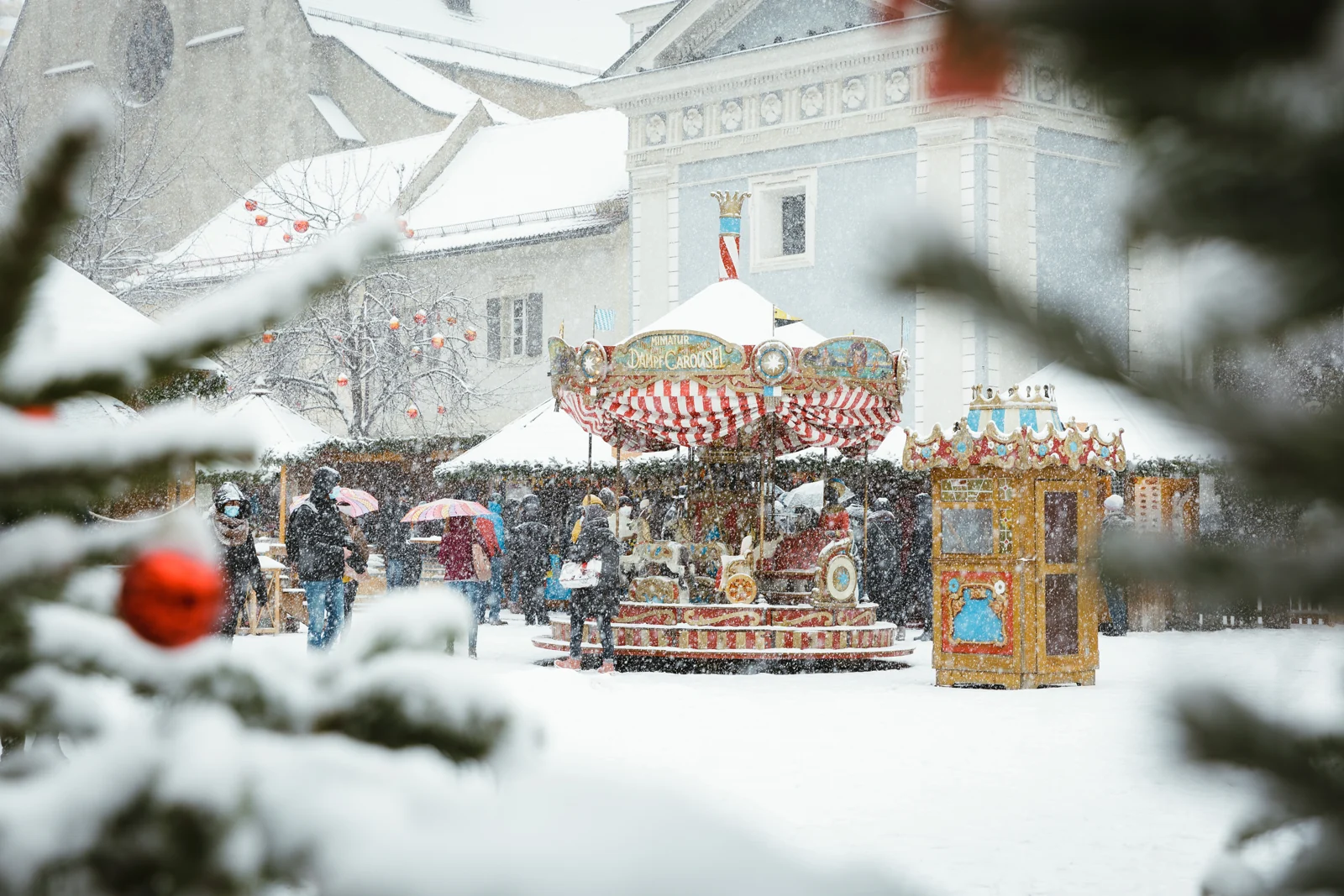
Christmas with children: let’s make something of our own
Paper chains, cards, a shoebox nativity and a family quiz: age-by-age activities with materials, timings and workable instructions.
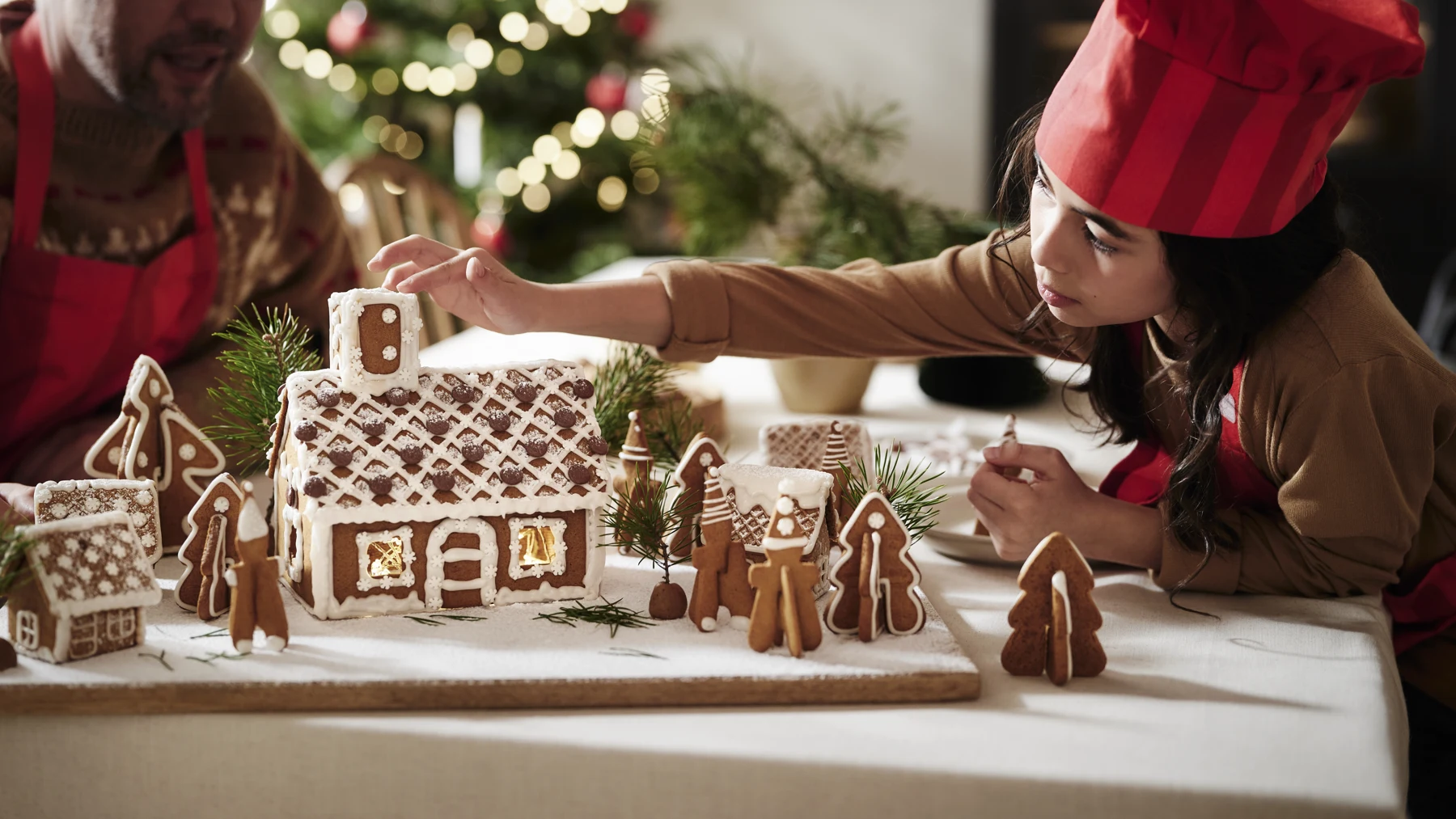
Paper, stories, a walk and a game with grandparents: prepare Christmas 2026 with children one activity at a time. Choose a project, set out its materials and let the result carry their signature, including the tree with all its decorations on one side. Half an hour and somewhere for the work to dry are enough to begin. These activities include suggested ages, quantities and timings: choose one that fits your day, then repeat it with new colours or characters whenever the family wants another go.
Paper, colour and hands at work
The 2026 Christmas collections give space to paper, playful objects and personal decorations. At home, these ingredients become a simple workshop: chains to assemble, cards to dedicate and small scenes to build. Familiar paper crafts provide a starting point for details that belong to your family. Give everyone a job: one person selects colours, another draws and another organises the finished pieces. The project begins to work as each participant finds a part they can enjoy, with room to change roles along the way.
Suggested ages indicate difficulty rather than replacing your knowledge of the individual child. An adult should remain present, prepare difficult cuts and select age-appropriate tools. Avoid beads, magnets, button batteries and detachable small parts where children could swallow them. You do not need real candles, hot glue or anything worn around the neck. When siblings of different ages join in, give them different jobs within the same project rather than asking the younger child to imitate the older one.
Set out a tray of possibilities
Gather paper used on one side, clean card, child-suitable glue, washable pens and appropriate scissors. Put out only what the chosen project requires. Protect the table and provide a container for scraps. Decide in advance where the finished work will dry: having to move a damp construction because dinner is ready is an excellent way for everybody to lose patience. Keep drinks and food separate from glue, paints and decorative materials throughout the activity.
Divide the time between preparation, making and tidying. A half-hour session might include five minutes to choose, twenty to make and five to put things away. These are planning suggestions, not targets children must meet. Shorten the session when attention fades and make it clear that finishing tomorrow is allowed. Adults can manage technical details without correcting every colour decision. A green snowman is perfectly capable of being festive, especially when its creator thinks it looks wonderful.
Ages 4–7: make a chain with a story
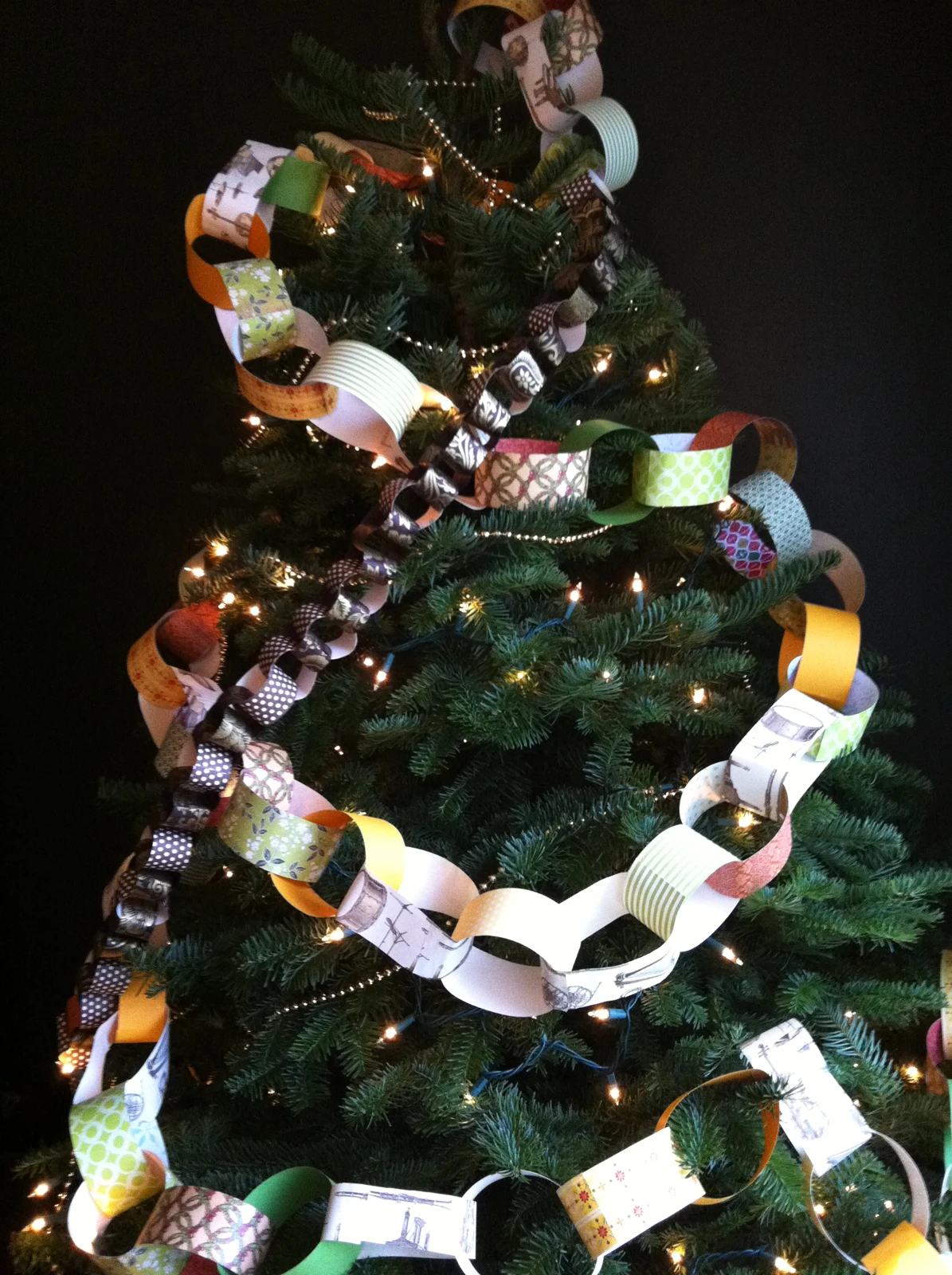
You need two sheets of coloured or recovered A4 paper, a ruler, pencil, scissors and glue. An adult prepares strips approximately three centimetres wide and twenty centimetres long. On each strip the child draws something they enjoy doing together: reading, cooking or calling a grandparent. Make the first strip into a ring, gluing a small overlap. Pass the second strip through that ring and close it. Continue until the chain suits the shelf where you intend to display it.
Allow twenty to thirty minutes and begin with eight links so the result arrives quickly. Let the glue dry before moving the chain. Place it on a surface or secure it somewhere safe, away from lights, heaters and routes through the room. It should not become a necklace or something dragged around in play. Older children can add a word in another language to each link: Christmas, Natale, Navidad. The decoration becomes a small story about your family as well as an object.
Ages 3–6: a card made from three large shapes
For each card, prepare a sheet of A4 paper folded in half, three large paper triangles and a rectangle for the trunk. The child arranges the triangles into a tree before gluing them down. Pens can add snow, coloured dots or a drawn star. Write the message the child dictates and read it back without making it more polished. Their particular way of saying things is precisely the detail somebody may want to keep long after the holiday.
Allow around fifteen to twenty minutes. If glue is unwelcome, draw three triangles together and colour directly on the card. Children who enjoy writing can add the recipient's name to a simple envelope. Give the card to a particular person rather than treating it as an obligation to make one for every relative. One heartfelt creation is more satisfying than fifteen duplicates produced while an adult keeps telling everyone to hurry up because there is still so much left to do.
Ages 6–10: a nativity scene inside a box
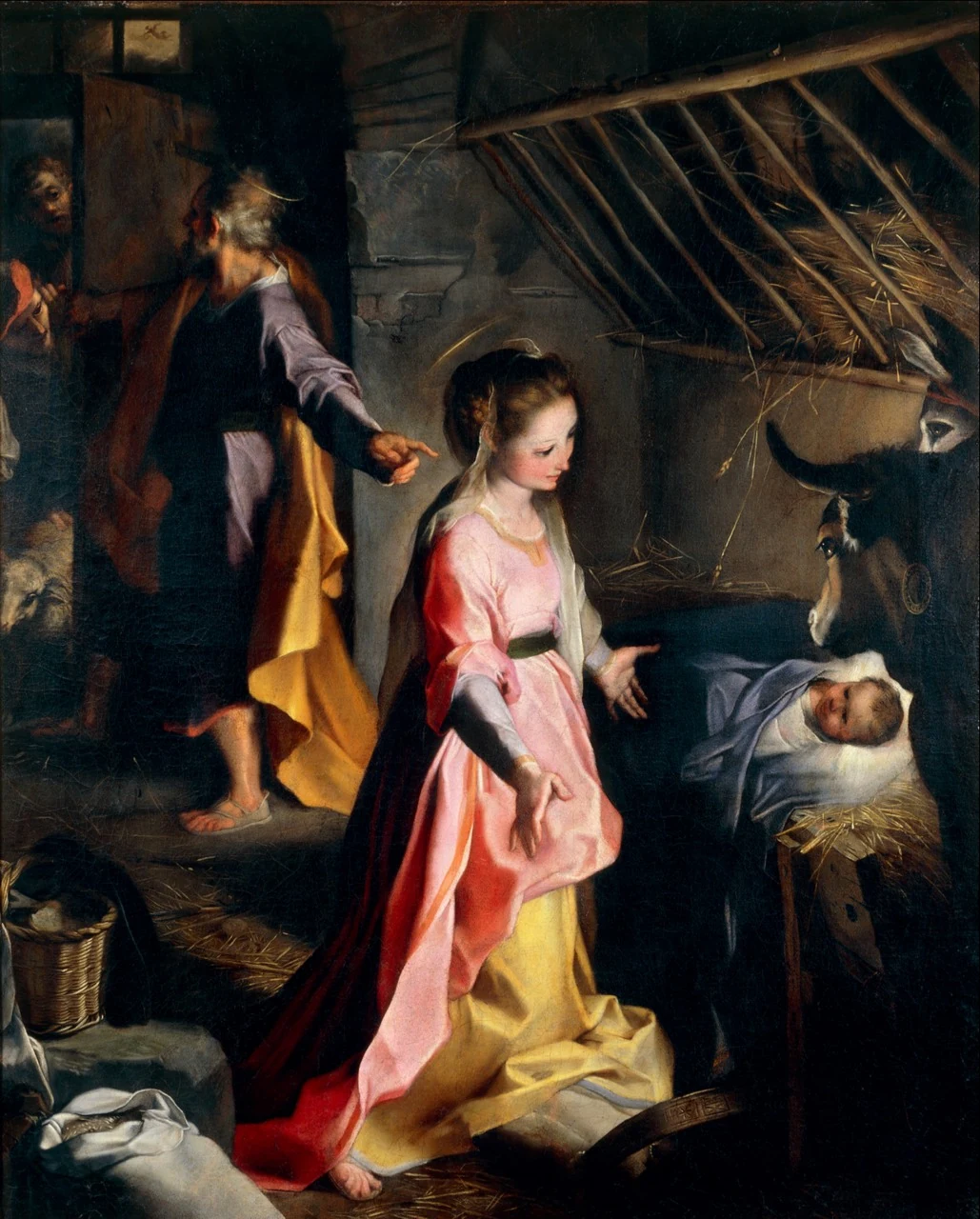
Use a clean shoebox, card, pencils, scissors and glue. The open box becomes the setting; draw a sky on its back. On card, create Mary, Joseph and Jesus in the manger, adding a shepherd or star if the child wishes. Leave a rectangular tab approximately two centimetres deep underneath each figure. Fold the tab backwards and glue it to the base so that the character can stand. Test the positions before fastening everything permanently into the scene.
Allow forty minutes or divide the work into two shorter sessions. Before gluing, arrange the figures and ask the child to describe the scene: Mary and Joseph beside Jesus, a shepherd approaching and a star in the sky. Add a background with pencils or pens and let the glue dry on a flat surface. For a second project, use another box to make a winter neighbourhood: the same folded tabs support house fronts, small trees and characters drawn and coloured by the children.
Ages 5 and up: a walk with five things to find
Draw five symbols on a sheet: a star, a red light, a shop window containing a book, a decorated doorway and a tree. Choose a short route you know, with suitable pavements and somewhere to stop. The child marks each discovery without racing against the clock. Twenty minutes can be enough and no shopping is required. Finish by choosing the detail you each liked best, rather than offering a purchased prize for completing the sheet.
Photograph displays where permitted, avoiding unnecessary photographs of identifiable strangers. Do not cross unsafely or enter private areas to complete the list. In rain, move the search indoors: a drawn star, a red object, a seasonal story and a memory somebody can tell. If you are visiting Milan, our separate free Christmas guide collects events and admission arrangements. Select a programme before leaving rather than assuming every festive attraction is free or that free admission never requires booking.
A story followed by a game
Look for Stick Man by Julia Donaldson and Axel Scheffler in your local library for shared reading from around age three. Its family and homecoming story provides a starting point for talking, drawing and imaginative play. Let the child choose the reading spot and turn the pages, then give each character a different voice. For Italian-speaking families, the book is published as Bastoncino by Emme Edizioni; the short stories in Giuditta Campello's È Natale! Storie di piccoli gesti gentili offer another shared-reading option.
After reading, choose a scene to draw or arrange three objects recalling the beginning, the problem and the ending. Independent readers can take a page or one character's lines; younger listeners can choose a gesture to act out during the story. To organise library borrowing, look up the title in the catalogue and reserve it under the service's conditions. Have a book from home ready too: your story time will always have something to read, even when a particular library copy is already on loan.
Ages 8 and up: the quiz grandparents can join
Each participant prepares three questions about their own Christmas experience: a song, a family dish or a school memory. Write the answer on the back to prevent disputes. An adult checks that children can understand the questions and nobody is required to share something private. Form mixed-age teams, award one point per answer and allow a clue. Fifteen minutes and a few pieces of paper are enough. No prize needs to be bought and no specialist knowledge is required.
Anyone who dislikes competing can read questions or keep score, and anyone who prefers to watch may do so. End by selecting something to repeat together, rather than declaring who knows the family best. Put the question cards and instructions in one box afterwards. Next year you can recover the game and add new questions. A tradition can begin with something people simply want to do again, without anybody having to call it a perfect Christmas or document every minute for an audience.
Keep exploring Christmas: A Christmas worth keeping, year after year. Christmas nostalgia is back. Make it your own. Christmas trends 2026.
SOURCES AND FURTHER READING
- IKEA — Winter celebrations2026
- Hallmark — Christmas trends2026
- British Council — Christmas craft ideas
- Giunti al Punto — Bastoncino, dati libro ed età
- Giunti al Punto — È Natale! Storie di piccoli gesti gentili
- Editorial Bruño — El hombre palo, edad y edición española
- Scholastic — Stick Man, English edition
Did this story touch your heart?
Share this story