WERE THERE REALLY THREE MAGI? THE GOSPEL DOESN’T SAY!
Three gifts, a house and a different route home. Matthew’s account holds a few surprises for our Nativity scenes.
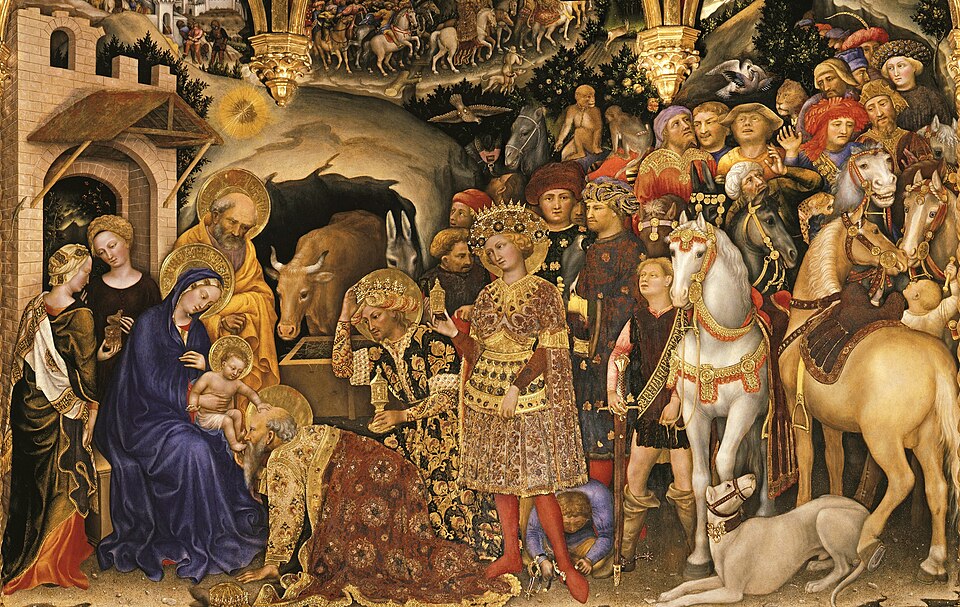
We line them up with crowns and camels. Yet Matthew chapter 2 describes Magi from the East without saying how many, calling them kings or giving their names. It is the gifts that number three: gold, frankincense and myrrh. A fine reason to reopen the Gospel!
A search that passes through Herod’s court
The Magi seek the king of the Jews and ask Herod in Jerusalem. Scripture points towards Bethlehem, while the star accompanies the story. Notes in the CEI Bible emphasise its messianic meaning, beyond astronomical theories.
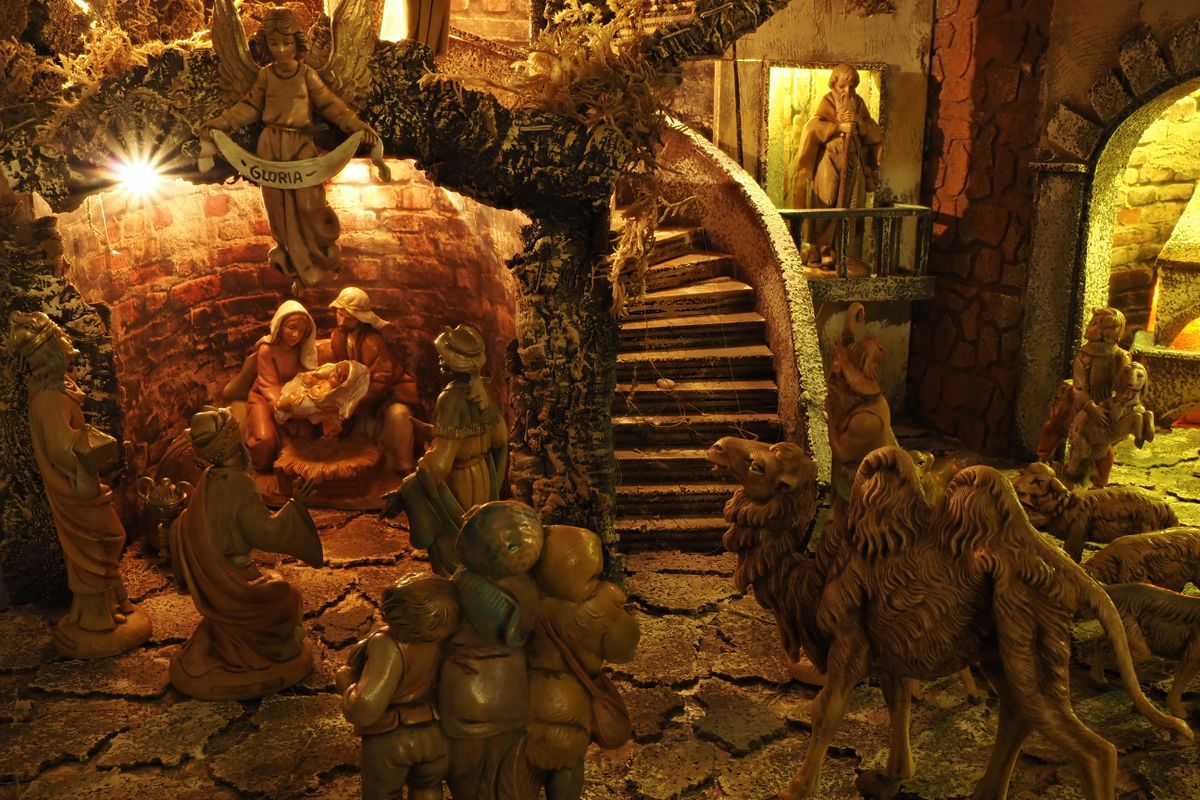
They find the child with Mary in a house. And the shepherds? They are absent from this scene: our Nativity sets combine Matthew’s and Luke’s accounts.
Taking another road home
Warned in a dream, the Magi avoid Herod and return another way. The narrative continues with the flight into Egypt and the king’s violence. These visitors’ journey also reveals a ruler afraid of a child.
For Christians, the foreign wise men represent those who come to faith from “far away”. Jesus revealed beyond the boundaries of his people: this is the heart of Epiphany.
A feast with different emphases
Epiphany means “manifestation”. In the West, 6 January centres on the Magi; in Eastern Churches, Jesus’s baptism and the manifestation of the Trinity hold a special place. Calendars and civil dates can differ.
In the Roman calendar, the Christmas season ends with the Baptism of the Lord. Check your diocese’s calendar for this year’s celebrations. Next time you set up the crib, enjoy spotting which details come from the Gospels and which from tradition!