CHRISTMAS: THERE IS MORE THAN ONE STORY IN THE NATIVITY SCENE!
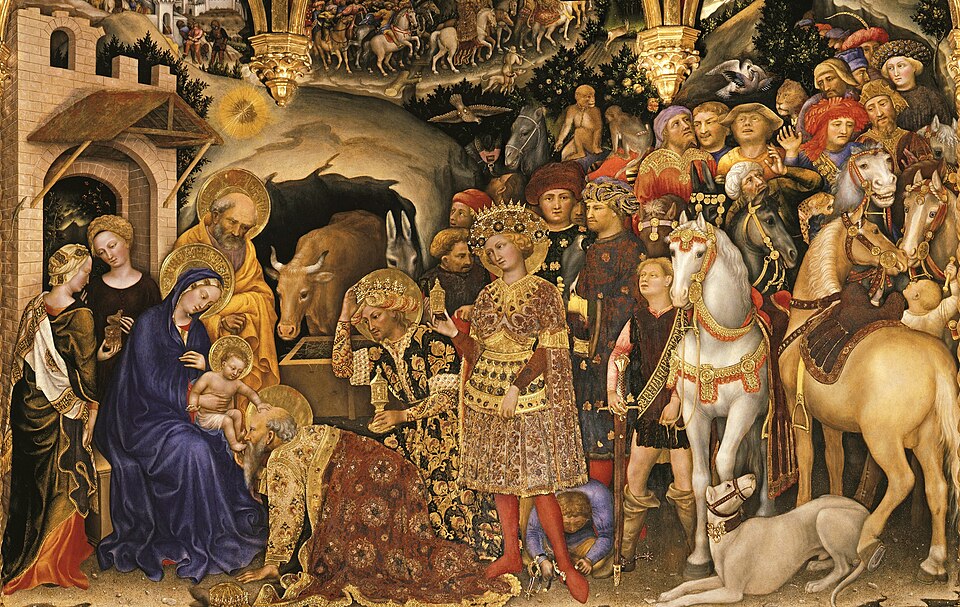
Shepherds and Magi meet in our cribs. In the Gospels, they come from two different stories waiting to be discovered.
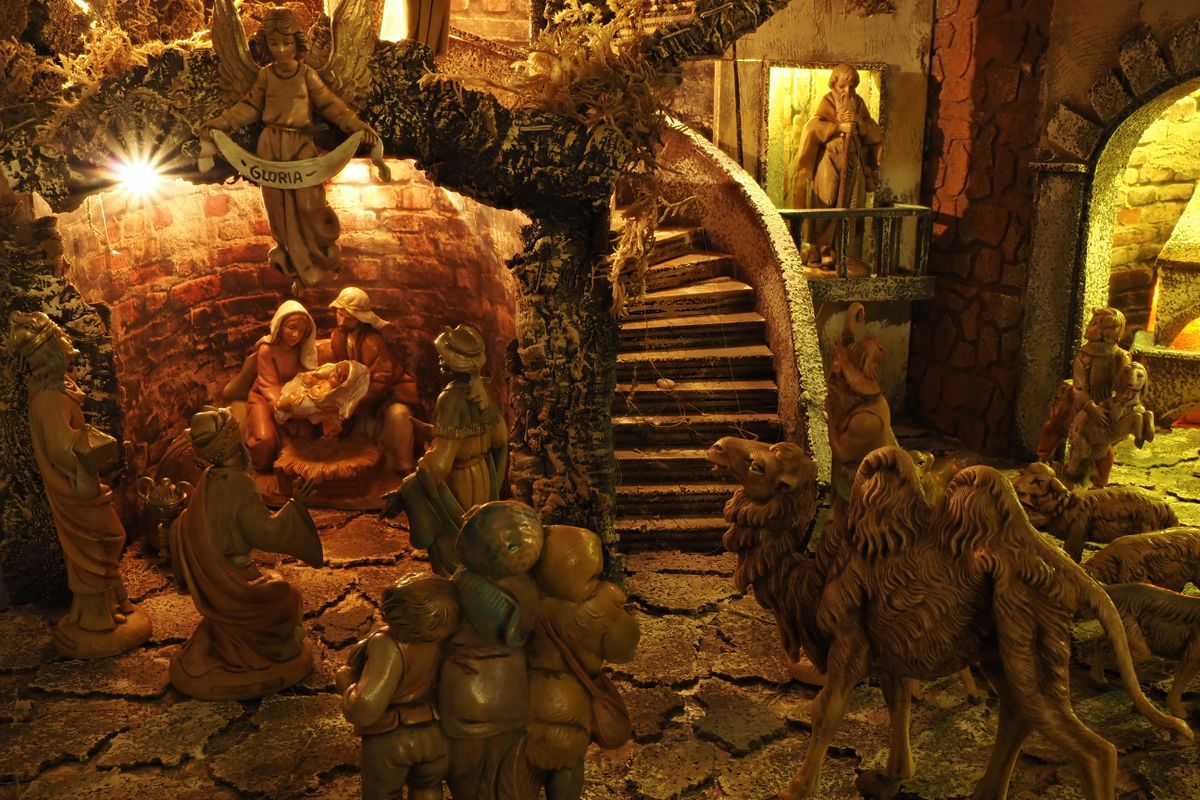
A shepherd beside a camel, a king approaching the manger: they look lovely together. But Luke tells of shepherds and Matthew of Magi. Tradition brings them into one scene. Separating the texts for a moment reveals fresh details.
Start with Luke
In chapter 2, the journey to Bethlehem is connected with the census. Jesus is wrapped in cloths and laid in a manger. Shepherds receive the announcement, hurry to see and recount what they heard. Mary treasures it all and reflects in her heart.
The ox and donkey? They are not named in that scene: they come through painters’ and artists’ traditions.
Then open Matthew
Here we find Herod, the Magi, the star and gifts. The visitors find the child in a house; danger and flight into Egypt follow. Another detail: CEI Bible notes explain that the calculation of the Christian era does not match Jesus’s historical birth year exactly.
25 December comes from the feast’s calendar
The Gospels give no day or month for Jesus’ birth. The 25 December feast is attested in 336, in a Rome where that date was also associated with the Unconquered Sun. The celebration has a long history, alongside the story of our Nativity scenes.
For Catholics, Christmas celebrates the incarnation: the Son of God truly becomes human.
Four Masses, four emphases
Vigil, night, dawn and day: each Mass has different readings and emphases. Check your parish programme if you wish to attend: “Midnight Mass” does not start at midnight everywhere.
As you arrange the crib, guess where each figure comes from: Luke, Matthew, tradition or an artist’s imagination? You will have another story to tell while setting it up.