We are bringing dessert! Three recipes for Christmas 2026
Panettone dessert glasses, spiced biscuits and orange-chocolate loaf: quantities, timings, full methods and a manageable preparation schedule.
For Christmas desserts in 2026, a useful direction is the meeting of familiar flavour and a different presentation. Panettone remains panettone and citrus still smells like celebration, but you can serve them in small glasses, with a bright sauce or in a box of homemade biscuits. These three complete recipes fit different plans: individual desserts without raw eggs, spiced biscuits for giving and an orange-and-chocolate loaf for a shared breakfast. Choose the one that suits your day rather than assuming you must make everything.
Panettone, citrus and chocolate: what is new to taste
Christmas 2026 brings new flavour combinations to pastry collections. Rinaldini offers citrus, fig–rum–tonka and Black Forest panettoni. Scarpato's Royal combines raspberries with white and dark chocolate. Festive desserts presented in Naples in November dress regional recipes in contemporary presentations. Traditional panettone and spiced biscuits keep their place at the table, joined by tart fruit, fragrant citrus and chocolate contrasts. For your own dessert tray, choose one familiar flavour and give it a bright companion.
Bring those contrasts into your own kitchen with three preparations for different moments of the day. The glasses finish lunch with layers of panettone, cream and berries; the biscuits travel with you on a visit, and the loaf waits for breakfast. Choose the recipe that fits your plans and set out the glasses, plates or gift boxes before you start. Arrange individual portions on a tray for guests to choose. Bright sauce, orange zest and a thin ribbon of icing bring the celebration to the table.
Panettone, ricotta and berry dessert glasses
For six glasses of approximately 150 ml, set out 240 g panettone, 250 g well-drained ricotta, 150 g plain Greek yoghurt, 35 g icing sugar, finely grated zest of half an unwaxed orange, 200 g mixed berries, 20 g granulated sugar and 30 ml water. You need a small saucepan, bowl, hand whisk and six glasses. Allow approximately 25 minutes of work, cooling time for the sauce and at least an hour in the refrigerator before serving the finished desserts.
Put berries, water and granulated sugar in the saucepan. Cook over moderate heat for 6–8 minutes, stirring until the fruit releases its juice and the sauce thickens slightly. If using frozen fruit, follow any cooking directions on its pack as well. Transfer the sauce into a shallow container so it cools promptly. Cut the panettone into roughly one-centimetre cubes. It does not need soaking: the cream and fruit sauce will already add moisture to the pieces in each glass.
Whisk ricotta, yoghurt, icing sugar and orange zest until smooth. Divide half the panettone between the glasses, add half the cream and a little cold sauce. Repeat, allowing the fruit colour to show through the sides. Cover and refrigerate at 4°C or below. Preferably make on the day of serving and eat within 24 hours. Add any decorative crumbs just before bringing the glasses to the table so they retain a little texture instead of absorbing moisture while standing overnight.
If your panettone already contains chocolate, use only a small spoonful of sauce in each layer and let the ricotta contrast take the lead. Pandoro can replace panettone by weight for somebody who dislikes candied fruit. This changes the taste, not the allergen profile into a guarantee: check the actual products for milk, egg and gluten where needed. Keep the desserts chilled until serving and do not leave perishable food at room temperature for more than two hours in total.
Spiced biscuits worth putting in a gift box
For about 30 small biscuits, use 250 g plain flour, 100 g cold cubed butter, 80 g fine light brown sugar, 50 g honey, one medium egg, two level teaspoons cinnamon, one level teaspoon ground ginger, 3 g baking powder and a pinch of salt. For a simple decoration, set aside 100 g icing sugar and approximately 15 ml water, added gradually. Allow 25 minutes of work, an hour of chilling and 12–14 minutes of baking for each tray you prepare.
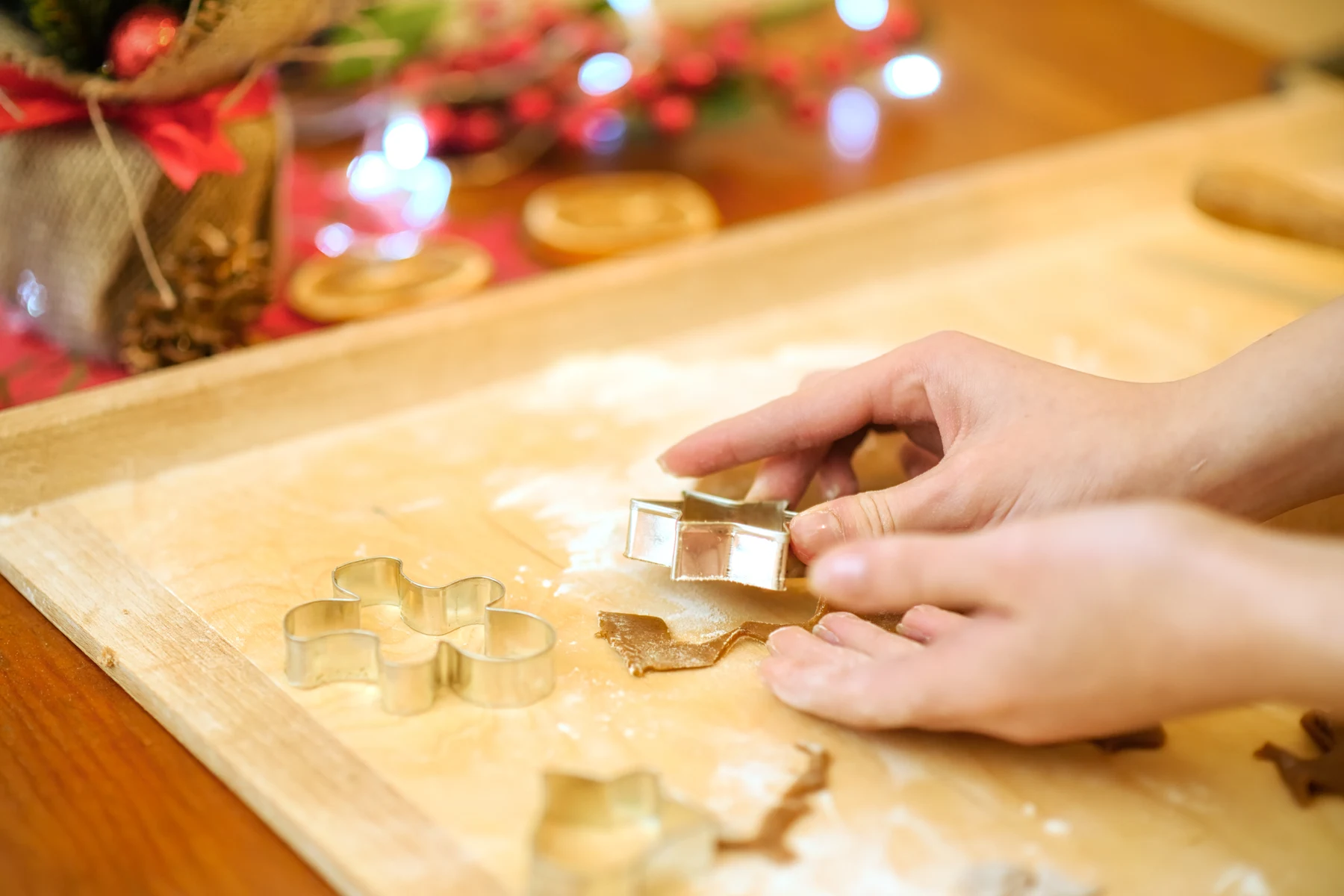
Mix flour, baking powder, spices and salt. Rub in the butter quickly until the mixture resembles crumbs, then add sugar, honey and egg. Bring together without prolonged kneading, form a disc, cover and chill for an hour. Roll between sheets of baking parchment to approximately 4 mm. Cut stars or circles about 5–6 cm across and place on a lined tray with space between them. Bring the scraps together once, avoiding generous handfuls of extra flour that make the final biscuits drier.
Bake in a preheated conventional oven at 170°C for 12–14 minutes, checking for lightly coloured edges. Very small shapes bake more quickly, so keep similar sizes on the same tray. Leave on the tray for five minutes, then move onto a rack. Add water to the icing sugar a few drops at a time until the icing falls slowly from a spoon. Decorate only completely cold biscuits and allow the icing to dry before packing them together in their gift box.
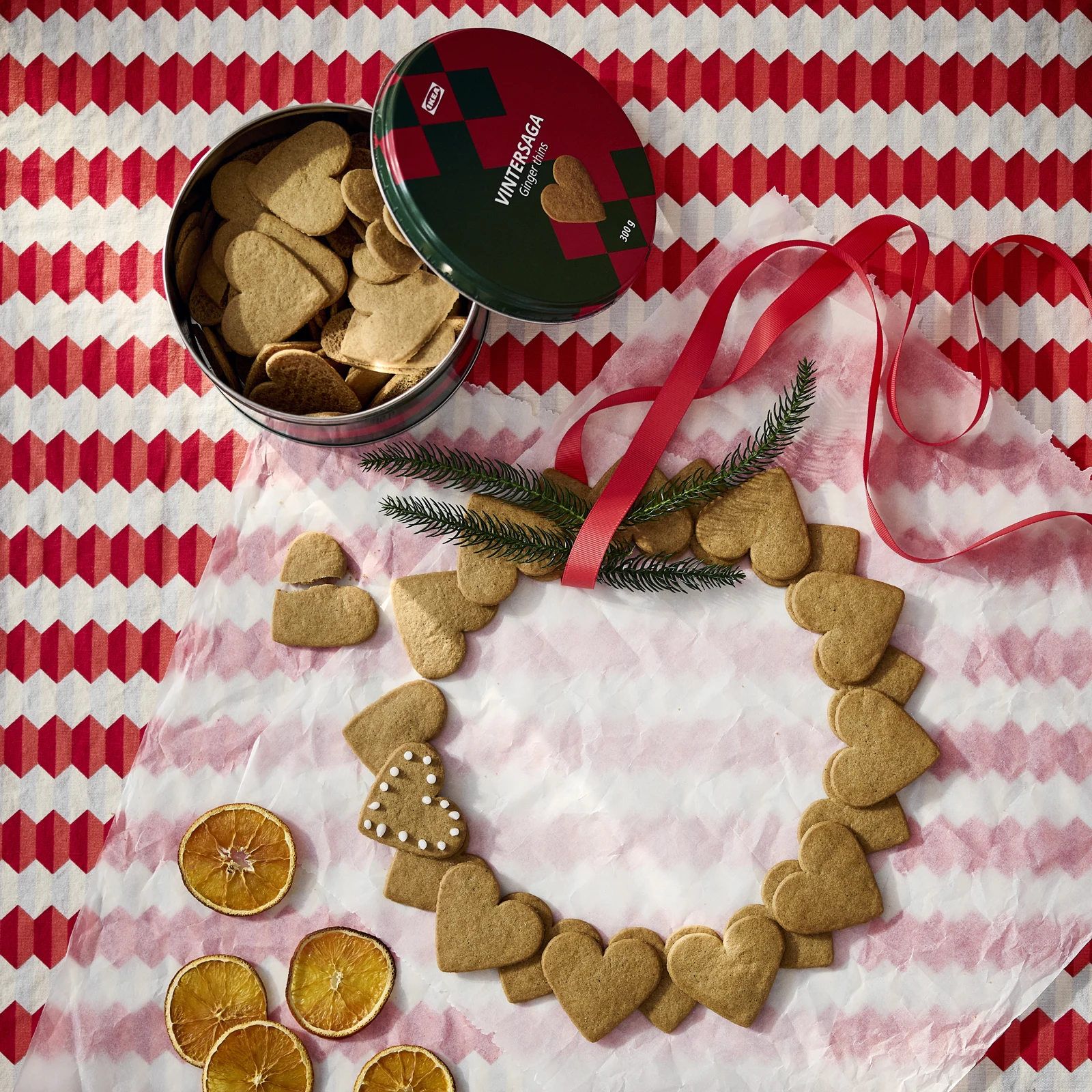
Put six biscuits in a clean food-safe box lined with suitable paper. Write the ingredients and preparation date, and suggest enjoying them within a few days for the best texture. A reused ribbon belongs outside the food packaging. Do not scent the paper with household fragrances or essential oils. A favourite shape and a personal written message are already enough to turn an ordinary box into a thoughtful present. Keep the decoration simple enough that making several boxes remains a pleasure rather than a deadline.
An orange-and-chocolate loaf for eight slices
For a tin approximately 20 × 10 cm, use 180 g plain flour, 40 g ground almonds, 110 g sugar, 100 g softened butter, two medium eggs, 80 ml milk, 70 g chopped dark chocolate, 8 g baking powder, finely grated zest of one unwaxed orange and a pinch of salt. Preparation takes approximately 20 minutes; baking takes around 45–50 minutes. Line the tin with baking parchment and heat a conventional oven to 170°C before you begin combining the mixture.
Beat butter and sugar until creamy, add the eggs one at a time, then the zest. Combine the flours, baking powder and salt separately. Add to the butter mixture alternately with the milk, mixing only until combined. Fold in chocolate, transfer to the tin and level. Bake on the middle shelf, checking from 40 minutes with a skewer inserted away from a piece of chocolate: it should emerge without raw batter. Loosely shield the top with foil if it becomes too dark before the centre is ready.
Cool in the tin for 15 minutes, then finish cooling on a rack. Serve moderate slices with a little freshly grated orange zest. A long plate, a few biscuits beside it and a cloth napkin make a festive presentation without inserting non-edible decorations into the cake. Keep covered in a cool, dry place and enjoy within three days. For advance preparation, freeze well-wrapped slices after they have cooled completely, so you can take out just the number you want to serve.
Keep the oven and the day manageable
Make the biscuits and loaf the day before, if that suits your plans. Prepare berry sauce and cream in the morning, assemble the glasses and refrigerate promptly. Before serving, arrange the plates, check ingredient information with guests who need it and bring out only the portions being eaten. The desserts need not arrive all at once. Sharing them at different moments gives Christmas room to breathe, with something good prepared and time left to sit down with the people who came to enjoy it.
Keep exploring Christmas: Christmas looks good at your table!. We can make that Christmas centrepiece ourselves!. Christmas trends 2026.
SOURCES AND FURTHER READING
Did this story touch your heart?
Share this story