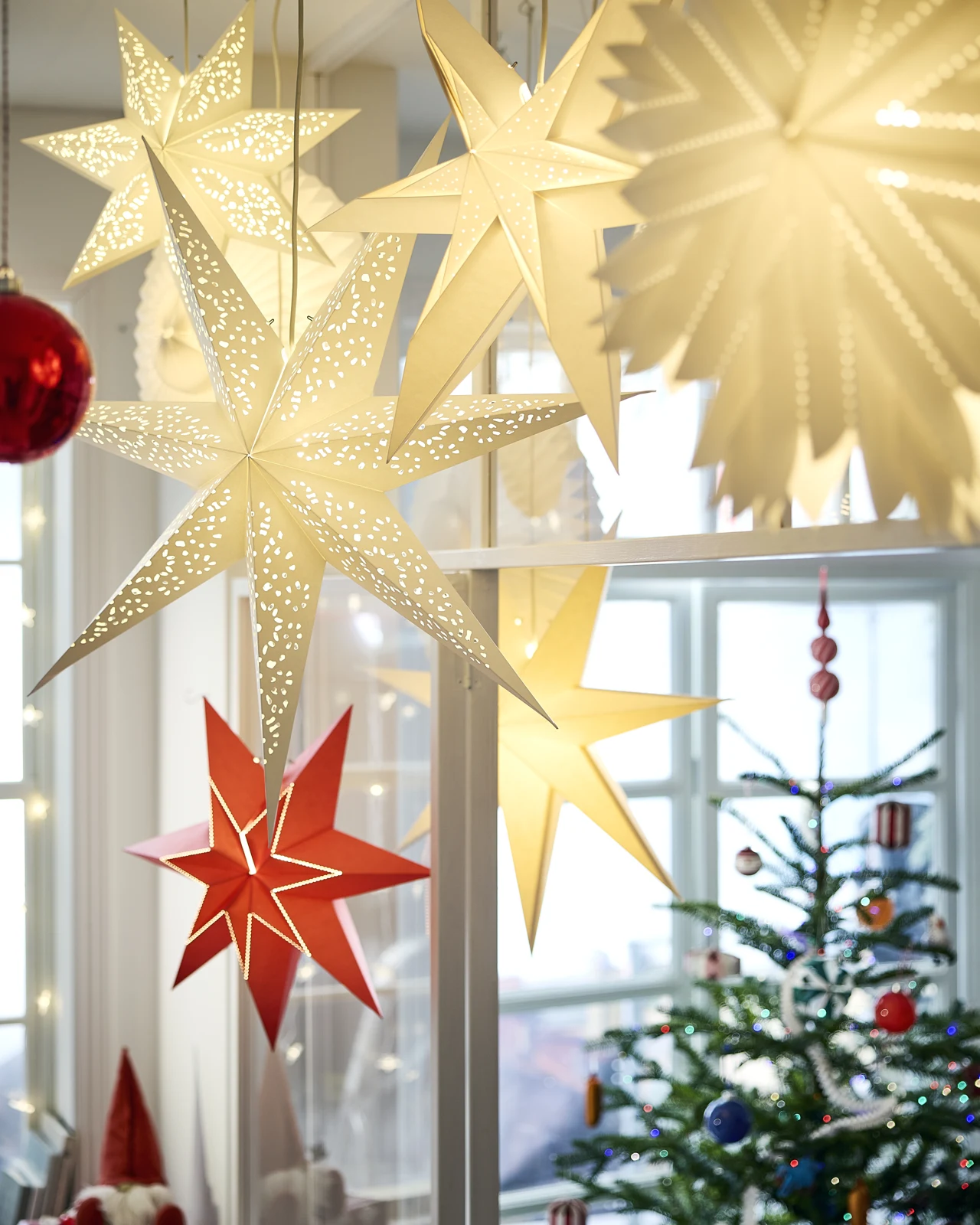
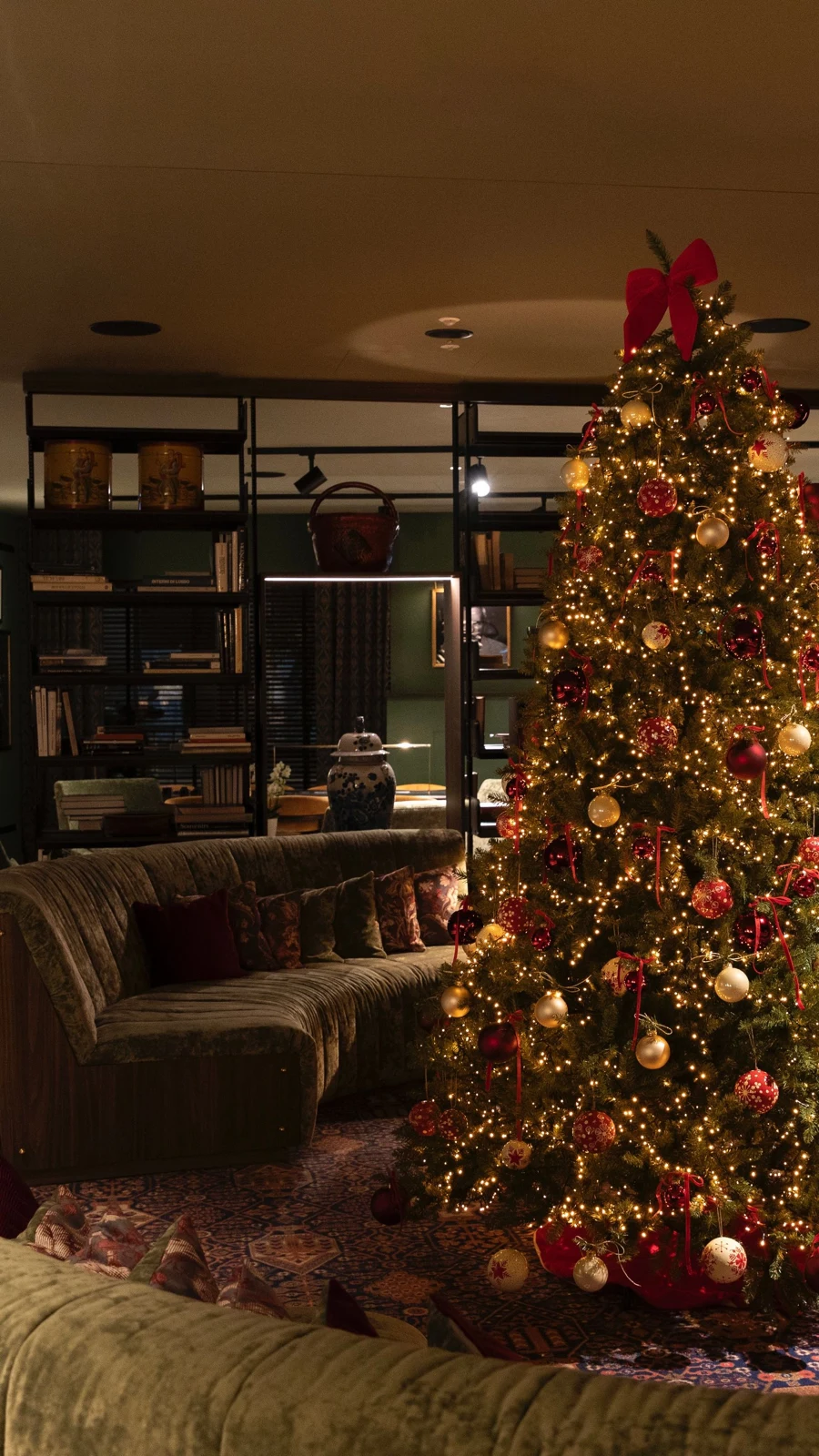
Christmas looks good at your table!
Three complete arrangements: cheerful stripes, natural greens and family china, with room for the meal too.
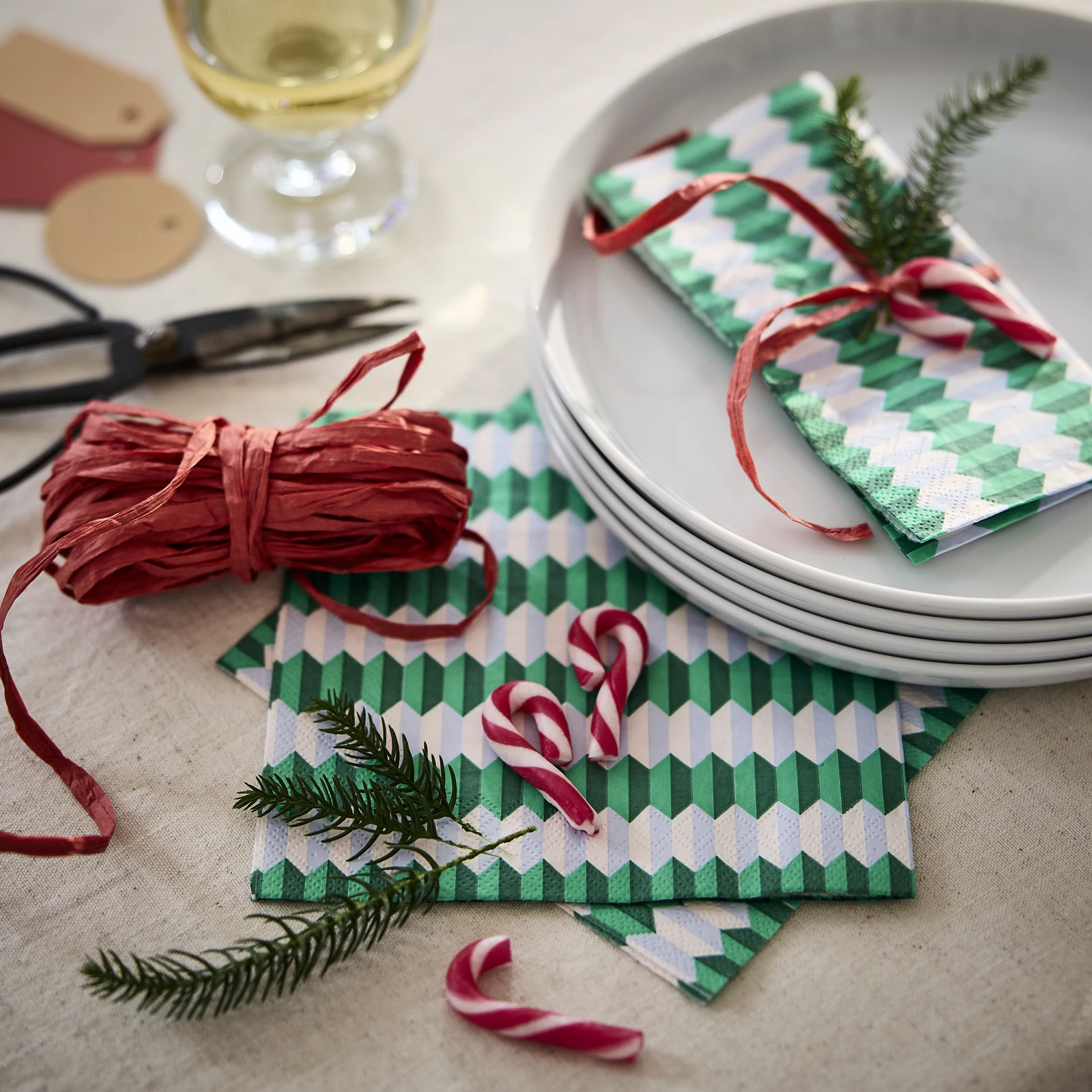
For Christmas 2026, bring cheerful stripes, natural greens or family china with a reflective detail to the table. Choose the mood, then make room for the people arriving: before shopping, measure the surface, count your guests and decide which serving dishes will stay in the middle. Keep those areas clear and arrange decorations in the space left over. Here are three complete settings, with colours, textiles and small details you can repeat easily. Each leaves room for bread, water and the roasting dish everybody has been waiting for.
What looks current this year
Stripes and playful objects give IKEA's Christmas 2026 collection its rhythm; Wurm's Evergreen uses greens and natural-looking materials. In Zara Home's table assortment, red, white and decorative borders accompany a more traditional mood. Start with a piece you already own: a striped cloth works with simple plates, textured ceramics sit comfortably with green, and floral china stands out against a plain background. Repeat one colour in the napkins to connect the setting, then keep the remaining details simple enough for that first choice to lead.
Set one real place with its chair, plate, glasses and cutlery. Sit down, reach for water and look at the person opposite. If a centrepiece hides their face, shorten the stems or replace one tall vase with three lower ones. Move a hard-to-reach glass before adding another accessory. This five-minute rehearsal shows where to leave space and makes setting the remaining places much easier. It also reveals where a serving spoon needs to rest and whether a guest can pull their chair back comfortably.
First arrangement: red meets stripes
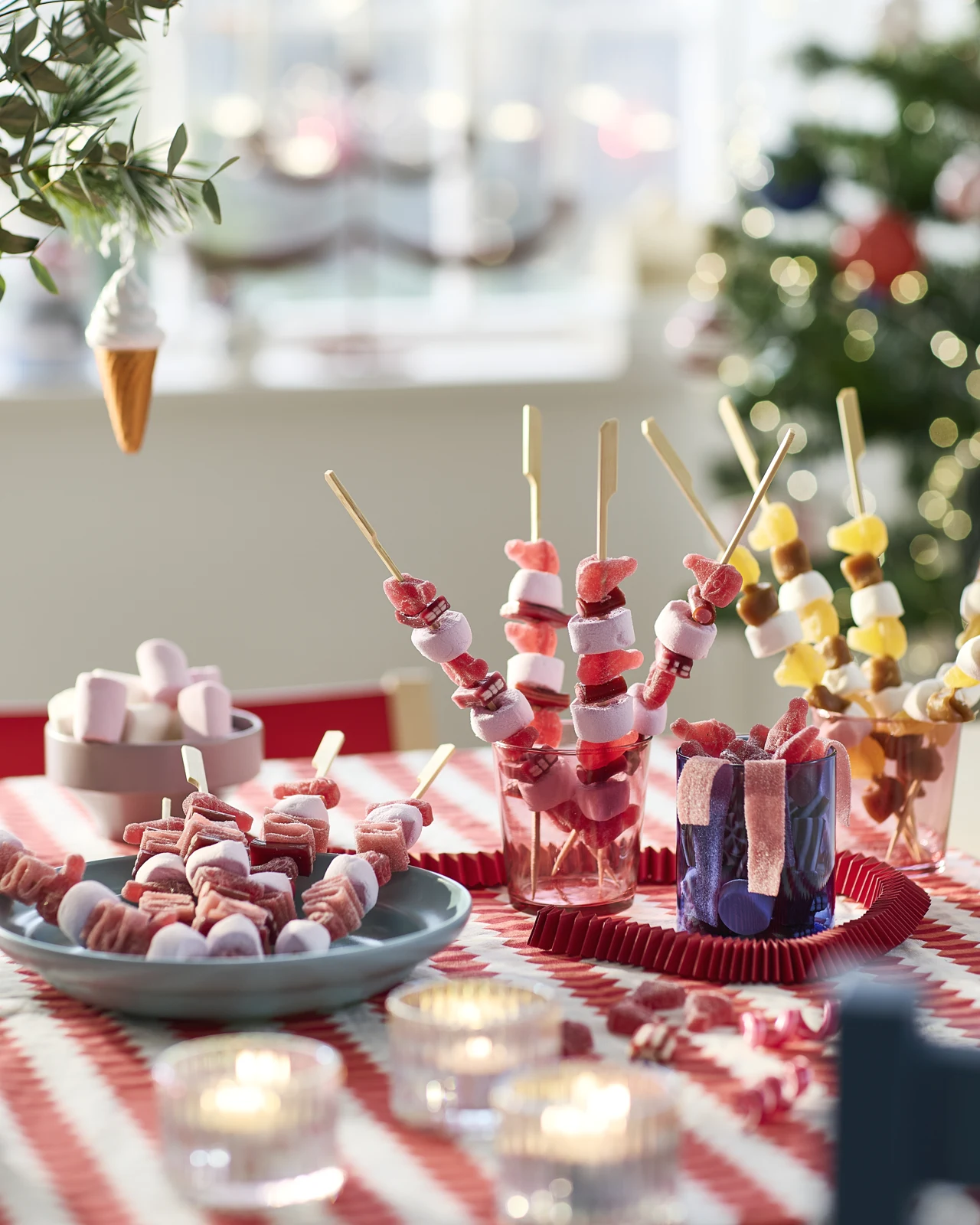
For six people at a rectangular table, imagine a white cloth with red stripes, plain white plates, clear glasses and green napkins. The strongest pattern belongs to the fabric, leaving the other objects room to breathe. Place three low vases in the middle, each holding a red flower and a little greenery. Add ivory card place names. A patterned plate you own can serve bread rather than competing with six different decorative chargers at each setting.
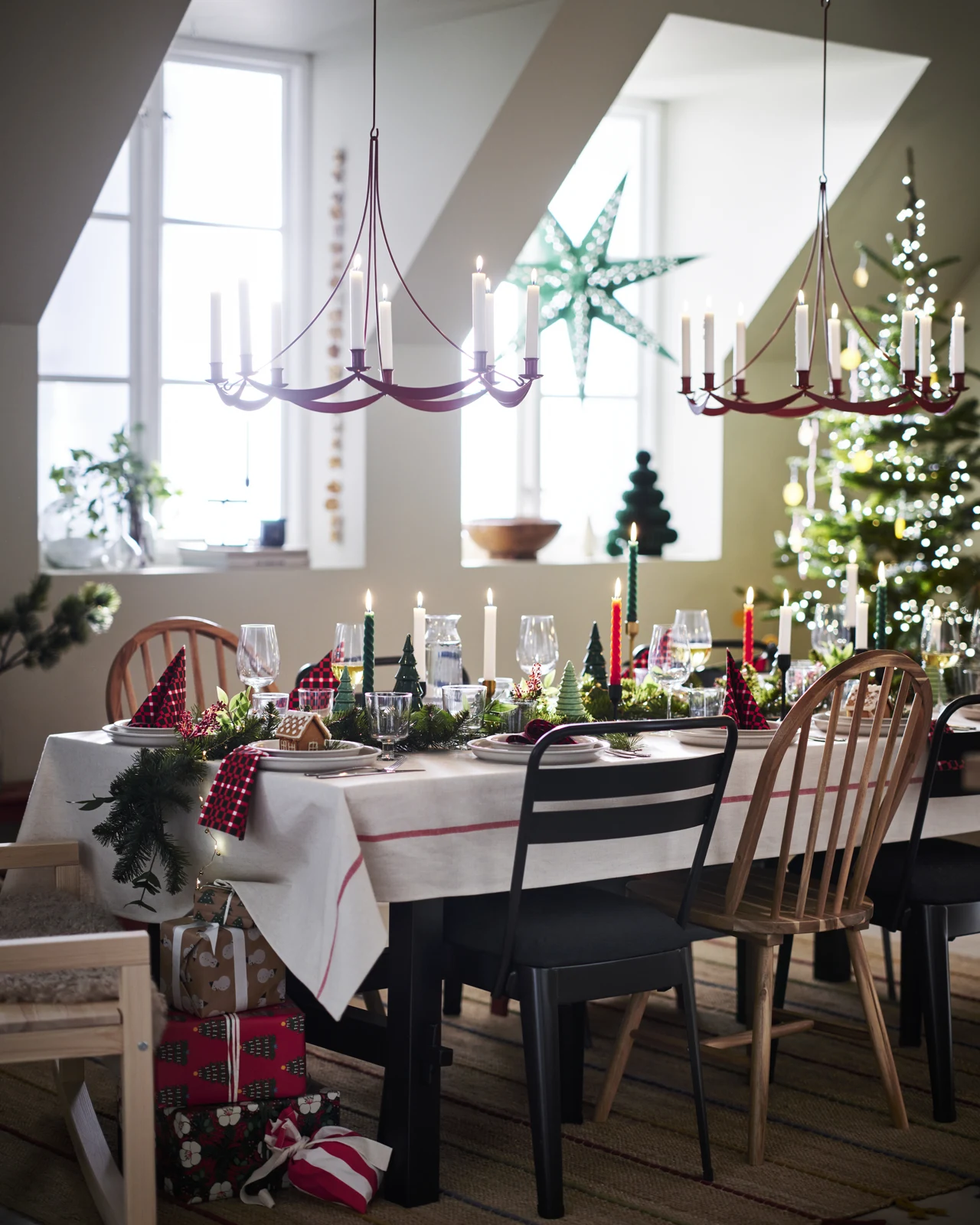
Spread the cloth and check both sides. If it brushes guests' legs or catches when a chair moves, choose another size or secure a neatly folded excess. Arrange plates before adding cutlery for the courses you will actually serve. A napkin can remain a simple rectangle to the left or rest on the plate with the name card above it. Care is visible through consistency and comfort; it does not require elaborate fabric sculptures or a separate accessory for every glass.
If your cloth is already red, keep it. Introduce stripes only through napkins or six little paper bands around the place cards, kept well away from heat. This gives the same graphic language with little or no additional spending. Avoid tying a bow around everything: one repeated detail creates enough rhythm and makes serving easier. The new feeling comes from how things are combined, rather than how many newly bought packages you open before setting the table.
Second arrangement: green, glass and gentle light
For a round table seating four, choose a pale plain cloth, ceramic plates you own, dark green napkins and clear drinking glasses. In the centre, use a round tray holding three small vases with florist-bought greenery and white flowers. Keep the composition low enough for people to see each other without leaning sideways. You can leave the tabletop visible and use washable place mats instead, if the wood and the way your family eats make that a better option.
Choose one pronounced texture. If the plates are very textured, avoid adding woven chargers, a rough runner and heavily embroidered napkins simultaneously. With smooth plates, a fabric napkin ring or textured card adds interest without confusion. For light, put small LED candles in stable holders. Models with screwed battery compartments are a practical choice in homes visited by children; keep spare and spent batteries beyond their reach. Check the holder sits flat before bringing food to the table.
Do not put branches or pinecones inside dinner plates: resin, soil and fragments are not part of the meal. Decorative materials stay on their tray, separate from bread, cutlery and food. For warmth without competing scents, choose lightly scented or unscented flowers and keep fragranced candles for another room. At the table it is pleasant to smell what you have cooked. When a large tureen arrives, the whole tray can move to a cabinet in one simple action.
Third arrangement: let the family china lead
A floral dinner service, gilded rim or tiny decorative motif does not need hiding because it differs from a current catalogue. Give it a simple background: white or cream cloth, napkins picking up one colour from the plate, clear glasses and consistent cutlery. Two small vases of flowers in the same shade and a metal object you already own can complete the centre. The family piece takes the leading role, with everything else supporting rather than competing with it.
If you do not have enough identical plates, alternate two sets deliberately: patterned, white, patterned, white. Keep napkins and water glasses consistent to connect the group. For eight people using four old plates and four contemporary ones, the repeated sequence looks intentional. Avoid putting every special plate on one side of the table while the other side receives a visibly different arrangement. A part service can still produce a welcoming and coherent setting when everybody shares the same attention.
A thirty-euro budget: choose what matters
Set your spending ceiling first. For a table seating six, divide a personal thirty-euro budget like this: allow up to twelve euros for textiles or ribbon, twelve for flowers and six for card and missing materials. Compare actual prices against those allowances before buying. If the florist's quotation exceeds twelve euros, choose fewer stems while keeping the three-vase arrangement. If you reuse your cloth, put the amount saved towards napkins you will use throughout the year. This keeps each purchase tied to something the table needs.
Readers outside the eurozone can make the same allocation in their own currency after checking local prices. With no extra spending, use existing cloths, dishes and glasses, sound reused jars, uniformly folded napkins and leftover card. If investing in one purchase, choose something you can use again: six washable napkins, a correctly sized cloth or a genuinely useful tray. Twenty tiny cheap details are not necessarily better value than one considered choice; they add up and need somewhere to live afterwards.
Let the menu make the final decision
For family-style serving, leave two clear central areas for platters and use small modules that can move. If dishes arrive individually plated from the kitchen, you can use slightly more of the centre while keeping bread and water accessible. At a buffet, put the decorative display behind the food and provide somewhere to rest a plate while serving. Napkins and cutlery should be easy to collect without reaching over exposed dishes. Think about the actual sequence in which people will move.
Rehearse the night before using your largest roasting dish, the chairs and your evening lighting. Check cables, cloth edges, vase stability and space for anyone who needs easier movement. Photograph the layout to remember it, then remove whatever gets in the way. The direction worth adopting is the one that improves the gathering: people see each other, enjoy the food and can pass the bread without negotiating with a centrepiece. That is what makes a carefully chosen table feel complete.
Keep exploring Christmas: We can make that Christmas centrepiece ourselves!. Christmas desserts 2026: three recipes with a fresh festive presentation. Christmas trends 2026.
SOURCES AND FURTHER READING
Did this story touch your heart?
Psst… you’ll like this too!
Christmas tree 2026: three looks to bring home the magic!
Read the story ↗Share this story