We can make that Christmas centrepiece ourselves!
Four projects with measurements, quantities and instructions: flowers in jars, pinecones with LEDs, modular greenery and edible fruit.
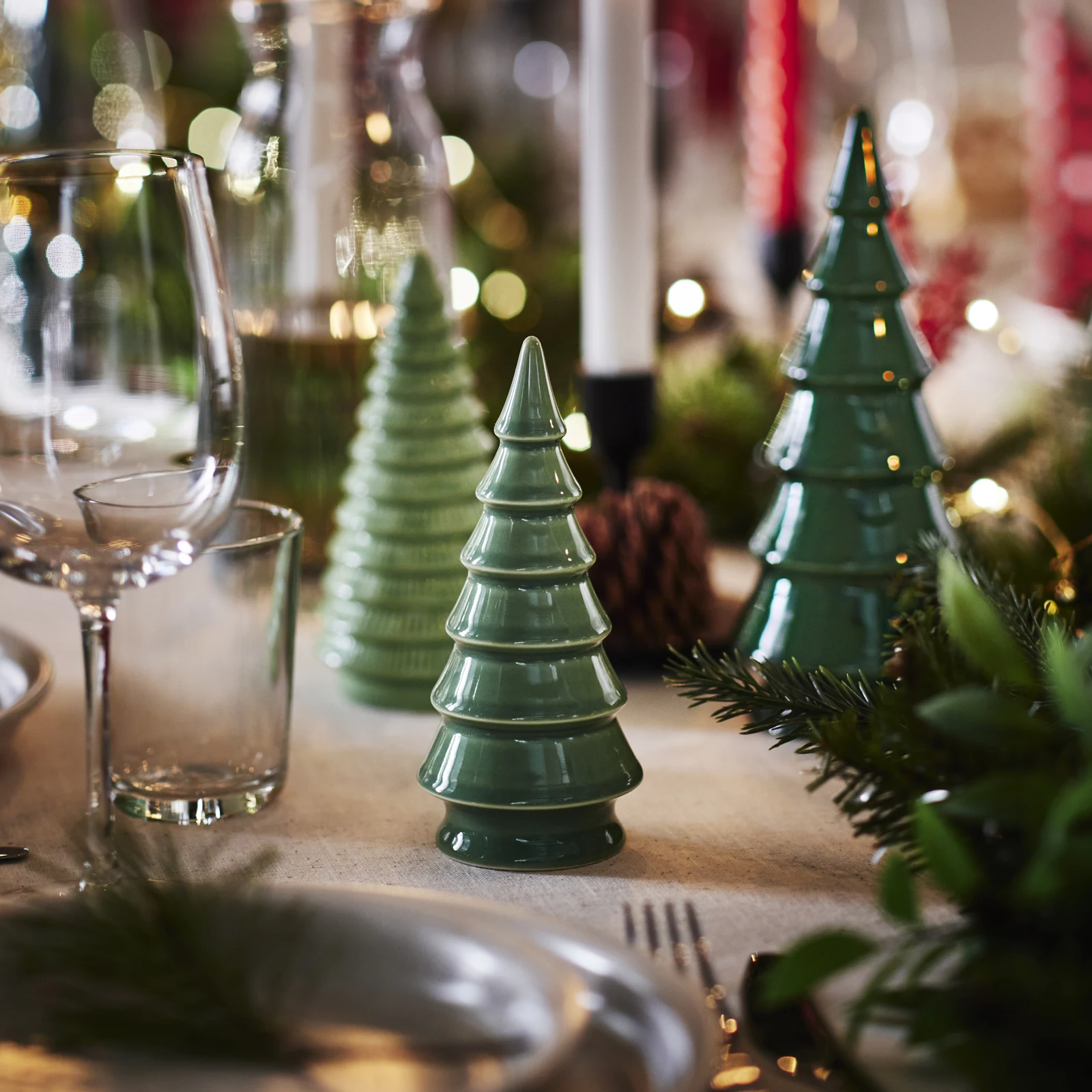
Make your Christmas centrepiece with three jars and nine flowers, pinecones and LED lights, or the fruit you will serve after lunch. For 2026, choose natural greens, light containers and small groups that move easily: when the roast arrives, one quick move makes room. Jars, branches and pinecones are part of Christmas tradition; the pleasure lies in combining them with the colours of your home. Here are four projects with quantities and clear steps. Choose the one that fits your table and gather the materials before starting.
Measure the space before cutting
Place your largest plate, glasses and a serving dish on the table. Note the area left for a centrepiece on a sheet of paper. For a rectangular table around 160 by 90 centimetres, try a 40-centimetre tray; reduce its footprint if you serve everything in the middle. Sit on two sides and check that nothing hides a face. Move a chair, pour some water and pass the bread: the centrepiece fits when those everyday movements remain comfortable and each guest can reach what they need.
Wash containers and dry their outsides. Reject chipped glass, unstable dishes and gathered materials carrying soil or insects. Buy greenery intended for arranging from a florist and ask them to identify the plants if children or animals share your home. Decorative berries are not automatically edible, and different plants need different handling. Keep these projects separate from food and tableware so decorative debris does not travel into lunch. Prepare flowers on a working surface rather than directly over the laid table.
Project one: three jars and nine flowers
For an arrangement roughly 45 centimetres long, gather three sound jars 8–10 centimetres high, nine red or white carnations, three small florist-bought sprigs of greenery, a narrow tray, water and clean scissors or secateurs. Allow about twenty minutes to assemble. Cost depends on the quotation for nine stems; if that exceeds your chosen limit, use one flower per jar while keeping the three-part rhythm. A large mixed bouquet is not a requirement for a satisfying and coherent arrangement.
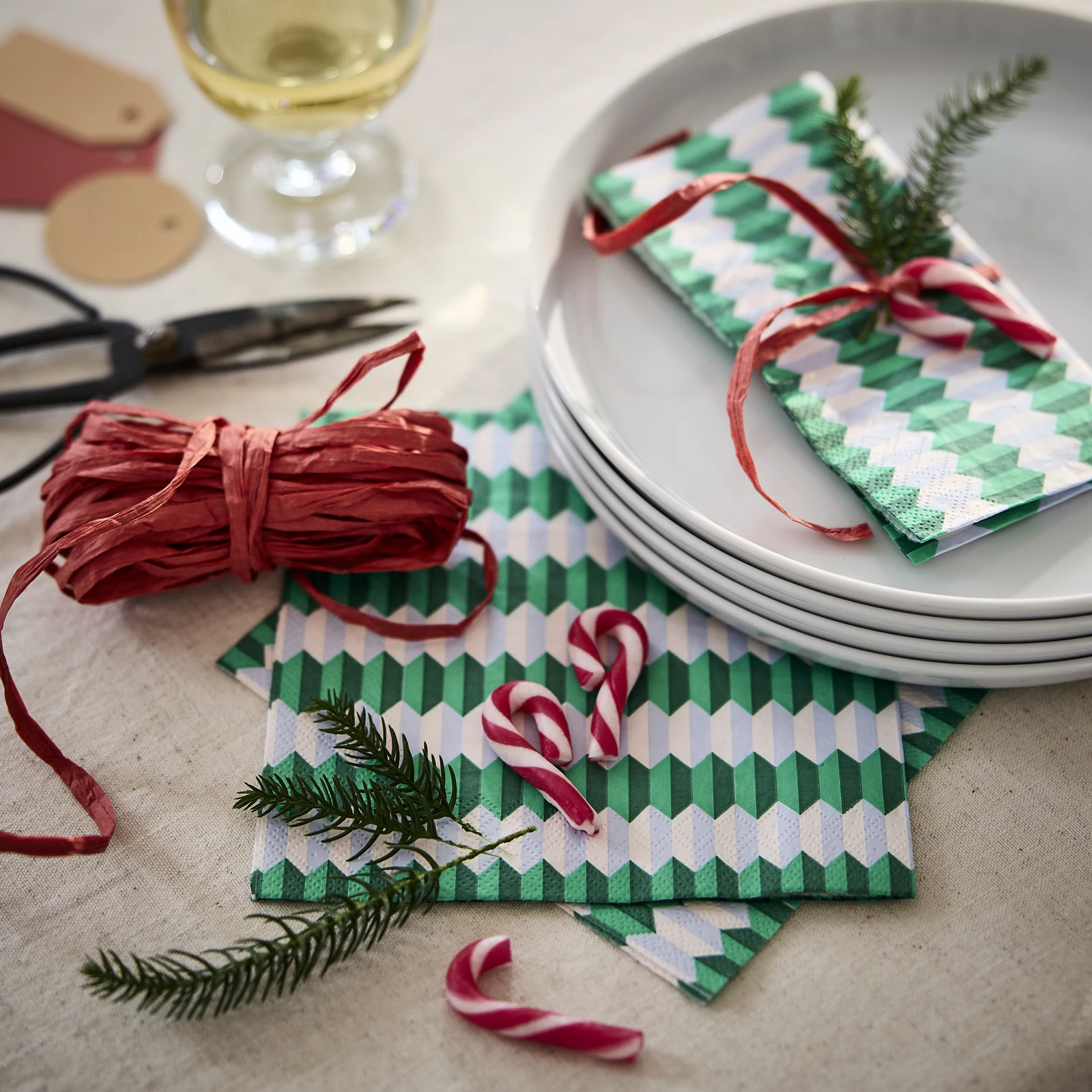
Half-fill each jar, then adjust the water to suit the actual stem lengths. Remove leaves that would be submerged and recut stems with a clean tool. Use one slightly shorter flower and two slightly longer ones in each jar so the heads do not form a completely flat line. Add one small sprig without putting its leaves below water. Set the jars on the tray with visible gaps: the result should read as a sequence rather than a compressed hedge across the table.
Look at the composition while seated and shorten anything obstructive. With a striped cloth, use one flower colour throughout; on a plain base, you can alternate red and white while repeating the same sequence in each jar. Check the water the following day and remove deteriorating material. At lunch, one jar can move to the coffee table while the other two remain, so gaining room does not mean dismantling the entire centrepiece. Each module keeps working on its own.
Project two: pinecones and light, without flame
Gather a rimmed tray, six clean dry pinecones, three small LED candles in stable supports and four reused baubles. Allow fifteen minutes. Choose shatter-resistant ornaments if the tray will be moved frequently, and use purchased pinecones or ones already stored in good condition. Lay the materials out on your working surface and keep every piece removable, with no hot glue, spray snow or loose glitter. After the holidays, the elements will separate easily and the tray can return to its usual place, ready for another use.
Position the three lights first and make sure their battery compartments remain accessible. Arrange pinecones between them, then place baubles so they cannot roll beyond the tray's edge. Leave the top of each light unobstructed. Photograph the arrangement once with the room dark and once under normal lighting. If it looks cluttered, remove two objects before looking for something else to add. Everything should come apart by hand, without tearing surfaces or scraping glue from a favourite tray.
Keep batteries beyond children's reach and choose screwed compartments. Do not replace the LED lights with real candles while leaving this arrangement intact: cones and dry materials cannot surround a flame. The project's effect comes specifically from keeping materials and light close together without combustion. After the holidays, store dry pinecones and baubles in separate compartments and follow the light manufacturer's instructions for a long period of non-use. Check the tray is clean before returning it to any other household function.
Project three: a green runner made of modules
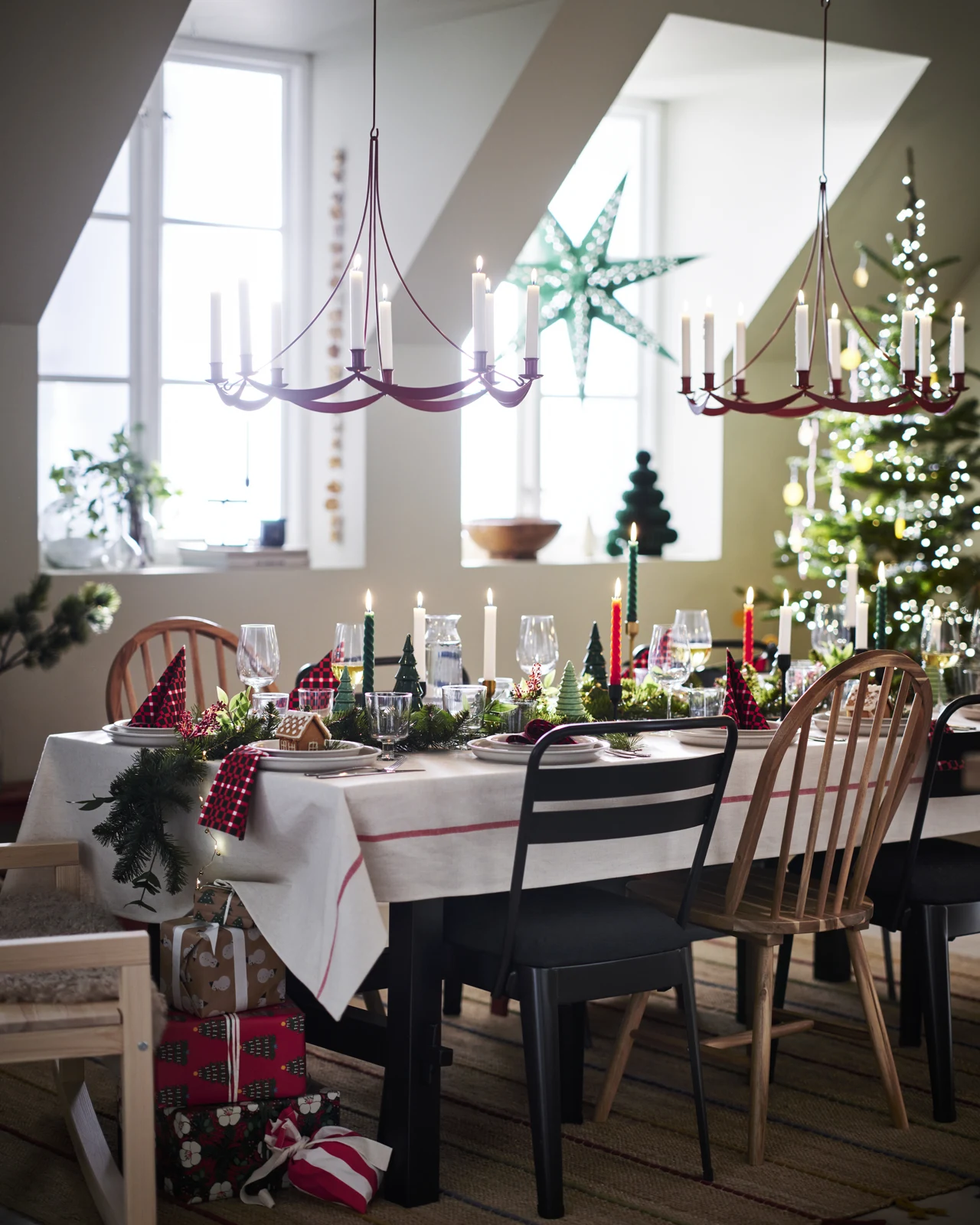
For a table seating six, use four low stable glasses dedicated to flowers, four florist-bought green sprigs and four pale flowers, plus water and a washable cloth for your working surface. Allow twenty minutes. The runner takes shape as you line the little containers along the centre: every stem stays in water and each module moves independently. If extra guests arrive and you extend the table, increase the spacing between the glasses to suit its new length, then check the arrangement from the seats again.
Prepare the stems as in the first project and place one sprig and one flower in each container. Space the four modules evenly, then turn them slightly so they do not create a wall of foliage. Keep the glass openings visible to check water levels. Do not tie the modules together: each must move separately when food arrives. For a shorter table, use only two; the others can decorate a serving cabinet or a suitable windowsill. Recheck the seated view before calling the arrangement finished.
Project four: let fruit take the centre
Take a clean low fruit bowl, six mandarins and two intact pomegranates. Cloth napkins can sit beside the place settings rather than beneath the fruit. Allow ten minutes. Place the pomegranates centrally and arrange mandarins around them with their colour visible. Use fruit you already intended to eat; the project does not require ornamental purchases. If the bowl is small, reduce the quantities rather than building an unstable pyramid that collapses when somebody reaches for a mandarin after lunch.
Do not add branches, wired ribbons, glitter or paint: the fruit remains food. Keep the composition away from heat and check that a guest can take one piece without sending the rest rolling. After the meal, return leftover fruit to its normal storage place. This is a centrepiece for an informal table and works with white plates, clear glasses and green or dark red napkins. It contributes colour while allowing the ingredients to fulfil their original purpose rather than becoming disposable props.
Real candles require a different arrangement
A burning candle needs a stable non-combustible holder, a clear surface and continuous supervision. Keep it at least thirty centimetres from anything that can burn, following any greater clearance specified by the manufacturer. Choose LEDs when branches, paper or pinecones are nearby. Do not leave flames alight while going to the kitchen, leaving the room or going out. An improvised glass cover does not automatically make a composition safe. The decorative plan must adapt to the flame, rather than assuming the flame will adapt to the plan.
Prepare ahead and keep it useful
Flower projects can be assembled the previous evening, with water and freshness checked afterwards; actual vase life varies with variety and room conditions. Keep containers away from radiators and direct sunlight, remove wilted material and change water regularly. For a small budget, start with jars and a tray from home and ask for a quotation for the precise number of stems. The easiest saving is a shorter, carefully made arrangement, leaving space for lunch and giving the components another use after Christmas.
Keep exploring Christmas: Christmas looks good at your table!. Christmas desserts 2026: three recipes with a fresh festive presentation. Christmas trends 2026.
SOURCES AND FURTHER READING
Did this story touch your heart?
Share this story