What to do with leftover rice: four recipes for two
Turn safely stored cooked rice into a courgette frittata, a tomato bake, fried rice or chickpea soup.
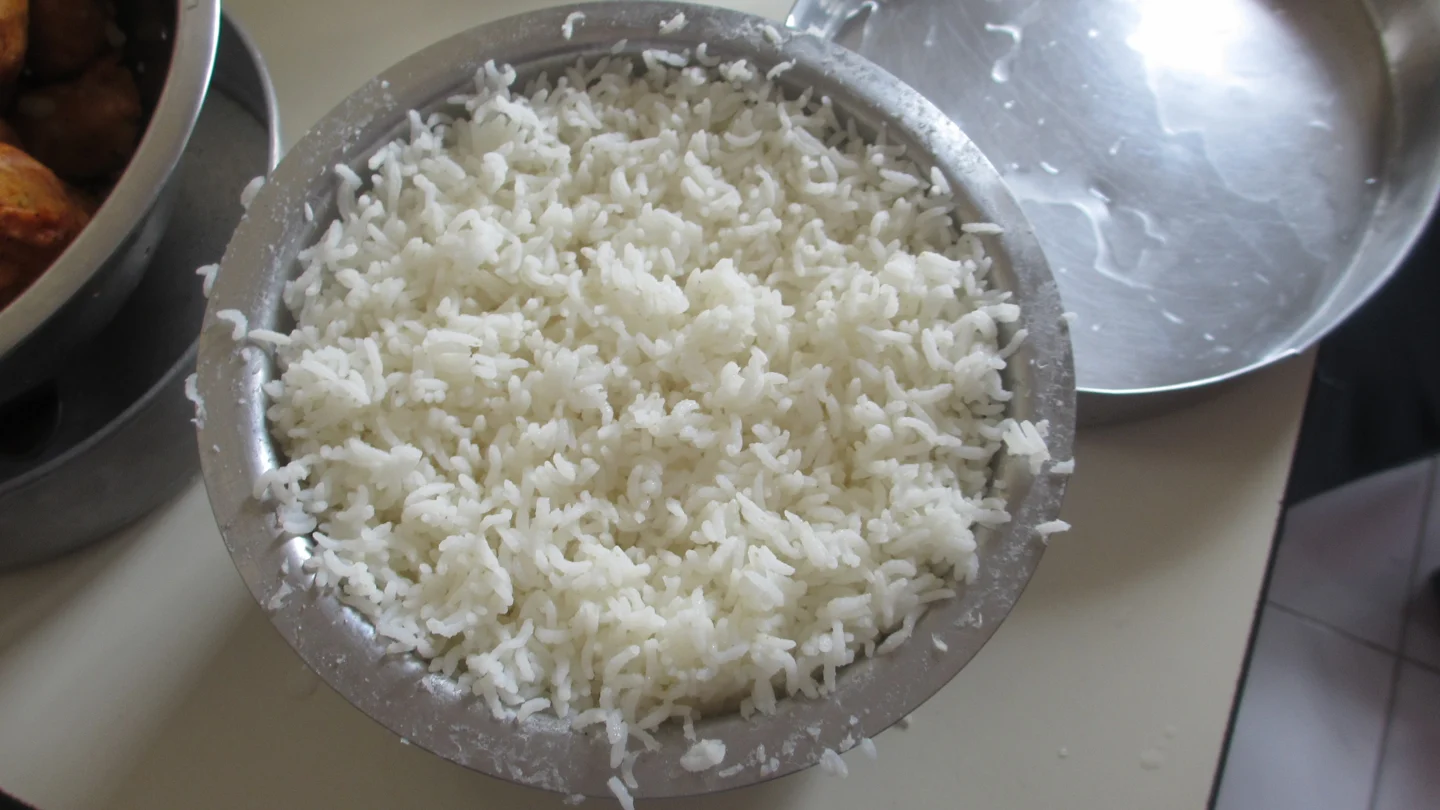
You open the fridge and find a bowl of rice. There’s too much to ignore and too little to look like dinner. You could turn it into a frittata, a tomato bake, fried rice with vegetables or soup. First, check how it was stored. Cool cooked rice quickly, ideally within an hour, refrigerate it and use it within 24 hours. Reheat it only once, until the centre is steaming too. If the rice sat on the hob for hours, cooking it again won’t reliably make it safe.
First, can you use this rice?
Uncooked rice can carry spores of Bacillus cereus that survive cooking. If cooked rice sits at room temperature, the bacteria can multiply and produce toxins. Knowing how it was stored matters more than how hot you can get the pan. Smell, texture and appearance can’t tell you whether rice left out too long is safe. If you don’t know how long it was out or how it was stored, leave it out of these recipes.
Next time, divide the extra rice into small portions in shallow containers so it cools faster. Avoid leaving a full pan to cool slowly on the worktop. Aim to get the rice into the fridge within an hour and eat it within 24 hours. Write the cooking time on the container so you know exactly how old it is. Takeaway rice needs extra care because it may already have been reheated and you won’t know how it was handled.
Weigh the rice after cooking
All four recipes use the weight of cooked rice. Three hundred grams of cooked rice gives you a very different portion from 300 g uncooked. Each recipe serves two. Adjust for appetites and side dishes. Plain rice works in the frying pan and in soup. A seasoned risotto can go into the bake or frittata if the flavours fit. If it already contains cheese or salt, use less and taste your seasoning before assembling the dish.
Take only the rice you’re about to cook from the fridge. Leave the rest chilled so you only reheat each portion once. Get the board, vegetables and baking dish ready first. With thick dishes, check the centre, which takes longer to heat than the edges. A golden top can look ready before the middle is hot enough.
Rice and courgette frittata
For two, use 250 g cooked rice, three eggs, one small courgette, 20 g grated cheese and a tablespoon of oil. Dice the courgette and cook it in half the oil until tender and the liquid has evaporated. Beat the eggs in a bowl and add the cheese, rice and courgette. Mix until the grains are spread evenly through the eggs. Go easy on salt if the rice is already seasoned.
Grease a small ovenproof dish with the remaining oil. Pour the mixture in a shallow layer and bake in a preheated conventional oven at 180 °C for about 25–30 minutes. The shape of the dish affects the timing. The eggs should be fully set and the middle steaming hot. If the top browns too soon, cover it with foil while the centre finishes cooking. Serve straight away with raw or cooked vegetables on the side.
An easy tomato rice bake
Use 300 g cooked rice, 180 g passata, 80 g well-drained mozzarella, 15 g grated cheese, basil and a teaspoon of oil. Simmer the passata for five minutes with the oil and basil. Cut the mozzarella into small pieces and pat it dry so it doesn’t make the bake soggy. Mix the rice with the sauce and spread half in a shallow baking dish. Add the mozzarella, cover with the rest and finish with grated cheese.
Bake in a preheated conventional oven at 190 °C for about 20–25 minutes. Check that the centre is steaming hot and the cheese has melted. Just level the rice gently. If you’re starting with an already creamy tomato risotto, use less passata. Add only leftovers you know have been stored safely and whose flavours suit the dish.
Fried rice with peas and carrots
For two, use 300 g cooked plain rice, 120 g frozen peas, a carrot, a spring onion, a tablespoon of oil and, if you like, one or two teaspoons of soy sauce. Finely chop the carrot and spring onion. Heat the oil in a wide pan and soften the vegetables. Add the peas and a little water and cook until tender, following the pack instructions. Add the rice once the pan is no longer watery.
Break up the grains with a spatula and keep stirring over medium-high heat until all the rice is steaming hot. Move the grains on top as well as the ones touching the pan. Add soy sauce at the end and taste before salting. To round out the meal, serve with a freshly prepared protein such as a fully cooked egg. For a plant-based version, try tofu and follow the pack instructions for cooking and storage.
A soft rice and chickpea soup
For two bowls, use 200 g cooked rice, 240 g drained chickpeas, a carrot, half a stick of celery, a tablespoon of oil and about 600 ml stock. Chop the carrot and celery and soften them in oil with a splash of water. Add chickpeas and stock and simmer until the vegetables are tender. Mash a few chickpeas with a fork to thicken the broth while keeping most of them whole.
Add the rice in the last few minutes and bring the soup back to steaming hot, stirring to heat the grains evenly. Add hot liquid if you want it thinner and serve immediately. The rice is already cooked and will get too soft if you simmer it for long. If you only have 150 g, use that and serve with toast. Make dinner around what you have, keeping the storage limits in mind.
What if you won’t eat it today?
Decide whether to freeze rice soon after cooking and cool it quickly. Freezing won’t make up for poor storage. Defrost the portions in the fridge, then reheat until steaming hot throughout and eat immediately. Freeze the amount you need for each meal and mark it with the date. Making the most of leftovers starts when you put them away, long before you turn on the oven.
SOURCES AND FURTHER READING
Did this story touch your heart?
Share this story