YOU HELPED SOMEONE. DID THEIR FACE NEED TO BE IN THE POST TOO?
A post can launch a collection or find new volunteers. But the person receiving help must remain central, even when they choose not to be seen.
You delivered food parcels. The day went well and you want to share it: the story might encourage more donations. Then you look at the photo you are about to publish. In the foreground is someone who came to ask for help.
Before writing the caption, it is worth pausing over a question: what are you asking of that person, alongside the help? The possibility of being recognised online may carry a weight you cannot see from the other side of the lens.
Jesus also speaks about wanting admiration
In Matthew 6:1–4, almsgiving is removed from the pursuit of approval. In his catechesis of 9 April 2016, Francis invites us to look at the person and attend to their need, rather than reduce the gesture to an appearance of generosity.
Before posting, we can return to the Gospel’s question: whom is this act for? Sharing a good work can bring others into it; how we share should also honour the person receiving help.
Can the recipient feel truly free?
Someone may not want colleagues, neighbours or children to see a difficult situation. They may also say yes because they feel indebted. Pausing to listen to hesitation is already part of how we choose to help.
It is not enough to think the photo is moving. Ask whether you would feel comfortable being portrayed in the same way during a vulnerable time in your life. If the answer is uncertain, you can choose a different image.
There are other ways to tell good stories
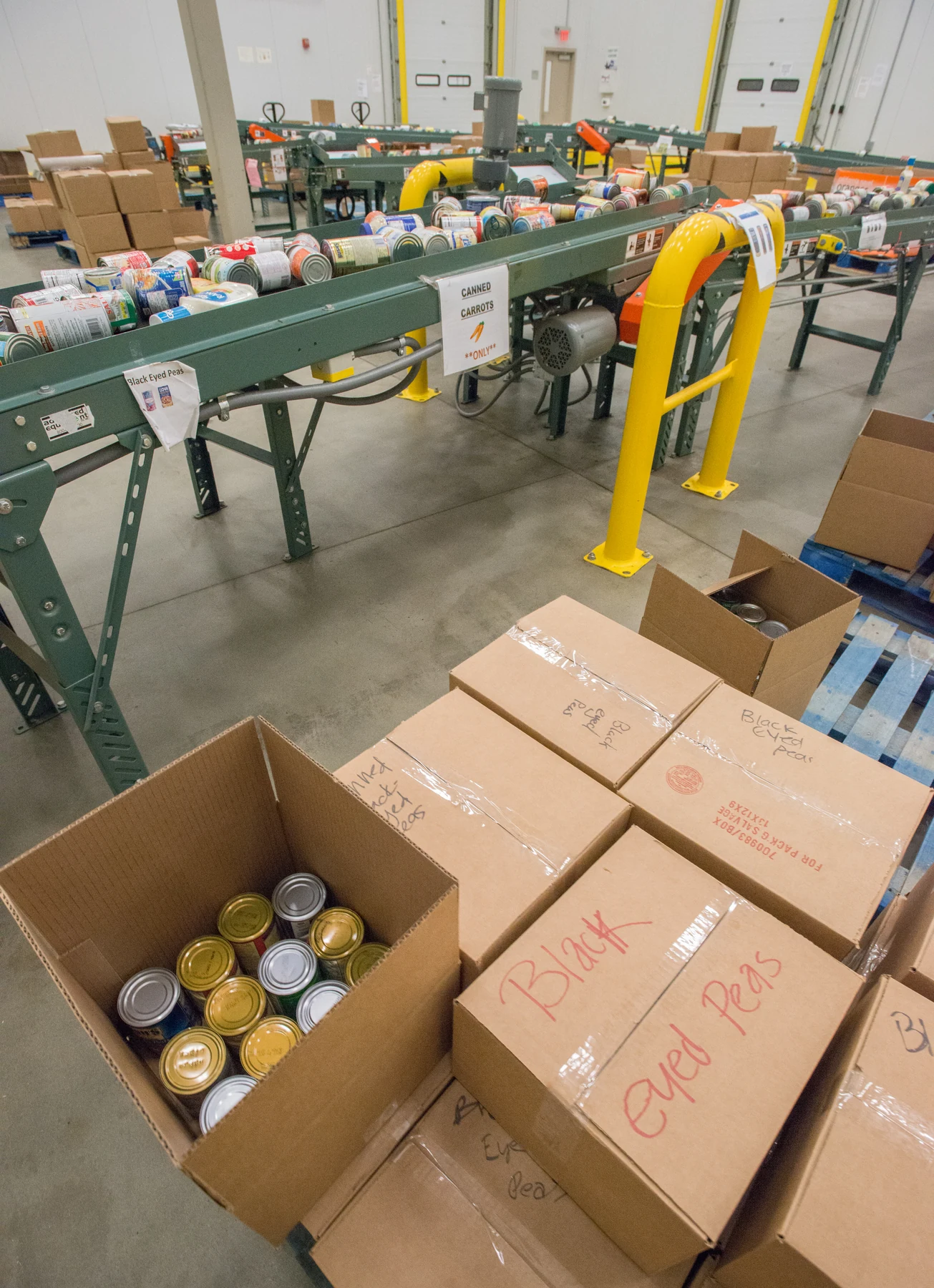
You can photograph donated supplies, parcels before delivery or spaces prepared by volunteers. You can explain the need and provide the organisation’s public contact details after checking they are current.
You can also give a voice to someone who wants to share their experience, respecting what they wish to tell and what they prefer to keep private. A testimony should not reduce a whole life to needing help.
The question before publishing
Does this post help someone understand how to take part? Does it document an activity respectfully? Or does its power depend mainly on exposing another person’s vulnerability?
Sharing good can be useful. Choosing not to show a face can be useful too. If a story works only by embarrassing someone, perhaps the first thing to change is the way it is told.