TONIGHT, DINNER ARRIVES ON FOUR WHEELS.
For many of us, deciding dinner means opening the fridge and declaring there is nothing, even when something is there. For someone living on the streets, the question differs: where can I eat tonight? A concrete distance separates those scenes. A kitchen on four wheels tries to cross it, taking a meal to where someone is waiting for it.
A kitchen that moves towards people
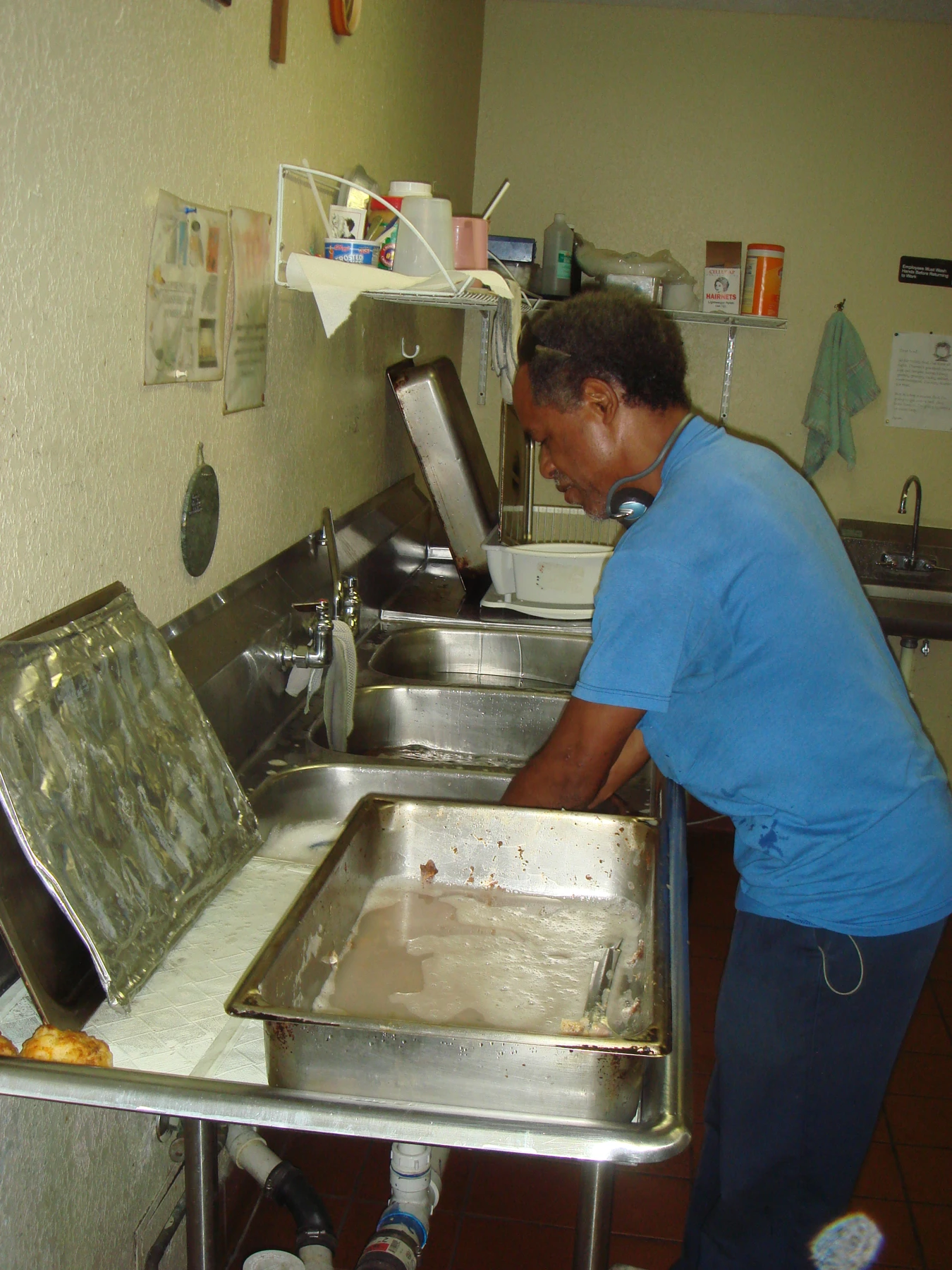
Progetto Arca’s mobile kitchens bring hot meals directly onto the streets. The foundation describes this activity as part of outreach and connection with local support services. Food answers an immediate need; meeting someone can open the possibility of longer-term help. The meal matters in itself, as well as within a wider process of assistance.
Without a safe place to live, storing food, heating it and washing a plate become difficult. A ready meal eases one part of the day. Eating matters today, while the work towards housing and a future continues.
Receiving a meal should not require telling an entire life story. We are not entitled to a detailed explanation of why a person is there. We can recognise need without turning it into an examination of past decisions or a public demonstration of gratitude. Dignity does not begin only after someone has supplied an answer that persuades or reassures us.
A kind gesture needs organisation
In a story published by Progetto Arca, outreach worker Alessandro describes the importance of continuity and relationships. Returning, listening, becoming a familiar face: the work continues after a meal is handed over.
That work often does not appear in photographs. Shifts need covering, instructions following, materials preparing and times respecting. Organisation does not remove warmth from solidarity. It can prevent a wish to help from creating confusion, or an oversized promise from being abandoned just when somebody has begun to depend on the person or service that offered it to them.
For that reason, simply arriving with food cooked at home without agreement is insufficient. Before delivering food or objects, contact the service and ask what can be accepted, under which conditions and through which channels. This is not coldness. Organisers need to protect safety, quality and continuity, including when receiving a generous offer from someone eager to make a contribution.
I want to help. Where do I begin?
Want to help? Progetto Arca’s volunteering page accepts applications for Milan and Rome, including mobile kitchens, street outreach and other services. Share the time you can offer and discuss which activity suits you.
Before filling in the form, ask yourself three practical questions. How much time can I reliably maintain? Which activities fit my physical circumstances and commitments? Am I willing to follow guidance, even if I imagined the service differently? Honest answers help build a commitment that does not depend entirely on the excitement of a first day or an inspiring story online.
If you live elsewhere, ask about opportunities in your area or look for a local organisation. A phone call can be the beginning: the team can explain where volunteers are needed and what the commitment involves.
Support can be practical too
Not everyone can volunteer on the streets. Consider donating through Progetto Arca’s official site and reading its transparency information. Before confirming, check the amount and whether the contribution is one-off or recurring. Generosity can be informed and sustainable without becoming a commitment that competes with essential expenses or responsibilities towards people depending on you.
You can share the official link with an interested person too. Useful communication explains what the project supports and how to learn more. It does not require showing the face of someone receiving help or repeating a private story heard while volunteering. Respect for privacy continues even when the intention is to make other people aware of a valuable initiative.
If you cannot give time or money now, do not invent availability to feel worthy. Keep a verified contact and share information with someone who needs it, without promising access or assistance you do not control. Referring people to reliable information also requires precision. A correct link is more helpful than reassurance built from hearsay or assumptions about what a service will do.
The Gospel within a meal
In Matthew 25:35–40, Jesus connects caring for hungry people with encountering him. For a Catholic reader, that reference can deepen a gesture. It does not authorise making help conditional on listening to a sermon or professing faith before receiving food. The person’s actual need remains present regardless of whether they share the volunteer’s religious convictions or beliefs.
CHIARA!’s reflection is simple: faith can deepen while you learn to serve somebody respectfully, leaving them free to differ from you. You need not solve their life to recognise their presence. Nor do you need to feel indispensable. Joining shared work means accepting that you are part of something continuing beyond your own shift, supported by other people and their commitments.
Tonight, while deciding what to cook, open an official page and choose one possible first step: learn, apply or contribute. Dinner on four wheels recalls something practical. Sometimes meeting another person requires changing the place where we expect them to come. It means arriving with something they actually need, alongside enough time and attention to treat them with respect as a person.