IN HOSPITAL, PLAY MATTERS TOO.
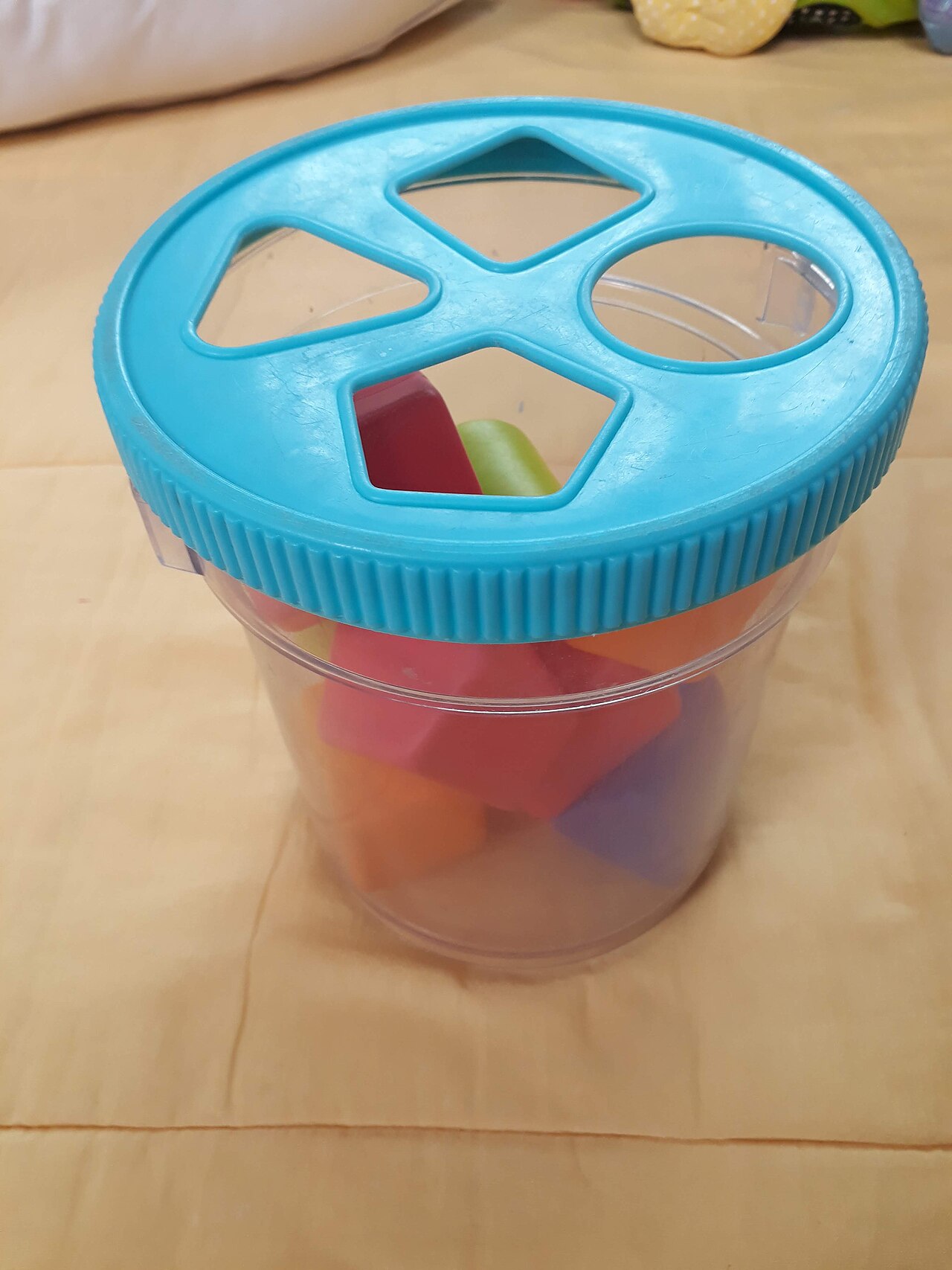
At home, an unfinished game might be a minor annoyance. In hospital, starting a game or choosing a colour can help restore something familiar. Between examinations, waiting, and changed routines, a child still has tastes, curiosity, and a wish to play, even when the adults are full of worry.
ABIO volunteers care for this space. Alongside children, teenagers, and their parents, they offer welcome, listening, and play within a hospital setting. Such a presence requires preparation and continuity. There is much to learn before becoming useful in a place this sensitive.
Play belongs here too
On its welcome page, Fondazione ABIO describes activities suited to each young patient’s age and condition. Play is one possibility; the service also includes practical orientation and attention to families, with respect for privacy and dignity.
That matters to those looking in from outside too. No game erases a diagnosis, and a child should never be expected to smile to reassure adults. Yet we can value a moment when they have something to choose, an interest to express, a space that does not revolve entirely around illness.
The rights charter presented by ABIO includes play, recreation, and education appropriate to age and health. This invites us to consider a whole child. They need treatment and remain a person who grows, learns, gets bored, wants company, or needs rest.
Being useful includes learning how to be present
Sometimes we imagine volunteering as warm-hearted availability that will find the right way by itself. On a ward, knowledge, rules, and respect for roles matter too. A good intention may need educating, especially when it encounters suffering it would like to resolve quickly.
ABIO provides a pathway involving an information meeting, theoretical training, and supervised practice. Preparation includes relationships with children and families and understanding hospital life. New volunteers learn to join an organised service, rather than inventing a starring role for themselves.
For anyone considering a start, that can be reassuring. You do not need to know everything already. You do need willingness to learn, discuss, and assess whether the commitment fits your life.
A shift you can sustain
The national page about becoming a volunteer specifies a minimum age of eighteen, participation in the complete training pathway, and availability for a regular half-day shift each week alongside association activities. Supervised practice lasts around six months. Local associations organise meetings and courses; they are the point of reference for actual availability and arrangements.
Before applying, look honestly at your diary. Is the time there? Could you maintain it after the initial enthusiasm? Which work or family responsibilities need considering? Answering sincerely already shows respect for the service and yourself.
If you cannot currently guarantee the continuity required, acknowledge that without considering yourself less generous. A commitment driven by guilt may become difficult to sustain. Doing good needs realistic availability too.
ABIO operates in Italy, and its official directory lists Italian associations. If you live elsewhere, ask your local hospital or a suitable organisation in your country about its own volunteer pathway. Requirements and arrangements may differ; the process described here belongs specifically to ABIO.
What about the parents?
When a child is admitted to hospital, many things reorganise around them. There are waits, information to understand, and responsibilities continuing outside. Every family lives this differently. Ready-made reassurances and comparisons with other hospital stays can miss what is actually needed.
ABIO includes parents within its welcome. Discretion becomes practical: knowing when to speak, leaving space, respecting what a family wants to keep private. Even a very young child has a right to privacy. A moving picture that might touch us online is still part of that child’s life.
Care within our life of faith
For believers, caring for a vulnerable person can be a concrete way of living charity. This is the perspective CHIARA! brings to the service. We do not attribute a religious identity to ABIO, or beliefs to families we do not know. Care can be shared by people with different stories and faiths.
If you would like to understand the pathway, begin with the official section for prospective volunteers and find your local association. Do not arrive directly on a ward with materials or proposals. Start by finding out how the service works, ask for guidance, and listen to what is needed.
You can also ask the local association which questions are useful to consider before the information meeting. Arriving with curiosity, rather than a finished plan, leaves room for the experience of people who know the ward. Your enthusiasm gains both a conversation partner and a practical measure.
You may discover that your most valuable contribution differs from what you imagined. It could take the form of a prepared, discreet presence able to return for a regular shift. And of recognising that, for a child, a moment of play deserves our full seriousness.