HERE YOU CHOOSE YOUR GROCERIES. EVEN WHEN YOU NEED HELP.
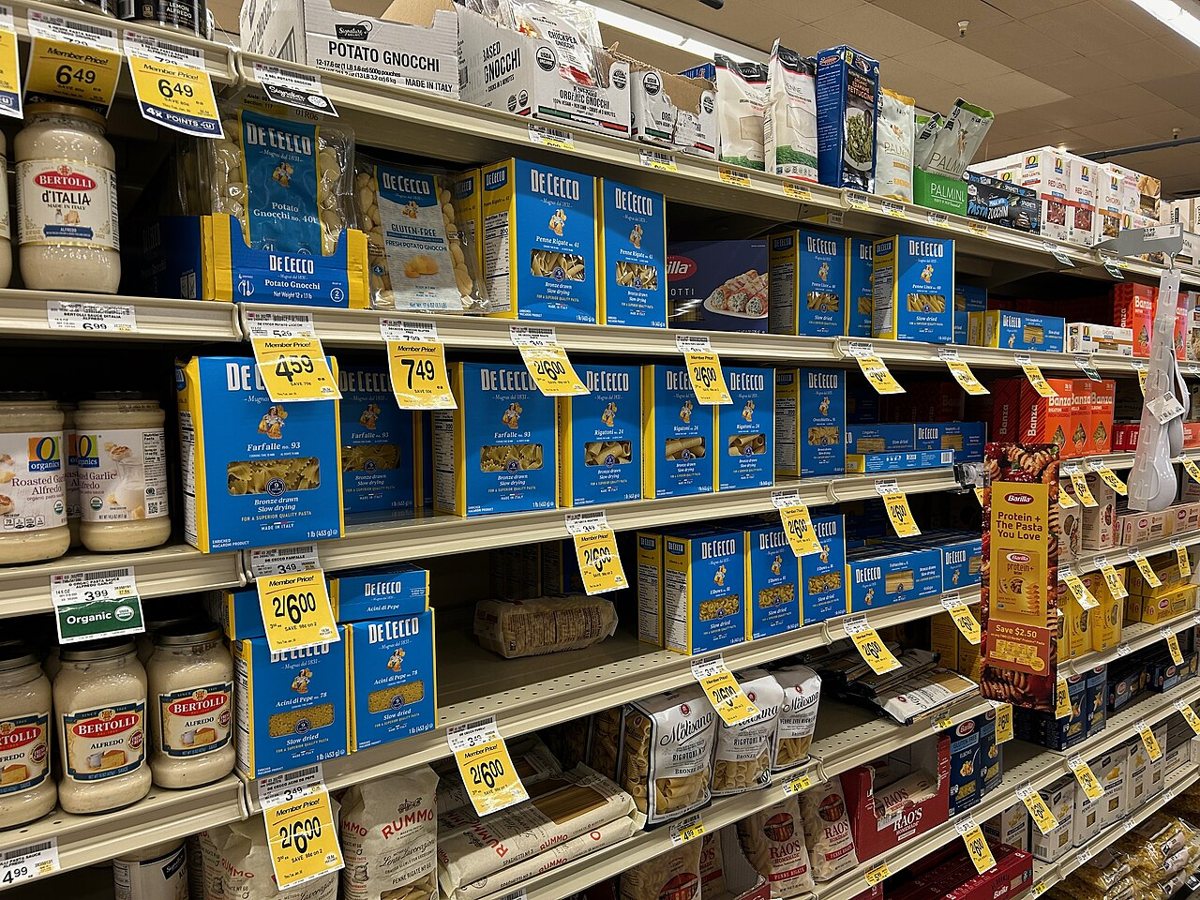
In front of a shelf, you make lots of small choices. The children like that pasta, you know how to cook that ingredient, another is unsuitable for a dietary need. They seem like details. Then you imagine no longer choosing anything, not even what reaches your family’s table.
When a family faces financial difficulties, receiving help matters enormously. How that help is organised matters too. The ability to express a need, a taste or a practical requirement does not disappear along with the money available.
A solidarity shop where needs shape choices
On 23 March 2026, Caritas Italiana reported the opening of a solidarity grocery shop in Spoltore, in the Archdiocese of Pescara-Penne. The project involves Caritas, Associazione Spazi di prossimità, the municipality, Conad Adriatico and local parishes.
In the service described, families identified by social services together with Caritas can access goods using a points card and choose products according to their needs. The report also presents the shop as a place for listening and support towards independence.
This is a particular experience, rather than a system that works identically everywhere. Access arrangements, availability and organisation vary between areas. Ask the local service for information instead of assuming that one story describes every town.
Taste is part of life too
Asking which product someone prefers may seem unimportant when essential resources are missing. Yet knowing the food, being able to use it and cooking something the family will actually eat belong to daily life.
We should not idealise a shopping basket. What is offered depends on what a service can provide and may be limited. But leaving room for choice recognises that the person receiving help still knows their life better than someone looking in from outside.
This perspective can change smaller acts of help too. Rather than deciding automatically what a friend or family should need, ask them. A respectful question can prevent waste and, above all, leave someone free to answer honestly.
Get to know the service before donating
If you wish to contribute to a solidarity shop, find the official contact for the diocesan Caritas or managing organisation. Ask about requested products, delivery arrangements and other accepted forms of support.
What you have at home may not match the current need. Services have to manage storage, distribution and space. Following their guidance makes your contribution easier to use and respects the work of those organising it.
For volunteering too, ask how to get involved. Hours, training and tasks should not be improvised. A sustainable commitment may do more good than an enormous promise that proves impossible to keep.
If you are the one who needs help this time
You can contact Caritas in your area or municipal social services to learn what support exists. They can explain the available pathways, whether a solidarity shop operates nearby and what conditions apply. This page cannot guarantee access to a service.
Asking for information does not oblige you to tell your story publicly. You can ask how personal data will be handled and which steps are necessary. Privacy belongs to human dignity, including when someone receives support.
In Matthew’s Gospel, Jesus connects meeting him with feeding those who are hungry. Christian reflection begins with a real person, rather than a parcel handed over to make us feel good. A real person has a home, habits, needs and wishes. Even in front of the pasta shelf.