DOES YOUR DOG UNDERSTAND WORDS? TWO STUDIES LOOKED INSIDE ITS BRAIN!
Say “ball” and your dog reacts: is it the word or just your tone? Two studies of dogs’ brains help explain what might be happening.
Say “ball” and your dog gets excited. Say “walk” and the celebration begins. Is your companion recognising a word or simply reacting to your voice? Scientists have explored the question by recording dogs’ brain activity.
Experiment one: inside the scanner
At Emory University in the United States, researchers trained twelve dogs to recognise the names of two toys: a soft object and a rubber chew toy. The dogs voluntarily entered an MRI scanner, awake and without sedation.
Their owners said the familiar names and showed the toys, then used invented words while displaying unfamiliar objects such as a hat or doll. The dogs’ brains responded differently to known words and new ones. Novel words produced stronger activity in some auditory regions, unlike the pattern often found in human studies.
The finding suggests that dogs distinguish words they have learnt from unfamiliar sounds. It does not show that every dog understands language in the way people do.
Experiment two: the ball test
At Eötvös Loránd University in Budapest, Marianna Boros and colleagues recorded the brain activity of eighteen dogs using EEG electrodes. Owners said the name of a familiar object and then showed either that object or something else.
When the object did not match the spoken word, a different brain response appeared. The effect was stronger for words the dogs knew better. The researchers interpret this as evidence that hearing an object’s name can activate a matching mental representation.
What does your dog understand?
These experiments concern familiar words and particular tasks, not complete conversations. Your dog also uses your tone, gestures and other cues. Individual dogs differ in what they have learnt and how they respond.
Use a consistent name for a toy. Show the object as you introduce its name, and keep games gentle and rewarding. Talking to your dog can be part of your relationship, without expecting it to follow every sentence.
A familiar friendship
Francis of Assisi is traditionally remembered for addressing animals as fellow creatures and preaching to birds. The story belongs to the saint’s religious tradition, not to the scientific evidence discussed here.
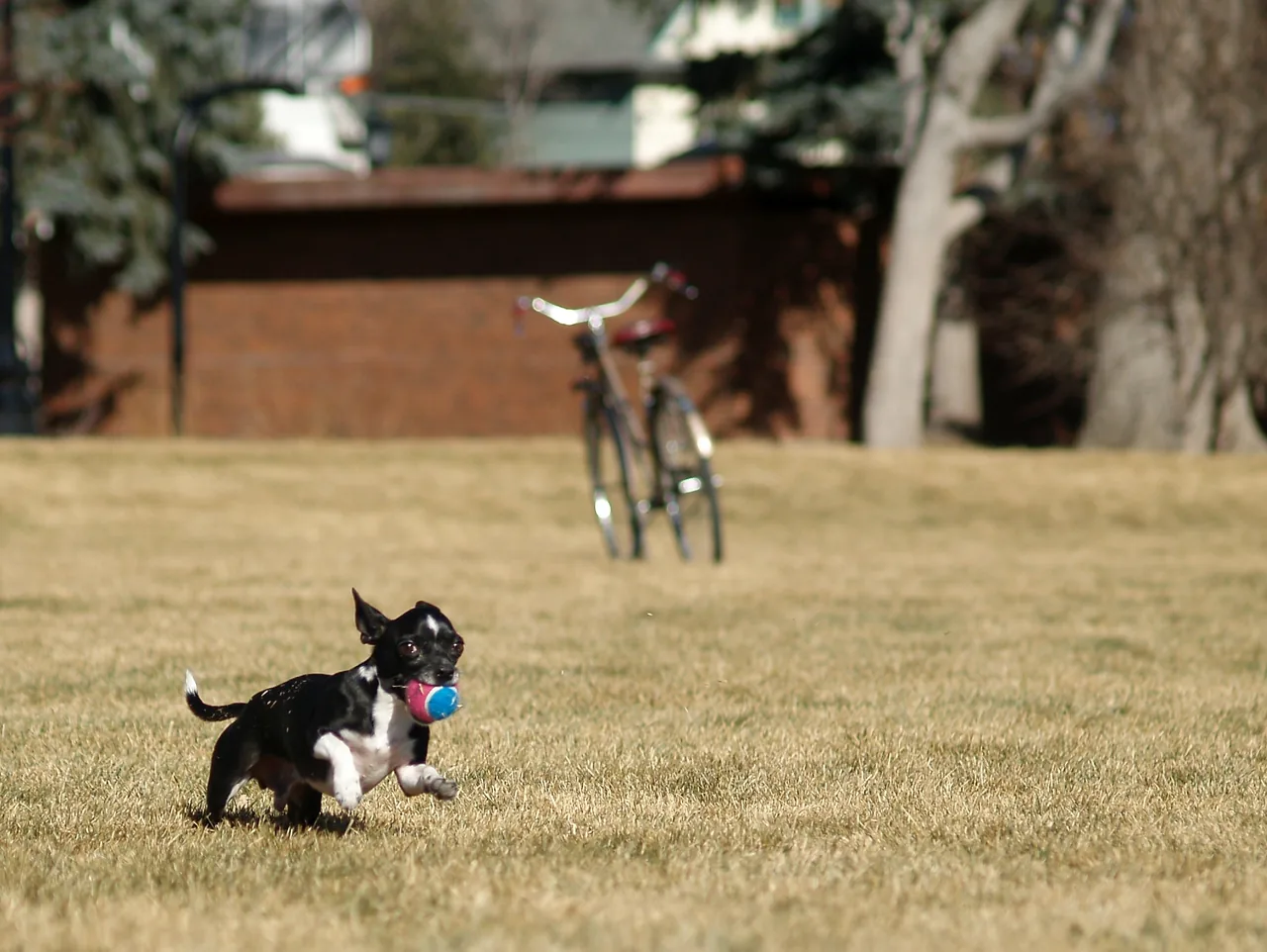
The photograph shows a dog fetching a ball. It is an archive photograph, not one of the dogs in either experiment.
Source: ELTE – Neuroethology of Communication Research Group ↗