ST BERNADETTE: WHAT HAPPENS AFTER LOURDES?
The grotto made her name famous around the world. But thirteen more years of her life await us in Nevers.
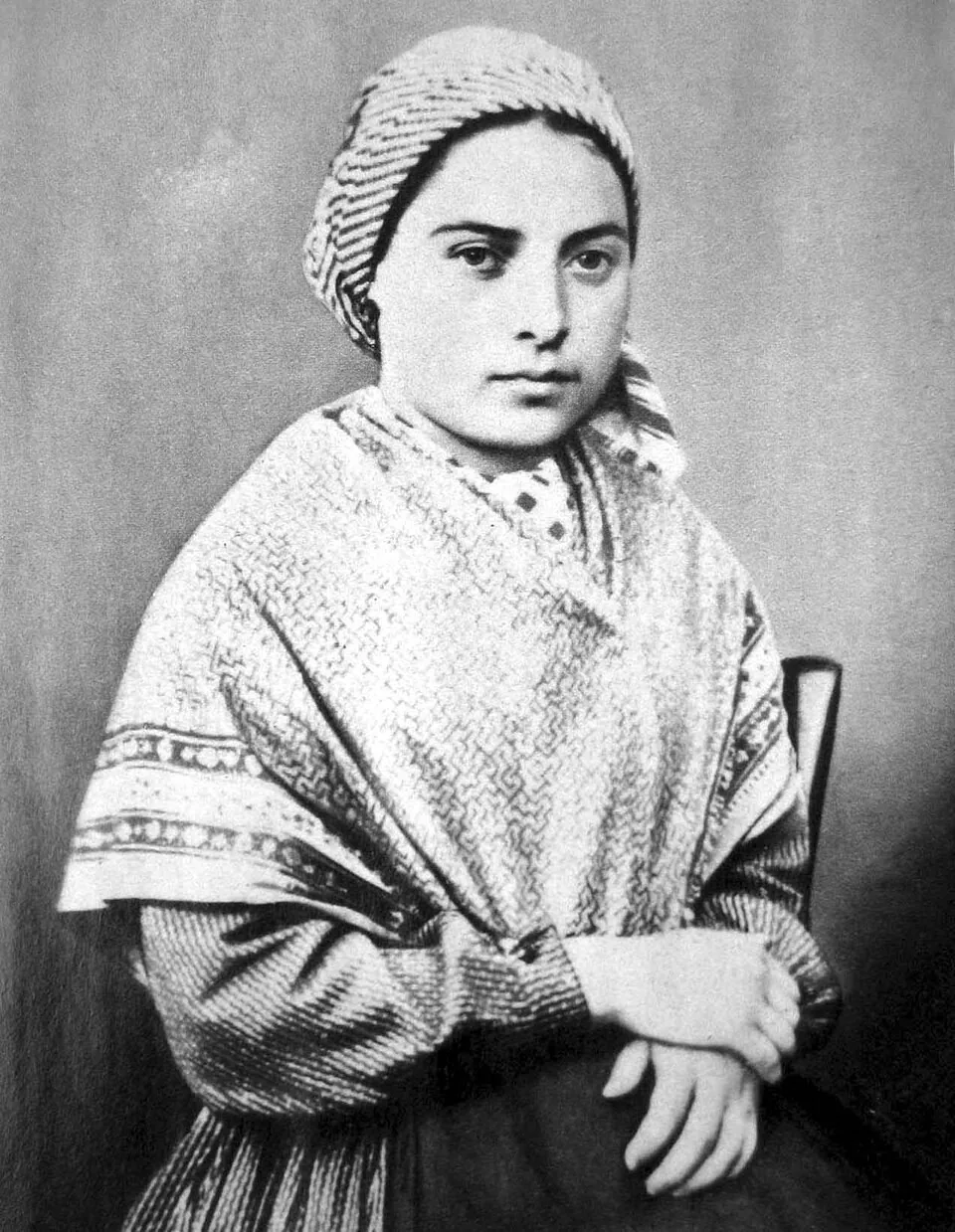
On 11 February 1858, fourteen-year-old Bernadette goes to collect wood with her sister and a friend. Her account of a Lady appearing in the grotto of Massabielle will make Lourdes famous worldwide. Stop her story there, though, and we miss everything that follows.
A family that loses everything
Bernadette is born on 7 January 1844 into a family of millers. Illness, money problems, debts and house moves follow. The Soubirous family ends up in the Cachot, a small, unhealthy room in a former prison. She has asthma and has hardly been able to attend school.
Her account describes eighteen encounters between 11 February and 16 July 1858. The bishop opens an investigation on 28 July; Church recognition follows on 18 January 1862 after examining testimonies, events and healings. Bernadette’s account and the Church’s judgement unfold on very different timescales.
A new home, away from the crowds
In 1866 Bernadette leaves Lourdes, joins the Sisters of Charity of Nevers and takes the name Marie-Bernard. At Saint-Gildard convent she works in the infirmary and sacristy for as long as her health allows. Eventually, the person caring for the sick needs care herself.
She dies on 16 April 1879, aged thirty-five, and is canonised in 1933. The grotto stays famous, but her final years unfold elsewhere, amid community, work and vulnerability. That part of her story deserves rediscovery.
11 February celebrates Our Lady of Lourdes; 16 April marks Bernadette’s death. Recognised apparitions are private revelations: in Catholic faith they help people live the Gospel without replacing it.