AL BANO: HIS HEART IS STILL IN THE COUNTRYSIDE!
The singer stands with farmers. Behind his words lie his roots in Cellino San Marco, a promise to his father and a bond with the land that success never broke.
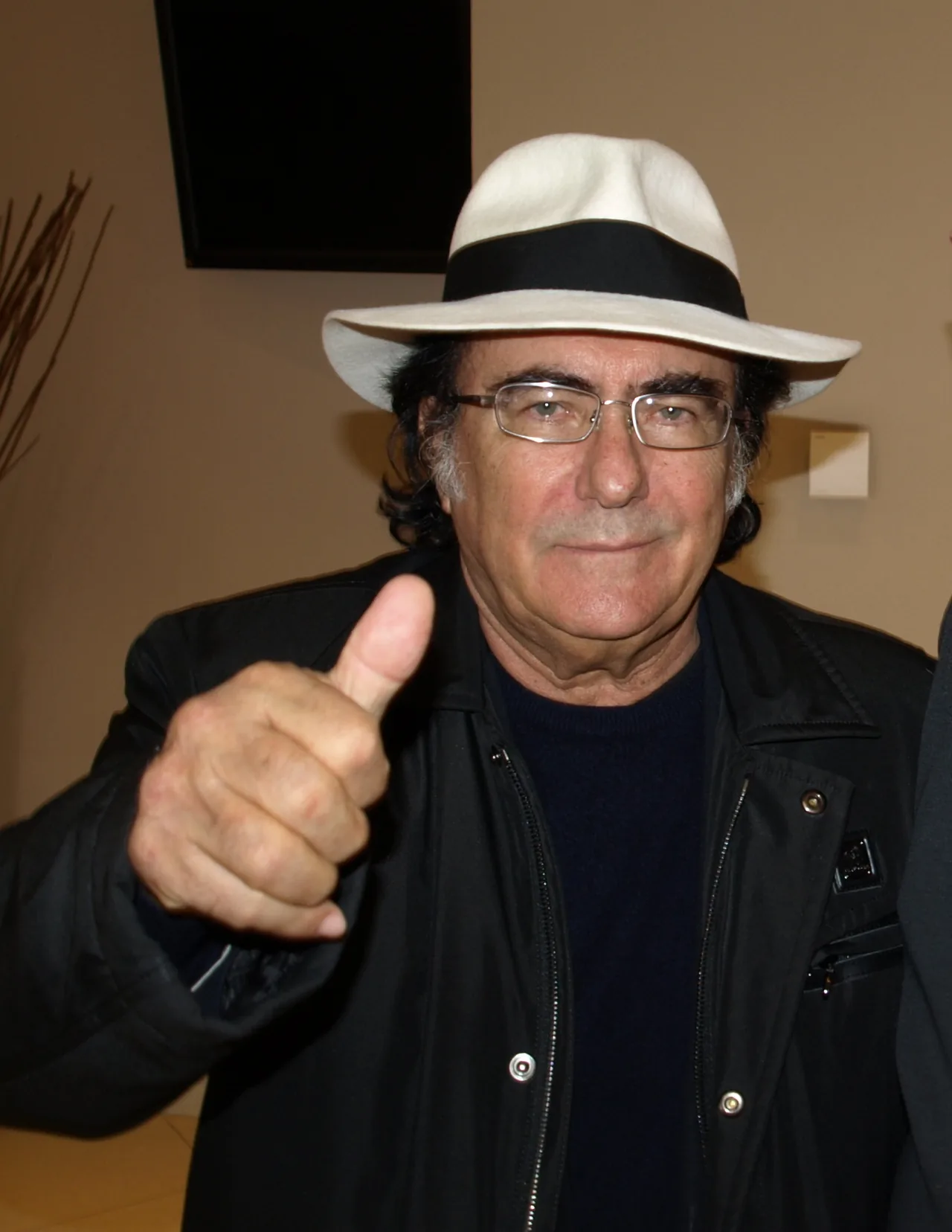
There is the Al Bano who steps onto a stage and needs just one note to be recognised. And there is the Al Bano who talks about fuel, harvests and making the accounts balance. They are two parts of the same story, which began in Cellino San Marco, in a farming family, long before the records and applause.
‘I was born a farmer,’ he recalls in an interview with Chi published online on 28 October. Today he is speaking up for farmers facing difficulties. His point concerns us even if our experience of the countryside ends at the fruit counter: those who produce our food should be able to earn a living from their work.
A promise to his father, Carmelo
To understand how personal this bond is, we need to go back to a promise. Al Bano recalls telling his father that he would build him a winery. Carmelo, familiar with the hard work of farming, replied: ‘Dreams! Dreams! Reality is tough!’
In 1973, the business really did come into being. And a bottle bore the name Don Carmelo. In the memory the singer shares on the Tenute website, his father holds it with tears in his eyes, acknowledging his son’s stubbornness with an affectionate joke in dialect.
A name on a label can be a commercial choice. Here it also holds a story between a father and son: the young man who had promised something enormous and the parent who can finally touch it. This detail gives substance to his words today. In Al Bano’s life, the countryside has someone’s face.
The Tenute estate is still in Cellino San Marco, in the province of Brindisi, among vineyards, olive groves and woodland. His return to his roots became a tangible business, developed over the years alongside his musical career.
Milan, his first jobs and that voice
The road there, however, began with leaving. As a young man, Al Bano left Puglia for Milan, hoping to follow in Domenico Modugno’s footsteps. Before finding success, he did various jobs to support himself; then came his connection with Adriano Celentano’s Clan and a contract with EMI.
In 1967, Nel sole brought him widespread success. Knowing what followed, it is easy to tell those early years as though everything had already been decided. For the young man newly arrived in Milan, his future was still something to build. That also makes his relationship with home interesting: the place he left remained part of his plans for life.
Why are groceries expensive while farms struggle?
In the interview, Al Bano highlights rising expenses and invites political decision-makers to learn about agricultural work first-hand. He also acknowledges his own advantage: music has allowed him to support his connection to the land financially. Many producers do not have that option.
This deserves a closer look. Faced with a hefty grocery bill, it is natural to wonder how farmers can also be struggling. The price we pay in a shop and the amount producers receive are different figures. ISMEA monitors them separately, distinguishing farm-gate, wholesale and retail prices, and also tracks the costs of production inputs.
The difference includes stages and services such as transport, storage and distribution. To understand what a farm has left, we also need to consider its production expenses. A till receipt alone does not tell us its earnings. This distinction helps us hold two real concerns together: those of families buying groceries and those of people working on the land.
A future people can choose
There is also the question of young people. Al Bano fears that financial difficulties are pushing them away from farming. This is a concern he voices in the interview: it deserves to be heard without turning into a verdict on an entire generation.
Asking a young woman or man to continue a family business also means talking about income, investment and the chance to build a life. The attachment to a place can be powerful; choosing to work there requires prospects. This applies to farms, workshops and small businesses alike. Passion becomes a future when there are conditions that allow it to last.
Caring for the land means caring for people
For those who bring faith into everyday life, this story connects with a specific call. In paragraph 129 of Laudato si’, Pope Francis asks public authorities to support small producers and diverse forms of production. Caring for creation includes work and the opportunity for communities to continue living on and cultivating their land.
Our everyday lives also leave room for practical attention: learning where our food comes from, asking a producer a question when we have the opportunity, and planning our shopping to waste less. Each of us according to our means, without making the shopping basket a test of goodness. Economic and political responses remain necessary.
We know Al Bano’s hat, his voice and the choruses that emerge at family gatherings. This story leaves a smaller image: his father holding a bottle. Perhaps that is where it comes closest to us. When we fulfil a dream, sometimes what we most want is to show it to someone who saw us begin.
From the land to the table, food connects us. To discover two practical ways to share it, read A little extra shopping for someone who needs it and HERE YOU CHOOSE YOUR GROCERIES. EVEN WHEN YOU NEED HELP..