MARY, YOUR BODY WAS NEVER A MINOR DETAIL.
“Have you lost weight?” “When are you having a baby?” “You still look wonderful for your age!” Sometimes one family lunch is enough to make your body the centre of a conversation you never chose. Everyone has an observation. You only wanted to pass the bread. What if nobody asked you to explain yourself for a moment?
A whole woman, even when people see parts
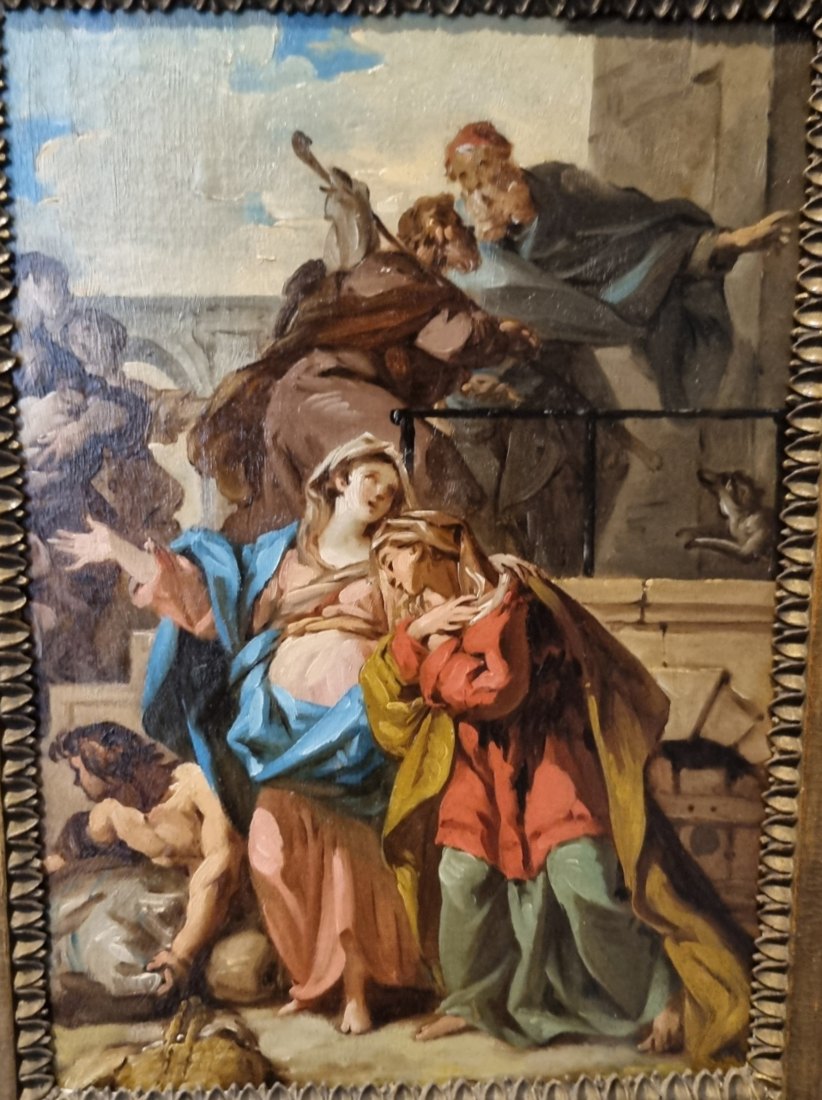
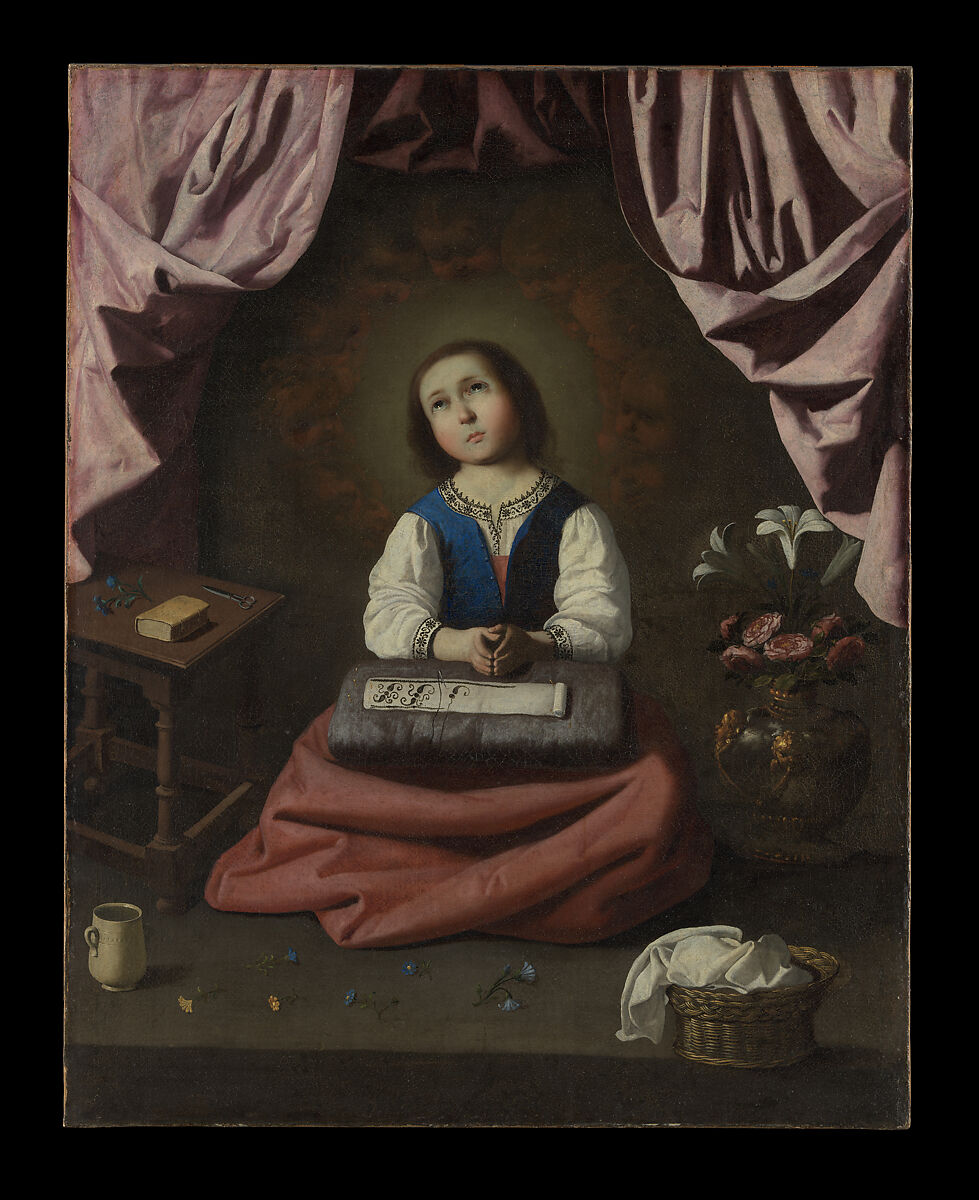
Looking at Mary, we risk repeating a familiar habit: keeping a delicate image while letting the woman fade into the background. Her body disappears, as though it were insufficiently spiritual. Yet Christian faith speaks of a Son born of her. That is not an optional illustration added to a story consisting entirely of ideas.
The Catechism, paragraphs 488 and 511, connects the body prepared for the Son with Mary’s free cooperation. Catholic tradition does not present her as an unaware vessel. Her response belongs to salvation history: a person listens, asks a question and freely welcomes what is being asked of her in faith.
This does not authorise us to invent how Mary experienced each physical change, what she felt in childbirth or what she thought before a mirror. The Gospels provide no diary of those sensations. We can take their account seriously without filling its silences with details that happen to seem plausible or emotionally appealing to us.
God enters concrete human life
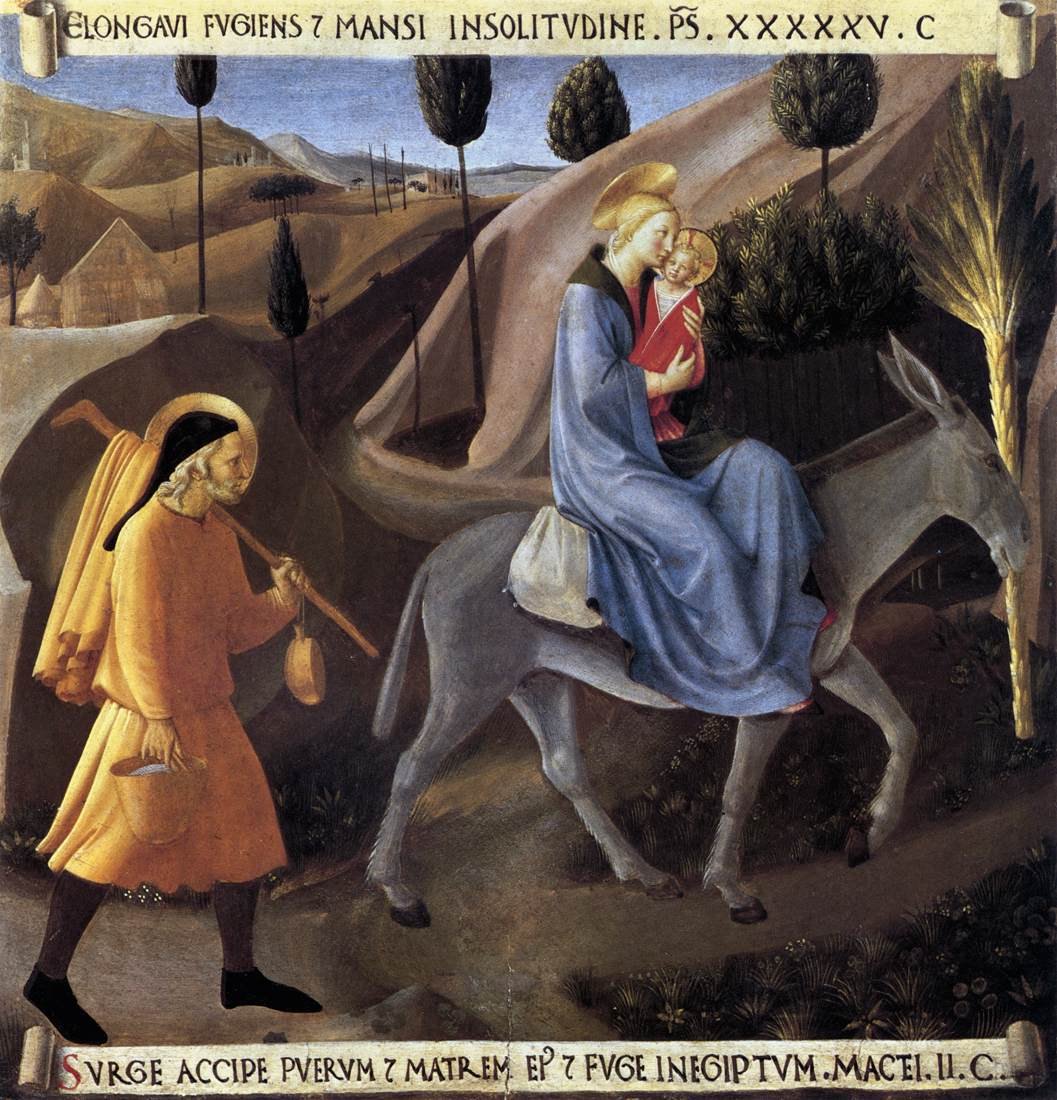
In Luke 2:6–7, Mary gives birth to Jesus, wraps him and lays him in a manger. These are essential, bodily gestures of care. The Christian account of the birth places us before a human life needing welcome. It does not ask us to despise matter as an obstacle to spiritual things.
The Church professes Mary’s divine motherhood and perpetual virginity. Keeping that teaching does not require erasing her body or turning it into a standard for judging other women. Her vocation is unique. Every woman’s dignity does not depend on reproducing Mary’s particular story within her own circumstances, relationships or possibilities for having children.
If we take the Incarnation seriously, how do we speak about the bodies we encounter? Which jokes do we accept? What explanations do we demand from somebody who never asked for an opinion? These are everyday questions. They can concern an affectionate conversation in which nobody consciously intended to cause harm.
You do not owe the table every detail
You might be pregnant, want a child, be unable to have one or have no plans about motherhood to share. You might be experiencing illness or changes you do not want to explain. Not knowing the reason for a change should make us more respectful rather than more persistent in seeking an answer that satisfies our curiosity.
“I would rather not discuss it” is a complete sentence. You can say it kindly, when you can, and repeat it when necessary. You do not owe an intimate story in exchange for privacy. Even people who love you can learn that certain questions, at this particular time, are not helpful or welcome.
We can learn to redirect our attention too. Rather than commenting on weight, ask about a project. Rather than interpreting silence as coldness, leave room. Rather than asking when a baby will arrive, listen to the life somebody chooses to describe. The conversation need not become less affectionate. It can become a more freely shared meeting.
Motherhood is not a ranking
Honouring Mary does not mean creating a hierarchy between mothers and women without children. Catholic faith recognises different vocations. Actual life is more complicated still: it includes waiting, choices, losses, relationships and missed possibilities. Nobody should have to display their wounds to explain their place within a category or justify why life has unfolded differently.
Mothers should not constantly be compared with an imagined perfection either. Tiredness is not a failure of love. Asking for help does not cancel care. We can look to Mary as a presence in faith without using her to tell a woman to remain silent, endure everything or manage every responsibility entirely by herself.
A person is more than her role and more than somebody’s judgment of her appearance. That understanding can change small gestures: asking before touching a pregnant belly, declining to post a photograph without permission, holding back a comment. We need not wait for a major debate before beginning to treat somebody with greater attention in ordinary encounters.
How we hear an answer matters too: without immediately correcting it or telling somebody else’s story to diminish it.
Returning to an image of Mary
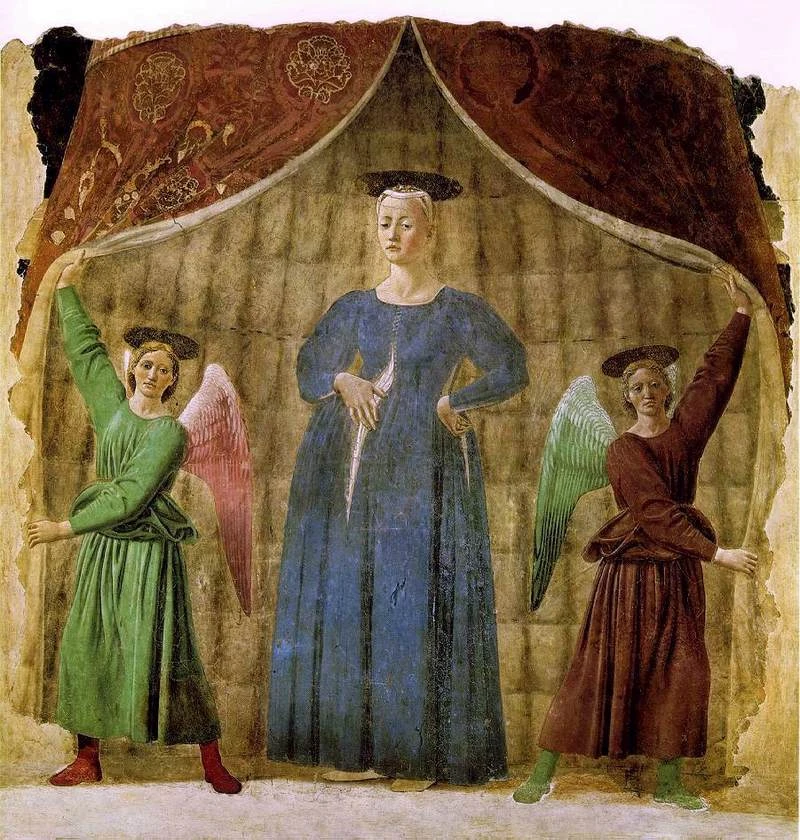
Piero della Francesca’s Madonna del Parto, chosen to accompany this article, offers an artistic image of a pregnant Mary. It is art, not a photograph of her life. We can contemplate it without asking it to tell us what the Gospels leave unsaid or turning it into a physical ideal for another woman to achieve.
Perhaps today your prayer can include a simple request: Mary, help me look with respect, including at myself. You do not have to feel immediately at peace with every bodily change to deserve kindness. You can begin by avoiding a cruel word at the mirror and offering another woman a question that leaves room for her own answer.