MARY WAS A LITTLE GIRL TOO.
Every so often, a photograph turns up. An uneven fringe, shiny shoes, a very serious expression in front of a birthday cake. You look at it and struggle to remember that the little girl is you. People who know you now see the things you do: working, accompanying, deciding, organising. In that photograph, so much was still ahead of you.
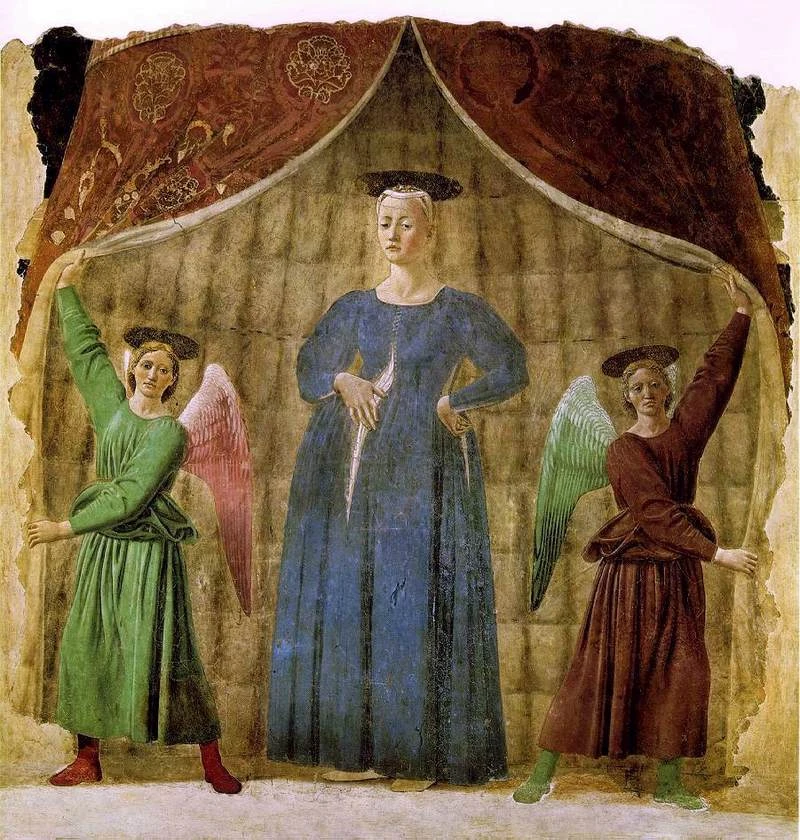
Mary was a little girl too. It sounds obvious, yet how rarely we pause over it. We usually meet her at the Annunciation, holding Jesus, or standing beside the cross. Images of Mary as a child open a different space. They invite us to consider a life before the moments for which it will be remembered.
A page the Gospel leaves open
The canonical Gospels do not give us a detailed account of Mary’s childhood. We cannot reconstruct her days, habits, or childhood words. Even when an image moves us deeply, that boundary remains valuable. It helps us distinguish our tenderness towards her from historical knowledge we do not possess.
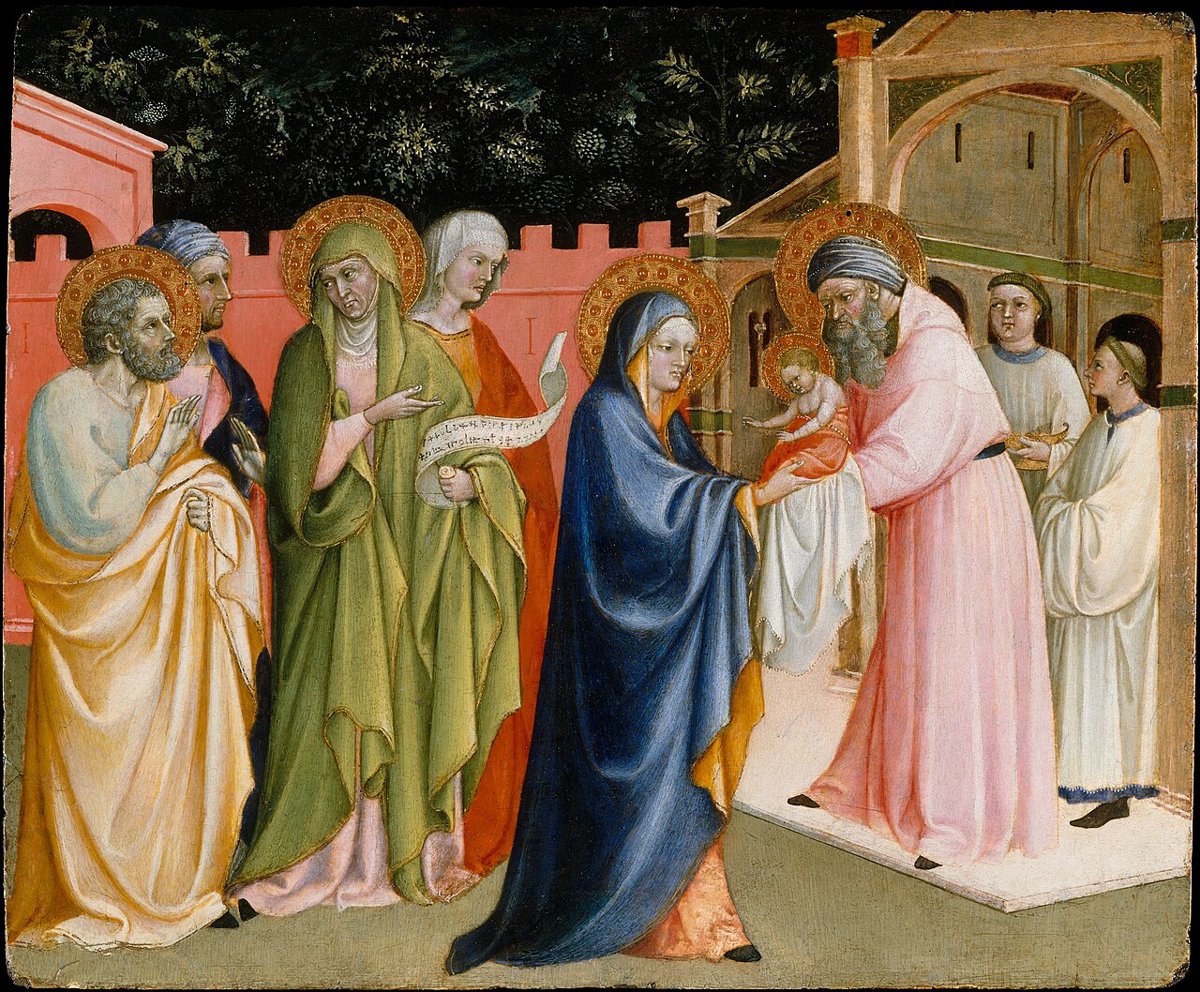
Later traditions and narratives have nourished devotion and art. The memorial of the Presentation of the Blessed Virgin Mary, celebrated on 21 November, belongs to this history. In Marialis cultus, Paul VI recognises its exemplary value and roots in Eastern tradition, distinguishing these from its apocryphal narrative basis.
The Church celebrates this memorial, lovingly kept in tradition. The Gospels leave many details of Mary’s childhood unspoken. We can approach the feast with that silence, too, and the wish to know her.
A painted child and a world of meaning
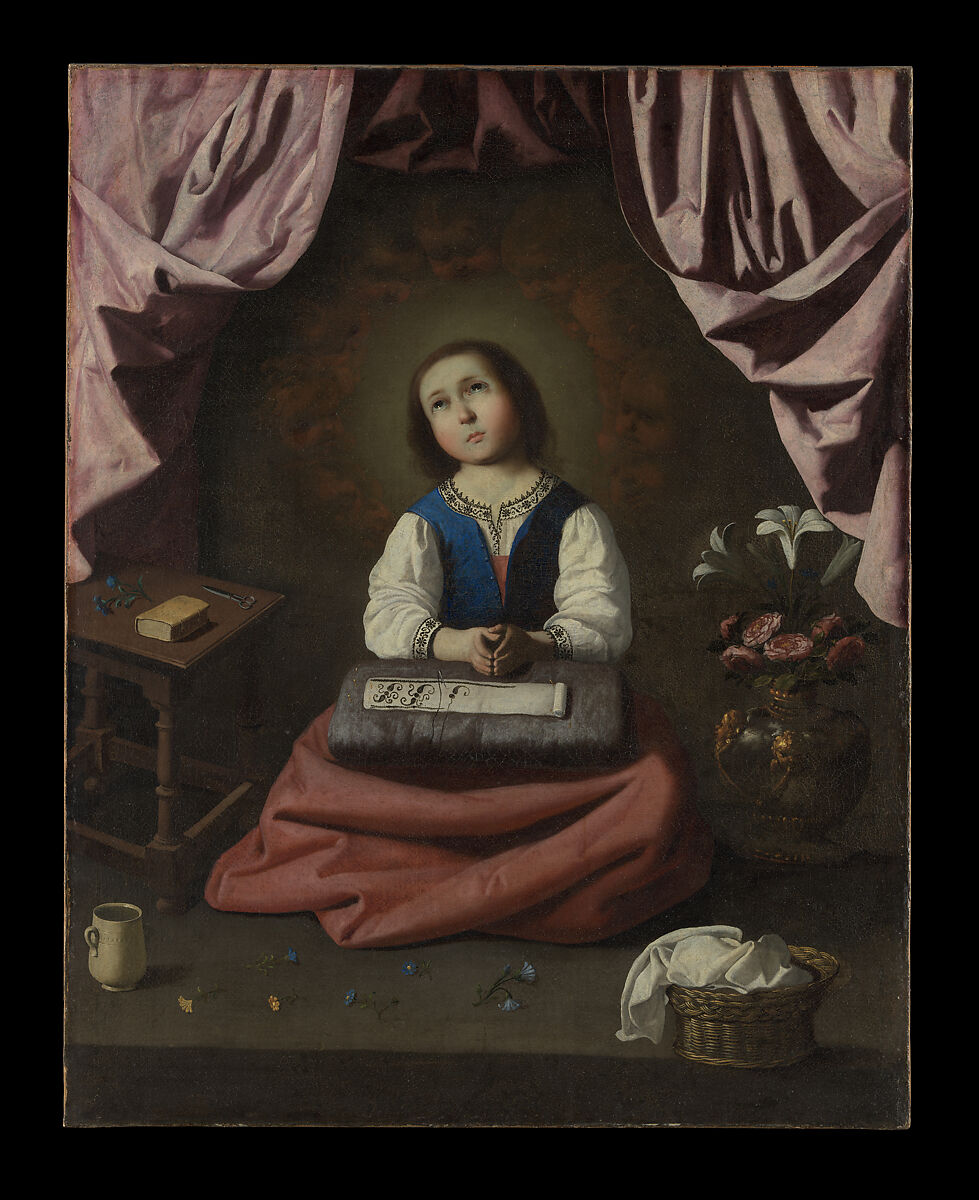
In The Young Virgin, painted by Francisco de Zurbarán around 1632–1633 and held by New York’s Metropolitan Museum of Art, Mary appears young and at prayer, surrounded by objects and textiles. The museum connects the work to a legendary tradition about her life in the Temple, explaining the educational role such images played for girls of the period.
The painting belongs to a particular time, with particular ideas about female behaviour and domestic life. Looking at it today can be interesting precisely for that reason. We can appreciate its beauty without adopting every social model of its century. We can also remember that the artist offers a devotional representation, rather than a photograph of what happened.
Then we might stay in front of the image a little longer, without demanding more than it can give. A young figure draws our attention towards a life’s beginning, its preciousness, and the time that growing requires.
The girls we look at too quickly
We often ask a little girl what she wants to be when she grows up. Sometimes the question is an affectionate game. Sometimes we start assigning parts very early: the clever one, the pretty one, the one who looks after everyone, the one who must never cause concern.
Reflection before an image of Mary as a child can begin here. How much space do we allow a person to grow without already knowing her ending? Can we take an interest in what she enjoys today without immediately turning it into a talent to develop or a task to assign?
The question matters between adults too. We can value a path without constantly asking what it will produce. A course taken out of curiosity, a book read slowly, an afternoon spent learning something new all belong in a life, even when they do not become achievements to display.
These are reflections the image awakens in us. They are not thoughts we can attribute to the young Mary. Keeping our reflection distinct from her story makes the encounter more honest.
Returning to that photograph
Perhaps, after looking at the painting, you might pick up your own photograph. You need not discover an extraordinary message, and childhood pictures do not always bring happy memories. You can simply look at that person without already expecting her to cope with everything that lies ahead.
If you feel drawn to prayer, entrust the girls you know to Mary: their opportunities to learn, play, be heard, and grow in safety. Remember those who have not received such care too. Devotion can take practical shape through today’s responsibilities.
It may be worth asking a child what interested her, rather than only whether she behaved well. Listen to a story without a useful conclusion. Let her change interests. We do not need to extract these everyday attentions from Mary’s biography to recognise their value. Encountering a sacred image can raise questions about our own lives; responding remains our responsibility, through actions suited to real people, respecting their age, freedom, and pace.
As 21 November approaches, Mary as a child gives us a reason to pause in our looking. Before rushing towards the decisive moment, we can recognise the value of an entire life. Including the pages we cannot tell. Including those we can respectfully leave in silence.