THIS FABRIC WAS WAITING. NOW IT HAS A STORY TO WEAR!
Fashion Beyond Waste ended on 29 October: a Milan project helps explain deadstock, reuse and recycling, and invites a closer look at clothes.
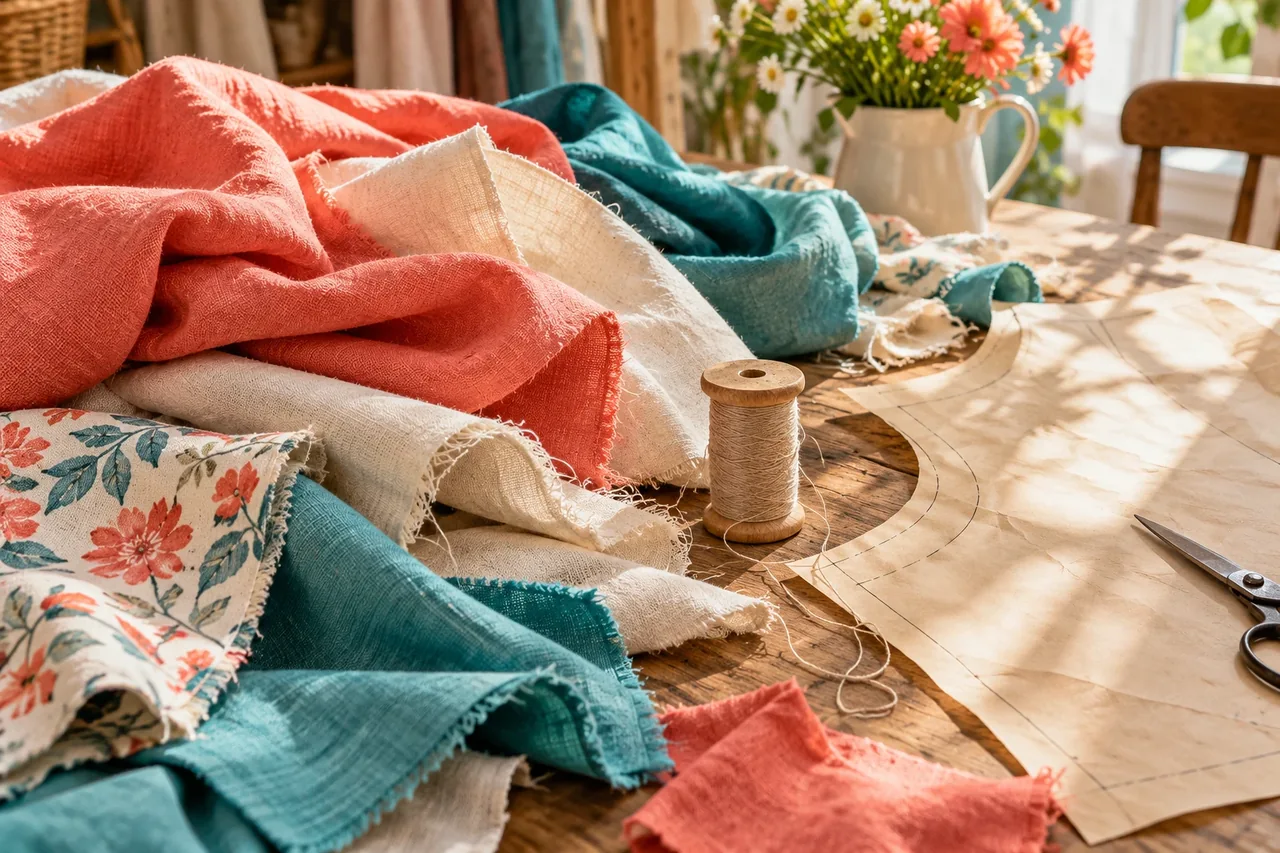
A roll of fabric on a shelf. A colour left without a collection, a quantity that no longer matches the original plan. Before imagining a dress, we can start here: with a material that already exists and is waiting for another chance. It is an intriguing starting point because it changes the question. Not just “what do I want to create?”, but also “what could I invent with what is in front of me?”
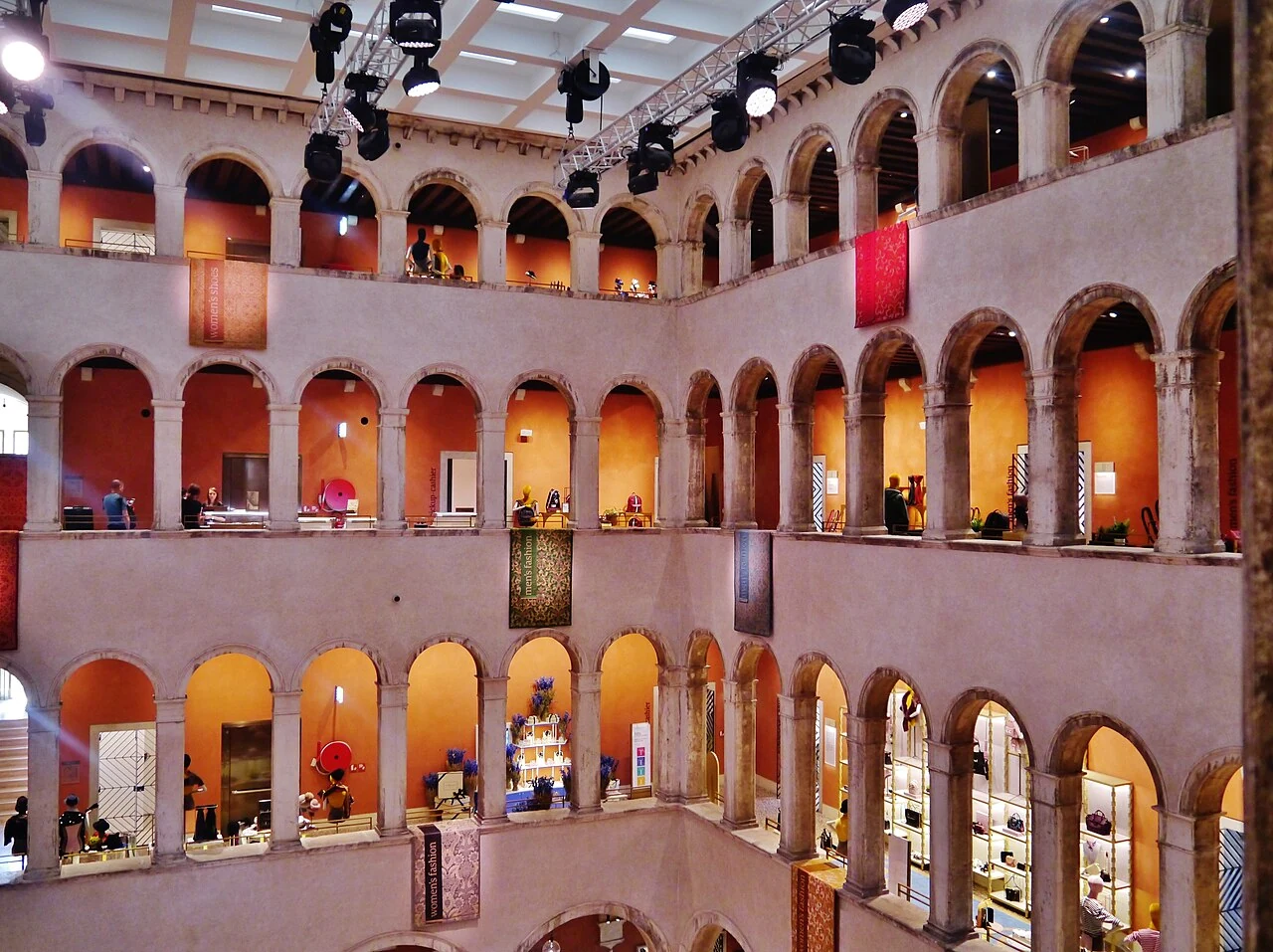
Fashion Beyond Waste, a project conceived by Zerow, was scheduled at Milan’s Fondazione Sozzani from 27 to 29 October 2026. It presented capsules by eight brands using deadstock fabrics and leathers, alongside works by Enrica Borghi. The event has ended: we are exploring the idea behind it, rather than recommending an exhibition you can still visit this weekend.
Let us unpack the word deadstock
In the Milan project, “deadstock” refers to materials left in warehouses and made available for creative work again. It does not automatically mean a garment somebody else has already worn. The starting point here can be fabric that has not yet become clothing. Remember that when reading a description: terms connected with recovery can describe different journeys and are not interchangeable.
Imagine three things: a jacket bought from a previous owner, fabric left unused, and a fibre produced through recycling. The first is a second-hand garment; the second is a stock of material; the third involves a transformation. Making the distinction helps us ask better questions, without awarding a word a medal before understanding what it actually describes.
When the material suggests the garment
The project brought together Alchètipo, Florania, Giorgia Fratta, Hooded, ID.EIGHT, Oh Carla, Pecoranera and Simon Cracker. Available materials shaped the creative choices, alongside Borghi’s work with reclaimed materials in art.
As readers, we can pause over the process. A limited quantity might suggest an insert rather than an entire dress; two colours might meet in an unexpected combination. Those are examples of design possibilities, not details we are attributing to these capsules without documentation. The pleasure lies in asking how a choice takes shape, rather than going straight to the finished product and the button to buy it.
Recovered is not an answer to everything
Knowing that material was already available is useful information. Describing a whole product’s environmental impact, however, would require other details: processing, transport, care, lifespan and end-of-life management. We cannot fill gaps in our knowledge with the word “sustainable”. A recovery story can be told precisely without turning it into a promise of an object with no environmental consequences.
“Recycled” deserves a careful reading, too. Which material does it refer to? What percentage? Does the statement concern the fabric, one part of the garment or just its packaging? If details are missing, we can ask. A question does not spoil the pleasure of looking at clothes: it helps us understand what is being offered and decide how much weight to give each piece of information.
Five questions to take to the shop
Where does the material come from? Which part of the garment uses that stock? What is its composition? How should it be washed? If a seam or fastening breaks, can it be repaired? You do not have to deliver all five like an interrogation. Start with what matters to you and give the shop time to answer, perhaps by checking a more detailed description.
When shopping online, keep useful information alongside the model name. A precise description is more interesting than a grand adjective beside a photograph. Look at measurements, return conditions and required care, too: a garment you cannot wear or manage in everyday life risks remaining unused. The fabric’s story should not make your own experience disappear.
The little workshop is already in your wardrobe
The project can inspire something without a purchase. Is there a shirt with a missing button that you keep putting off fixing? A jacket you love but no longer combine with anything? Choose one piece and imagine the next step: repairing it, trying a different pairing or asking a tailor for advice. If you will not use it, find a real recipient before preparing a donation.
You do not have to call everything “upcycling” or feel obliged to invent something spectacular. Sewing on a button can already return a garment to your daily life. If a job needs skills you do not have, giving it to someone who does is a sensible choice. No tutorial should persuade you to cut into a much-loved garment before checking whether the alteration suits its material.
Something new can start with what is already here
We like the question this Milan event leaves behind: what changes when creativity meets a practical limit? We can take it beyond fashion without making it a competition over who does best. Sometimes a limit suggests a solution; at other times we have to recognise that a project does not work. Looking at what is available is an invitation to curiosity, not a magic formula.
The next garment that catches your attention deserves an extra moment. Ask where its material comes from, touch it when possible and explore how it was constructed. Perhaps you will buy it; perhaps not. Either way, you will have learned something about its journey. A story to wear can be interesting before it becomes ours, and help us look differently at what is already waiting at home.