Jude Thaddeus: wait, which Judas? And who is Simon?
On 28 October, the Church remembers two apostles we may know less well. A name to distinguish, a question put to Jesus and a story inviting us to look beyond labels.
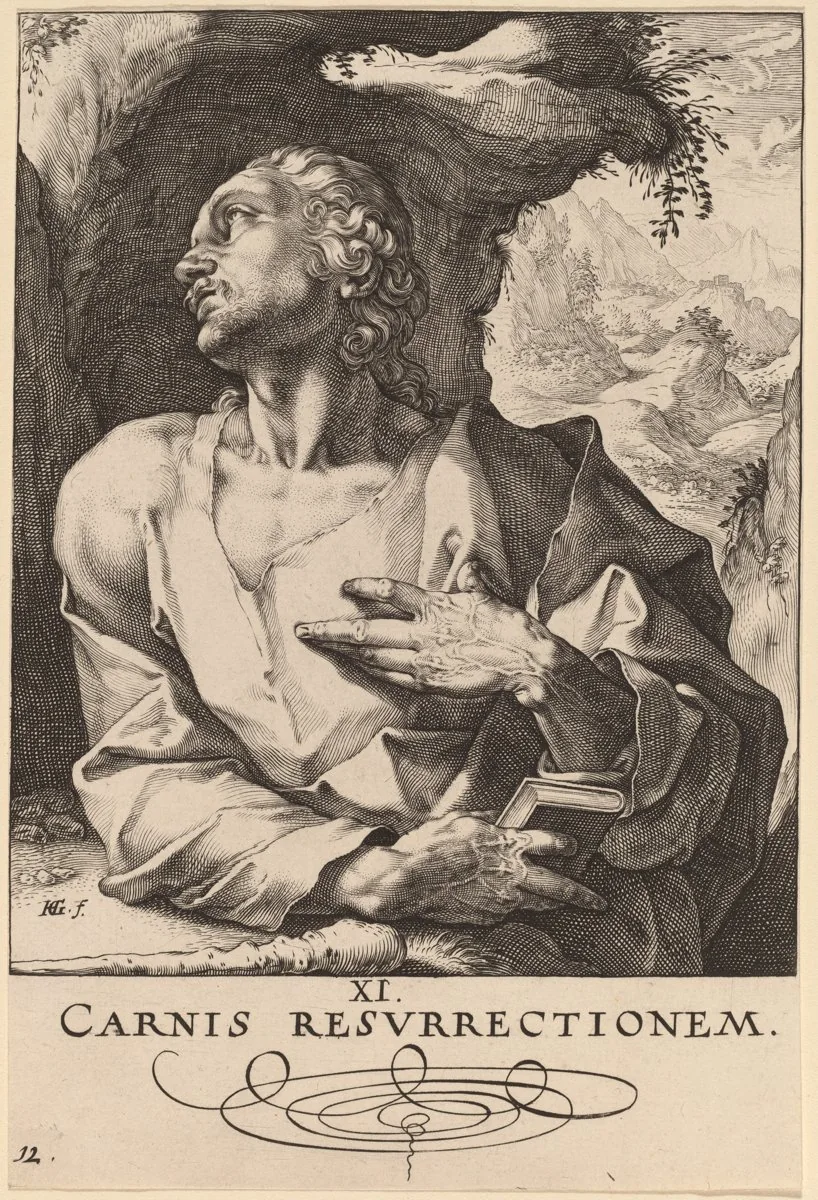
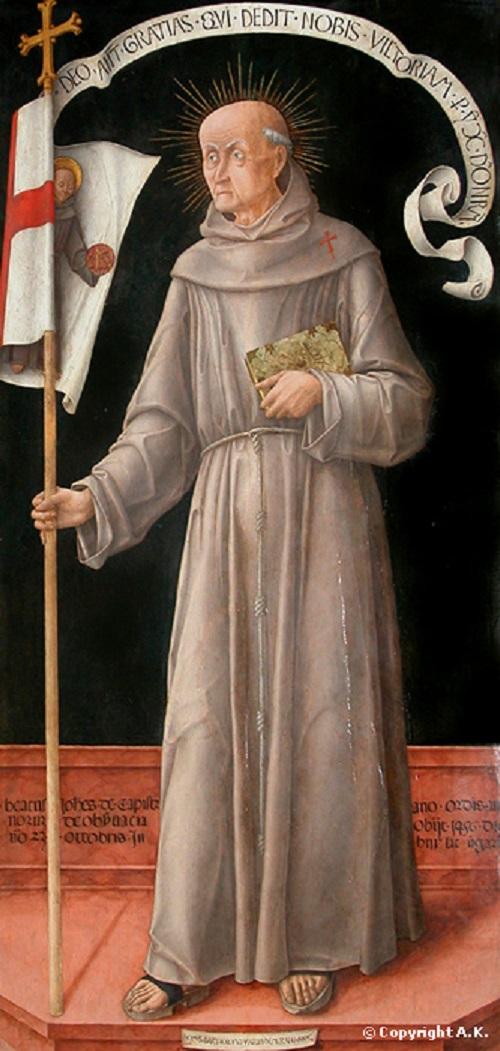
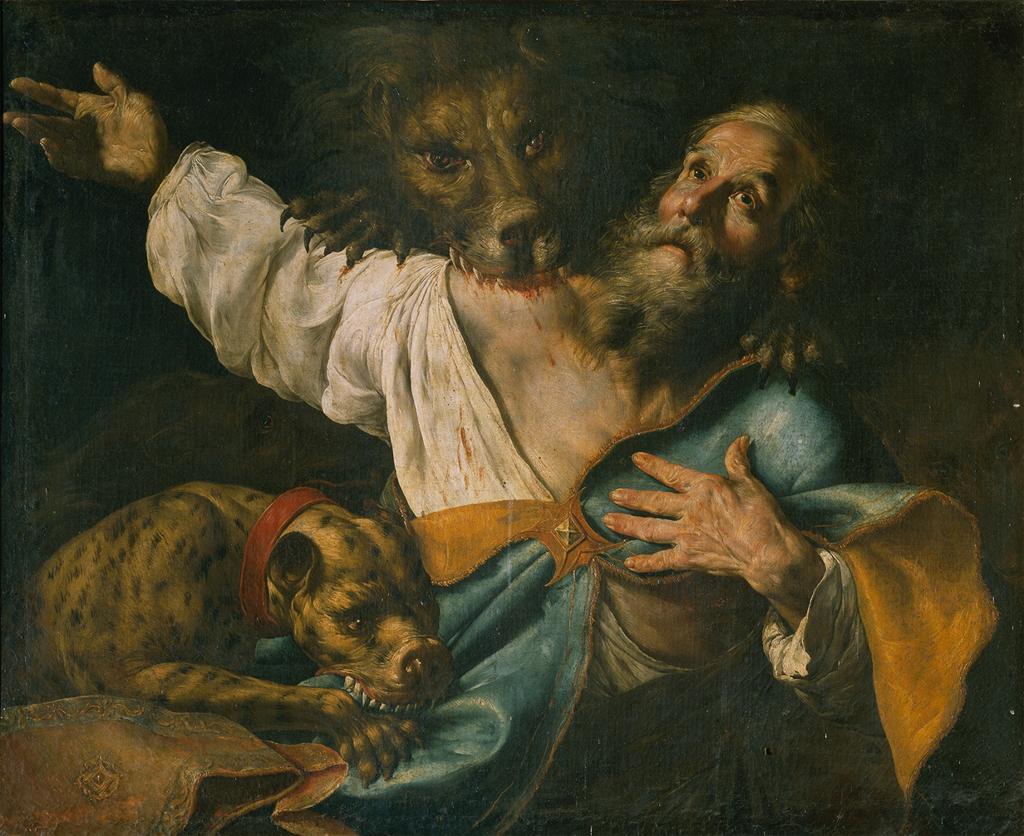
Judas. You read the name and think you already know the story. Then another name appears, Thaddeus, and you pause: wait, which Judas? The one the Church remembers on 28 October is Jude Thaddeus, one of the Twelve apostles, a different person from Judas Iscariot. Simon is celebrated on the same day.
Two names perhaps less familiar than Peter or John. Yet look closer and you find a detail that touches the heart: Jude asked Jesus a question. He was there, at the Last Supper, and still needed to understand. If your faith sometimes includes question marks, you can begin getting to know him here.
28 October: two names in the calendar
The feast brings together two apostles about whom little is known. We meet them as witnesses to the Gospel, alongside the traditions that grew around their mission.
To encounter a saint, we do not need to fill every silence with a spectacular episode. We can start with what has reached us and give it time to speak. Sometimes a passage of the Gospel, read slowly, is enough to make someone feel less distant from everyday life.
A name tells us little about a person
Matthew and Mark record the name Thaddeus, while Luke uses Judas of James. In his catechesis of 11 October 2006, Benedict XVI explains how tradition brought these names together as Jude Thaddeus. Different interpretations of the additional name are mentioned, without presenting one as definitively certain.
That may sound like a matter for experts. Instead, it offers a very simple gesture: pausing before confusing people. Allowing someone their own story. How often in life do we find ourselves inside a ready-made judgement built from a name, an episode or an impression?
Perhaps you have wished someone would ask you a question before deciding who you are. Wanted to explain there was more than a badly phrased sentence or a difficult day. This distinction between two names can also become a small exercise in gentleness.
That question, at the table with Jesus
John 14:22–23 preserves Jude’s question: why will Jesus reveal himself to the disciples and not to the world? The answer speaks of love, keeping Jesus’s word and the Father and Son making their home with the person who loves him.
It is a conversation worth reading in full. We encounter a question that remains in the account. We, too, can stay there with our wish to understand and with what still escapes us. Without immediately searching for a beautiful phrase to say to God.
Perhaps your question begins with “why”. Perhaps it is smaller: how can I trust today? How do I bring disappointment into prayer? How do I seek you again after a time when I felt far away? You can entrust those words to God, even when you cannot arrange them neatly.
And Simon? Faith with energy and commitment
In the Gospels, Simon is called the Cananaean and the Zealot. In his catechesis, Benedict XVI connects these names with zeal and dedication. Specific membership of the Zealot movement is not stated as an established fact.
This detail invites us to consider faith’s energy without inventing Simon’s personality. Passion can become availability, listening and perseverance. It can help us remain beside someone when the early enthusiasm has passed and a very practical act of service remains to be done.
Among the apostles we find different people. That variety can raise questions about our communities, friendships and the small groups in which we feel at home. Is there room for those who speak less? Those arriving with different questions? Those needing time before they trust?
A feast to bring into your day
On 28 October, you can spend a few minutes with these two names. Open John, reread the Last Supper conversation or look up the catechesis. If you want to attend Mass, check your parish times. The calendar can become a gentle invitation, a moment to keep among the tasks of the day.
You could also choose a gesture: listening to someone fully, clearing up a misunderstanding or asking instead of assuming. Then make a little room for God, perhaps with the question that has been accompanying you for days.
An original prayer by CHIARA!, not a liturgical text.
Your question can be a beginning
Simon and Jude Thaddeus leave us wanting to know them better by turning to the sources. We do not know everything about them. But we can carry with us that name finally distinguished, that dedication and that question addressed to Jesus.
If you have few words tonight, you can begin with one sincere sentence. Open the Gospel. Pause. And give yourself time to listen, even without knowing what you will find.