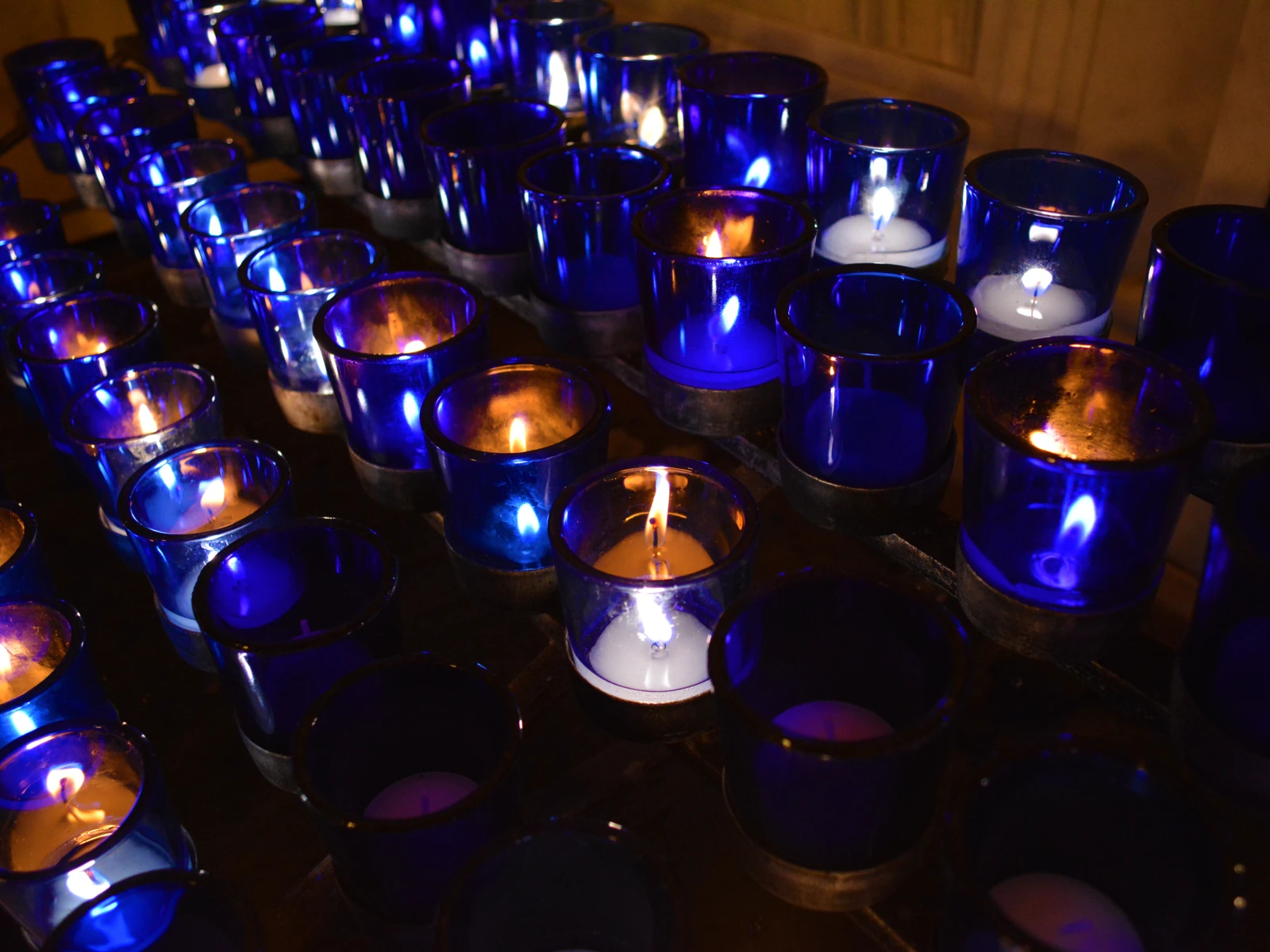
Wait, has Advent already started in Milan?
In 2026, Advent begins on Sunday 15 November in the Ambrosian Rite and Sunday 29 November in the Roman Rite. One counts six Sundays before Christmas, the other four. Christmas Day is 25 December in both.
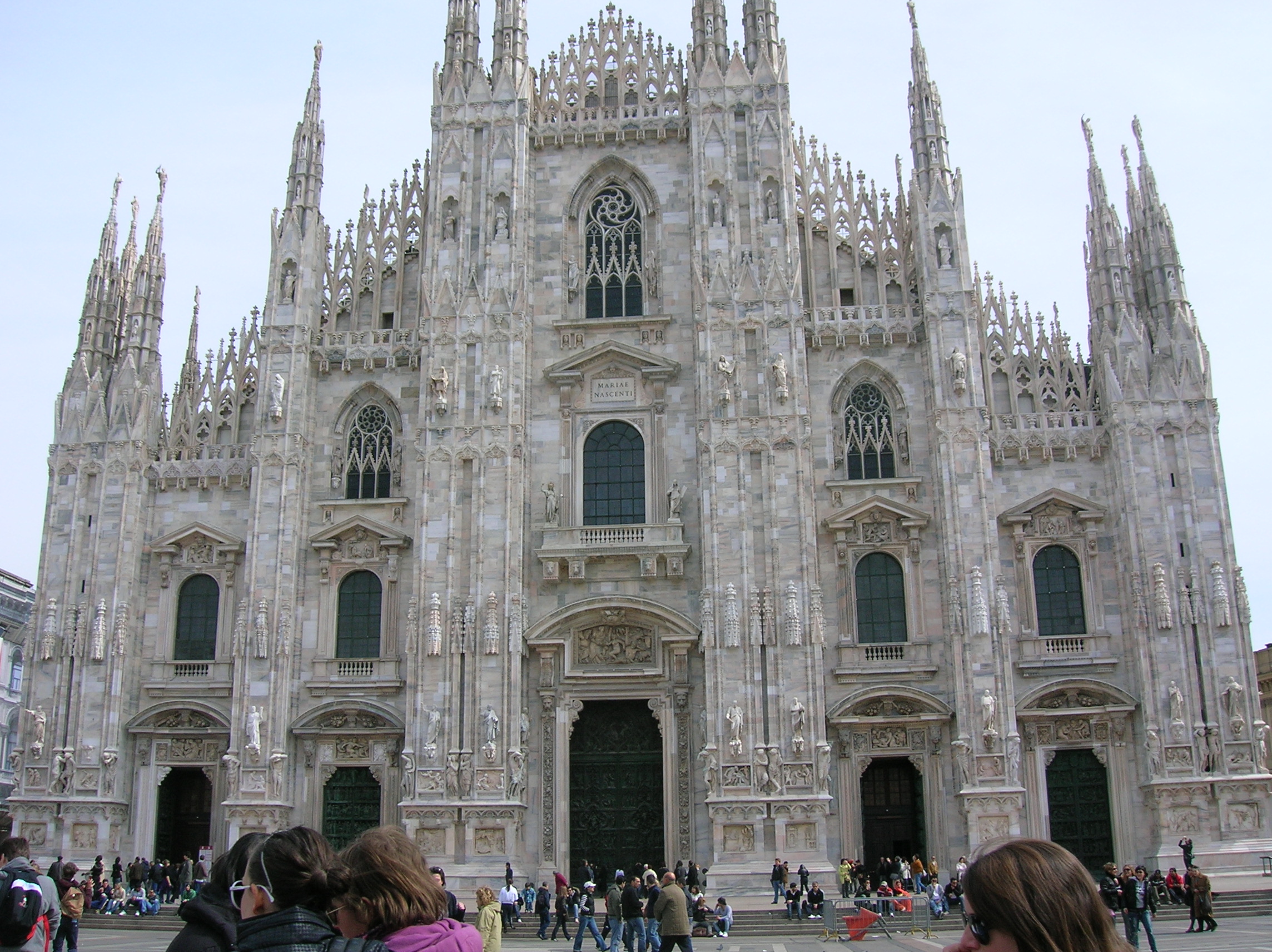
A friend in Milan texts you: “Advent starts here on Sunday.” You’ve marked 29 November, so you send her a screenshot of your calendar. She sends one from her parish: 15 November. Before either of you starts trying to work out whose calendar is wrong, here’s the good news: you can both keep your screenshots.
Why does Advent start earlier in Milan?
The Ambrosian calendar, followed in Milan and in many parishes in its archdiocese, keeps six Sundays of preparation for Christmas. The first is the Sunday after Saint Martin’s Day, which falls on 11 November. In 2026, the 11th is a Wednesday. The next Sunday is the 15th.
The Roman calendar, used in most Catholic parishes in Italy, has four Sundays of Advent. In 2026 they are 29 November and 6, 13 and 20 December. Those same Sundays are part of Advent in the Ambrosian calendar, which also includes 15 and 22 November. So on 29 November your friend can be on her third Sunday just as you’re getting to your first.
The two rites are two ways the Catholic Church celebrates its liturgy. The calendar is where you may notice the difference first. You can also hear different readings at Mass on the same day, depending on the rite. In the Ambrosian tradition, the waiting is spread over six Sundays; in the Roman tradition, over four. Counting Sundays makes more sense than counting back a fixed number of days from Christmas: the gap between a Sunday and 25 December changes from year to year.
Which calendar does your parish follow?
If you’re going to Mass in an unfamiliar parish in November, the easiest thing is to check the Sunday bulletin or the parish website. In areas where both traditions are found, ask the church you’re planning to visit. Being in the Milan area is a useful clue; the parish’s own calendar gives you the answer you need.
Here’s something you could try with the friend who sent the screenshot. On Sunday 29 November, send each other the first line of your church bulletin. Hers might say “Third Sunday of Advent” while yours says “First Sunday of Advent”. It’s the sort of difference that makes more sense in a conversation than in a chart. You could tell each other what stayed with you from the Gospel that morning, too. You’re both getting ready for the same feast, and each of you might notice something different along the way.
If you’re looking for something to follow from home, the Archdiocese of Milan is offering its Kaire Advent series in 2026, with a short daily prayer led by the archbishop from 15 November to 23 December. You can follow it on the diocesan channels online. The first week takes its cue from St Francis of Assisi in the year marking eight hundred years since his death. For anyone following the Milan series, that first prayer comes while other parishes are still waiting for Advent to begin.
What about the calendar with the little doors?
The one you open on 1 December, trying not to drop the chocolate from the next window, follows a different habit: counting the December days until Christmas. Advent in church begins on a Sunday. In 2026, by the time you open the first door, it’s already started in both rites. You can keep one calendar on the kitchen shelf and use the parish bulletin to see which Sunday it is. Each tells you something different.
Most calendars have twenty-four doors, from 1 December to Christmas Eve. Sundays in the liturgical calendar can also fall in November. So if you open a calendar with children at home, you can keep doing it the way you always have and explain why the first candle at church may already have been lit.
There’s a reason to look up those dates even if you’ve never counted the Sundays before. In the Christian tradition, Advent prepares us to celebrate Jesus’ birth and looks ahead to his return. It’s more than the countdown to a party already in the diary. The readings ask us to pay attention to who is coming towards us and what we can do to welcome them.
Where could you begin? You might read Sunday’s Gospel before you leave the house, or set aside an hour to visit someone you’re always telling you’ll pop round to see. Or, the next time your friend in Milan writes, ask how Advent starts for her. She might tell you about something her family has done for years. A chat that started with checking dates might end with the two of you looking forward to Christmas together.