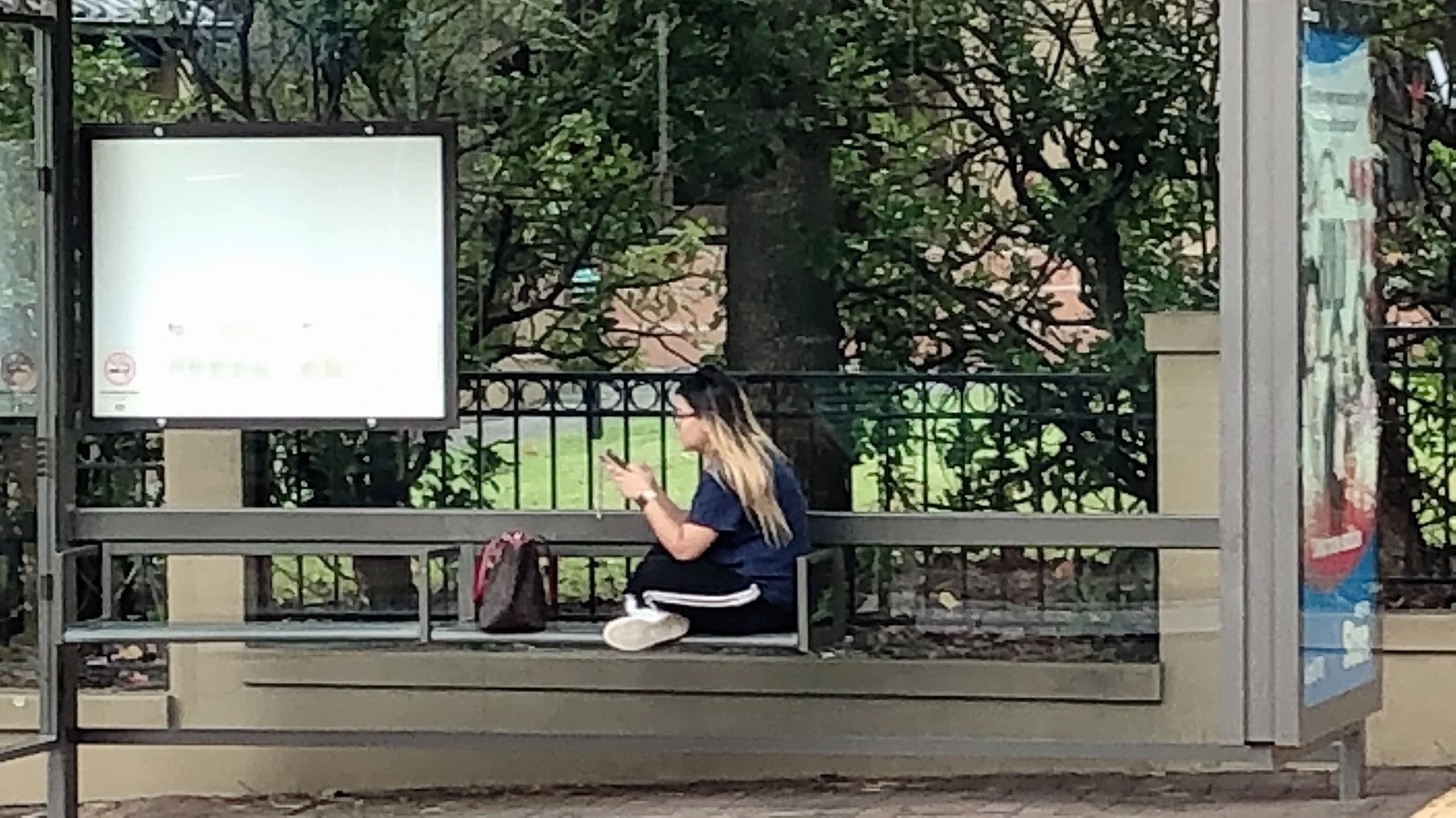
GOD, HELP ME APOLOGISE WITHOUT ADDING “BUT”.
The message begins with "sorry." Soon after, though, you're already preparing an explanation. An original prayer to recognize one's part and seek a gesture of reparation.

You wrote "sorry." Look at it on the screen and, before sending, add a sentence. I was tired. I had a hard day. You too, though. In seconds the message changes: the person you wanted to apologize to is going to receive part of your defensive process as well.
It's hard to recognize that you hurt someone. Especially when we felt hurt in the same conversation. We would like to explain everything together, re-establish every detail, make sure that no one comes out of history thinking that the responsibility was ours alone.
We can look for a different order. First, we recognize our gesture precisely. Then, if necessary and possible, deal with the rest too. A sincere apology can begin with a small phrase: that thing I said, it hurt you and I want to take care of it.
Prayer also meets the conversation left in the middle
In the Gospel according to Matthew, in chapter 5, verses 23–24, Jesus connects the offering to the altar to reconciliation with his brother. It is a page that asks us not to keep the relationship with God separate from what happens between us and other people.
It does not mean that any relationship can recompose immediately or come back complacent. He invites us to take seriously the responsibility that belongs to us. Praying can help us to look at it with more honesty and then seek a concrete step, without using prayer to send back to infinity a necessary word.
This text is an original prayer of CHIARA!, for personal devotion. You can read it before a phone call, a meeting or a message. It is not a liturgical formula and is not attributed to a saint.
A prayer before saying "Sorry"
Sir Jesus, I'm thinking of someone I hurt. I keep retracing the scene and find a lot of reasons to explain myself. Some are true, others are for me to protect pride. Help me recognize the difference.
You know my tiredness and what I was living. I'll give you all of this. I also ask you to look at the words I chose, the tone I used, the silence with which I left that person alone. Let me see what I have to answer for.
Help me apologize with understandable words. To name the gesture, instead of just saying that I'm sorry if someone offended me. To recognize the pain I caused, without me deciding how much it should weigh.
If there is anything to return, correct or clarify, please indicate a possible step. If I've told someone unfairly, give me the courage to correct. If I made a promise that I didn't keep, teach me to talk honestly about what I can do now.
Keep me from the haste to be forgiven. I would like to hear you tell me right away that everything is fine, but the other person may need time. Help me listen to a difficult answer and respect a border I didn't want.
Don't let shame convince me to hide forever. The evil I have done deserves recognition; my life can still choose good. Give me humility to start over and perseverance for excuses to be followed in behavior.
I entrust you with this report, what can be repaired and what I do not know how to deal with today. Teach me a peace capable of truth. Come with me when I say the first sentence and when, later, I have to learn to live it. Amen.
An excuse that the other person can understand
Before sending, you can reread the message and ask yourself if it really mentions what happened. Saying that you have interrupted a confidence, shared something private or spoken harshly gives the excuse a content. The other person may recognize that you are talking about that very wound.
An explanation may be helpful, but it needs to find its place. Lost sleep, pressure at work or a family concern tell the context; they do not cancel the gesture. You can share them without asking who you hurt to deal with your discomfort immediately.
The following also counts. If the problem is repeated behavior, a good phrase may not be enough. What concrete agreement can you respect? What help do you need to change? Promising less and keeping something precise can be more credible than a huge statement.
Forgiveness is not claimed in exchange for an apology
The answer may come in a few days. It may contain anger, distance, or the need to interrupt the conversation. Apologize doesn't give us control over how we're gonna be accepted. We can offer a repair and leave the other person the freedom to evaluate it.
Recognizing a mistake does not even require us to assume responsibilities that are not ours. In relations marked by intimidation or violence, security and competent support come before an attempt to resolve everything by meeting. This prayer is not an invitation to return to a dangerous situation.
For an ordinary difficulty, the first step could be just that message left in the drafts. You can take off the sentence you wanted to win the argument again. Stay with what you wish to recognize. And let your "sorry" finally have the space to arrive.