GOD, CAN I TALK TO YOU AT THE BUS STOP TOO?
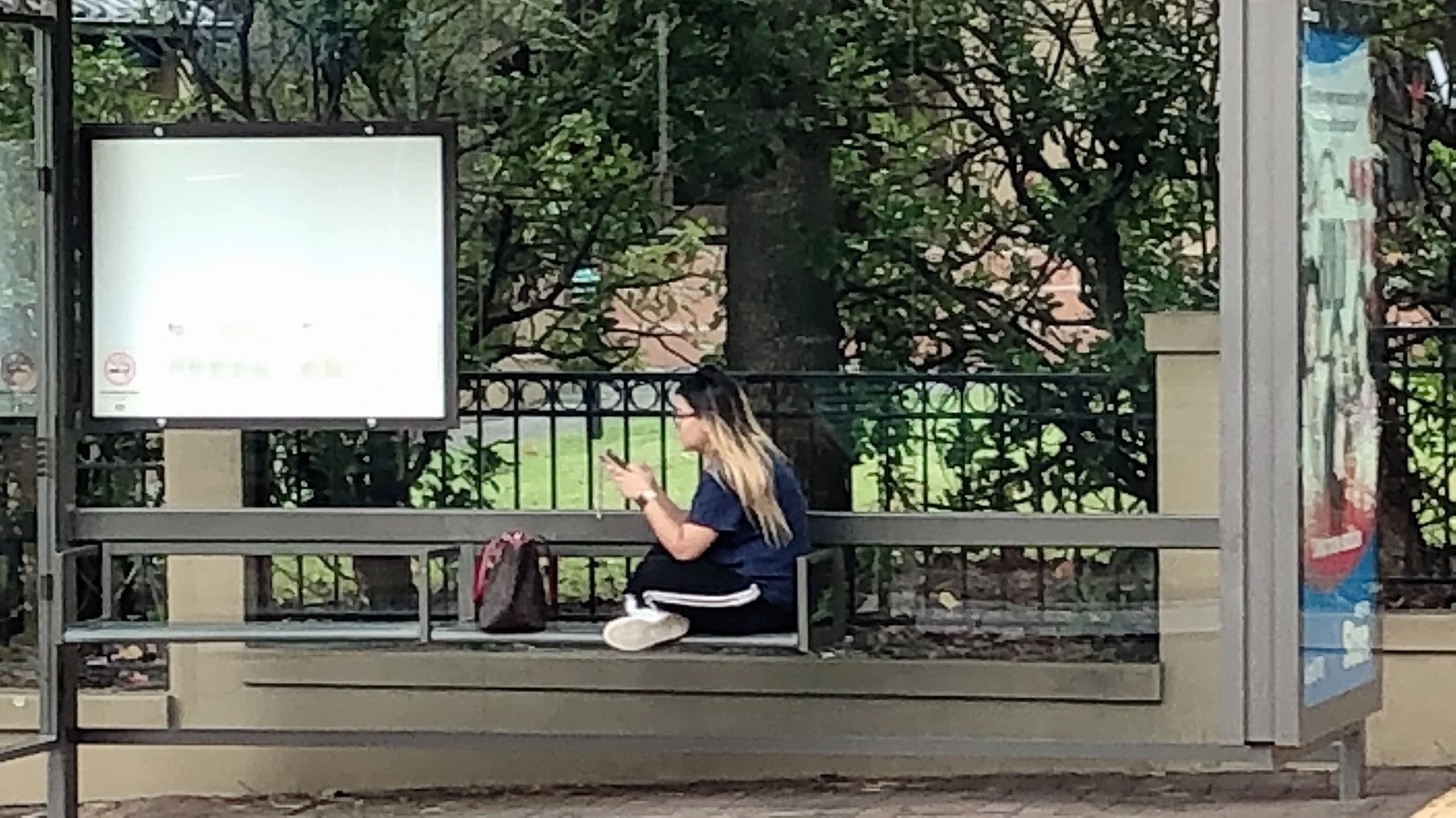
The display says five minutes. Then six. Then five again. Meanwhile you have read a message, checked the weather and thought about groceries. Somebody facing an important day comes to mind. “God, stay close to her.” A few words, standing on a pavement. Does that already count as prayer, even with everything happening around you?
You need not wait for perfect conditions
Yes: you can turn to God there. Prayer in everyday life does not always require a silent room, a candle and a free hour. These things can help, but they are not an admission ticket for being heard. You can begin with the words you have, in the place where you actually find yourself.
The Catechism, paragraph 2660, specifically describes prayer within everyday events. This is not a trick for making every wait productive. It is a relationship that can enter real time, including delays, errands and days that only partly worked out. You do not have to tidy life first to make space for it.
Perhaps you have thought: when everything is sorted, I will stop to pray. But everything rarely gets sorted together. One task leads to another. Meanwhile you can greet God, entrust a worry or give thanks for a telephone call. You do not need to become a different person before beginning to speak to him.
A single sentence can be sincere
You might say: accompany me to this meeting. Or: I am happy today, thank you. Or: I do not know what to say, but here I am. These are suggestions for personal words, not magical formulas. Their value does not depend on thinking perfectly or finding exactly the right voice inside your head.
In his teaching on everyday prayer, Pope Francis recalls God’s presence in ordinary situations. You do not have to declare every inconvenience sacred or pretend a cancelled bus is a lesson deliberately sent to you. You can feel annoyed and still address God honestly, without manufacturing an uplifting explanation for the delay.
A concrete thank-you can begin the conversation: that colleague waited for me; the bread was still warm; I laughed with someone this morning. Prayer need not become a compulsory inventory of little joys. Good things can simply enter the conversation alongside the things that frighten us, without our having to produce a particular emotion on demand.
What happens when I get distracted?
You probably will. The bus arrives, someone calls, you remember leaving a window open. You have not walked out of an exam without handing in your work. You can return whenever you want, including later. A relationship with God does not depend on faultlessly continuous thoughts or controlling every interruption that happens around us.
The Catechism, paragraph 2729, discusses distraction as a difficulty in prayer. It does not recommend spending the time hunting it harshly. You can notice where your mind wandered and return patiently, without adding another burden of self-reproach. Having noticed the interruption, you can simply begin speaking again if you wish.
If helpful, choose a small reminder: walking from the car park, the water beginning to boil, a minute before opening your computer. An opportunity rather than a deadline. Missing it does not require making up double the time. You can begin at the next moment without turning prayer into one more demanding diary to keep perfectly.
You need not fill every silence
Praying during pauses does not mean occupying every available space. You can look through the window, notice a tree or rest without formulating anything. You do not have to keep checking whether you are using time well. Learning not to treat each minute as a container needing filling may give your day room to breathe.
When driving or doing something requiring attention, keep paying attention. You need not read a prayer from your phone or close your eyes. A brief inward invocation does not ask you to stop being present to the road, your work or the person before you. Ordinary care remains part of your responsibility in that moment.
Some days the most honest sentence is: I need to deal with this now. You can. Christian prayer should not become an excuse for avoiding responsibility or a demand to stop having bodily needs. Eating, sleeping and asking for help remain practical ways of caring for the life entrusted to you and for those sharing it.
Where does church fit in?
Little everyday moments do not exhaust Christian life. The Catechism, paragraphs 2697–2699, also recalls rhythms and forms of prayer. Mass, Scripture, shared prayer and longer periods of attention can nourish the relationship that continues when you wait for your bus. These forms can support each other rather than competing for legitimacy or importance.
You need not choose between faith in church and a life left outside it. You can bring encounters into prayer and allow faith to change how you treat people. Giving up a seat without expecting recognition can give concrete expression to the attentiveness you have just asked for, in the ordinary circumstances of a shared journey.
Eventually the display changes. Perhaps the bus arrives and you board. Your sentence did not remove traffic, but you addressed God within your actual day. You can speak again: tomorrow at the same stop, perhaps, or tonight when you remember that person’s name and ask him once more to stay close to her in what she faces.