PIETRO ICHINO: HOW DO WE LOVE WHEN ILLNESS CHANGES EVERYTHING?
When we say “I will be there”, we rarely imagine every form those words might take. We picture a telephone call, a journey together, a difficult day. Then illness can change time, gestures and the ways we stay close. How do we continue loving when we cannot make everything return to the way it used to be between us?
A story shared publicly
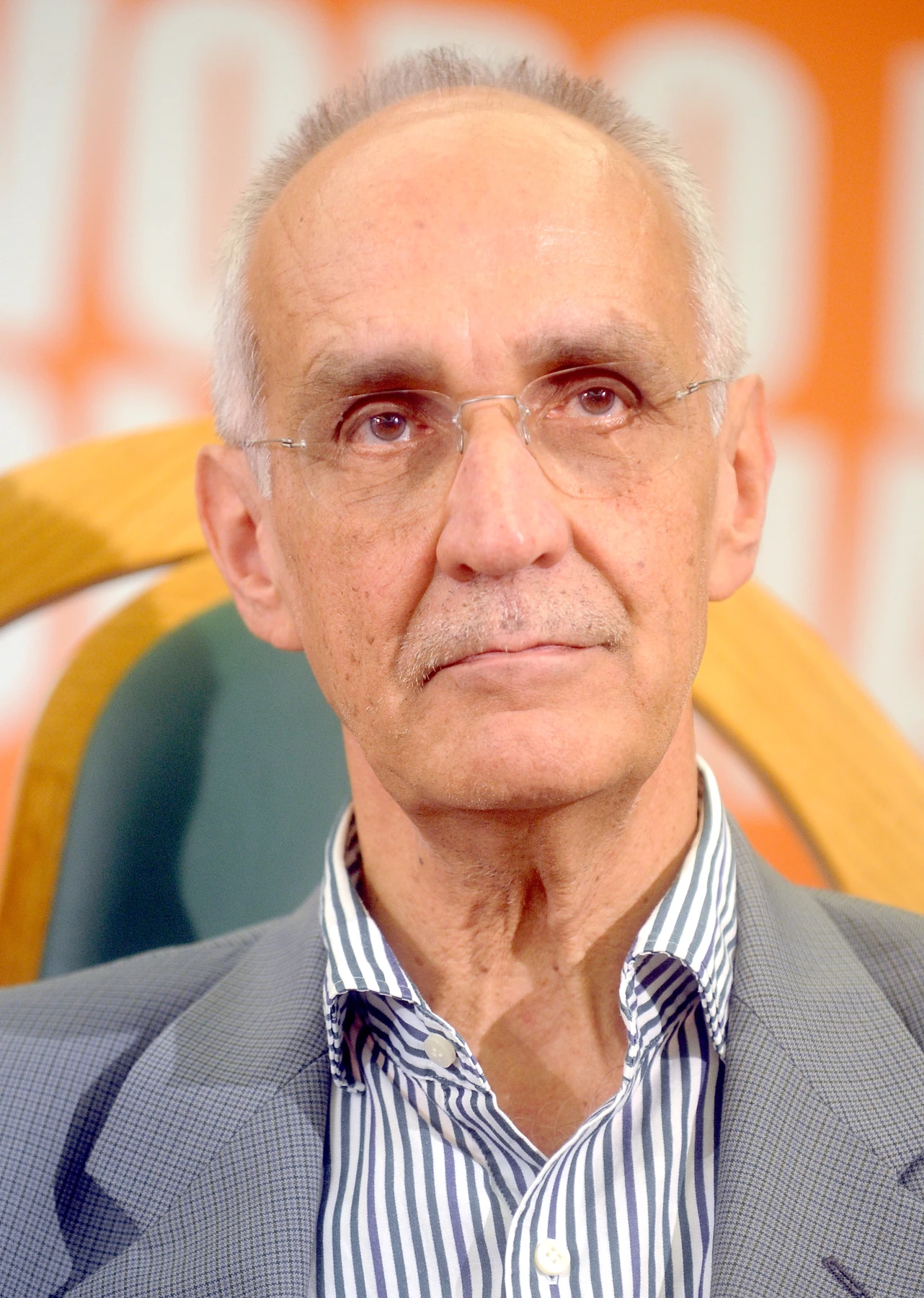
Pietro Ichino, a lawyer and academic, spoke with Monica Mondo on Soul about caring for his wife Costanza during a long illness. The episode page introduces a bond also sustained by faith.
In his reflections of 9 May 2020, Ichino describes a new intimacy that grew while caring for Costanza. Shared reading and late-night conversations gave their time together another shape as illness changed their days.
His page dedicated to Costanza recalls her work in historical research and editing the Rivista italiana di diritto del lavoro, alongside a love of books. It is worth pausing here too. Before becoming someone receiving care, and within illness itself, Costanza has a history of her own, relationships, interests and a voice that belongs to her rather than to another person’s account alone.
Love is not measured only by being able to heal
This testimony raises a question familiar to many people: what can I offer when I cannot remove what makes someone I love suffer? Sometimes we feel useless because we have no solution. That feeling is understandable. But presence can have a value that does not depend on the ability to change a diagnosis, remove symptoms or restore someone’s former circumstances.
Accompanying does not mean always knowing what to say. It can mean listening without interrupting a fear, asking which gestures are welcome, leaving a person the choices still available to them. Care should not turn someone into a collection of tasks, even when everyday tasks are numerous, urgent and tiring. A practical need never entirely describes the person who has it.
We do not know every moment of Pietro and Costanza’s life and do not invent missing parts. Their testimony can prompt reflection without becoming a recipe. Its question is not whether we could repeat their exact experience, but how to maintain attention to the particular person beside us within our own situation, resources and relationship, rather than an imagined ideal of caregiving.
A testimony is not a standard for judging others
Someone caring for another person should not find another reason to feel inadequate in these pages. Families do not all have the same resources, assistance or time. Tiredness does not measure love. Asking for support does not cancel a bond or the value of care already given. A story deserves to be heard without becoming an accusation against a reader facing different circumstances.
Ichino’s recognition of a growing intimacy belongs to his experience. It does not authorise telling somebody else that they should find a gift in illness. Nobody has to produce a beautiful meaning to make their pain acceptable to an audience. We can listen to a testimony of goodness without making it an obligatory feeling for someone passing through a different experience or stage.
Receiving care does not oblige someone to be constantly gentle, grateful or encouraging either. They remain a person with preferences, thoughts, limits, desires and difficult days. They may want to discuss a book, a news story or something funny, without every conversation automatically returning to their health. Being cared for should not erase every other part of the life they wish to share.
Where does faith enter?
Faith can inhabit a gesture and a question, prayer said together and prayer somebody can no longer formulate. It is not a contract guaranteeing healing in exchange for devotion. It does not entitle us to confidently explain why this particular person suffers or which lesson they must learn. Another person’s pain is not available for us to turn into a ready-made religious explanation.
In Spe salvi, paragraph 38, Benedict XVI connects humanity with accepting and sharing suffering. The Catholic perspective does not celebrate suffering itself. It calls for closeness that does not abandon. CHIARA!’s reflection seeks an everyday form for that closeness without promising it will become easy or eliminate the need for practical and professional assistance along the way.
It might begin with “What would you enjoy today?” Or a limited offer to a carer: “I can come for two hours on Tuesday, if that helps.” Not an endless promise, but real time. Before arranging something, listen to which assistance is wanted and which might create extra effort or intrude. A helpful offer leaves room for a person to accept, adapt or refuse it.
Continuing to see a person
Around the commemoration of All the Faithful Departed on 2 November, this story can also accompany someone remembering a loved one after death. There is no obligation to describe it serenely already. You can keep a detail, speak a name in prayer, want company or prefer silence. Faith in the resurrection does not demand that you stop feeling somebody’s absence from everyday life.
You can find the original Soul account on TV2000 and read Ichino’s published reflections. Then leave yourself a question without rushing to answer: when I look at somebody needing care, can I also see what they love, what they desire and what they want to keep choosing? Meeting the person again can begin there, within the circumstances of the day you actually share.
The TV2000 video
The video below is Ferruccio de Bortoli’s commentary for Il tempo sospeso, published by TV2000 in May 2020. It is an archive contribution about Ichino’s letter for Costanza, separate from the Soul episode linked in the article. The film remains on the broadcaster’s original channel.
Source: TV2000 / Il tempo sospeso ↗