2 NOVEMBER: LOVE CONTINUES IN PRAYER TOO
There are names we still whisper. All Souls’ Day invites us to bring them before God. The Catechism explains why praying for the departed has a precise meaning.
The number is still in your contacts. The recipe is written on a stained sheet. In a photograph someone laughs in a way you remember perfectly. When a loved one dies, ordinary things can hold an enormous absence. All Souls’ Day touches this too: a shared life that we keep recognising in its details.
For the Catholic Church it is the Commemoration of All the Faithful Departed: a day to pray for those who have died and entrust them to God’s mercy. It may involve a recent loss, a longstanding absence or people nobody names any more. ‘All’ opens our gaze beyond our own cherished list.
Why the day after All Saints’?
On 1 November the Church celebrates all the saints, including those without an individual feast in the calendar. The next day prayer turns to all the faithful departed. The observances are close and connected, with different emphases: the joy of holiness and prayer for those awaiting complete purification.
Christians prayed and celebrated the Eucharist for the dead from the early centuries. In 998, Odilo of Cluny set the commemoration on 2 November in the monasteries under his authority. The custom then spread through the Church.
Before flowers and visits, then, there is a community praying. This helps explain why the calendar places the saints’ feast beside remembrance of the dead: Christ and hope in the resurrection are at the centre of both.
What does the Catechism actually say?
Paragraph 958 addresses communion with the dead and recalls that the Church offers suffrages for them. ‘Suffrage’ is an unfamiliar word in everyday conversation; here it refers to prayers and spiritual assistance offered on behalf of those who have died.
This possibility belongs within the communion of saints: the bond in Christ between believers on earth, those being purified and the blessed in heaven. Paragraphs 954 and 955 explain that union with those who have died in Christ’s peace is not broken. Faith therefore recognises a relationship that can still be lived through prayer.
For someone grieving, that may be a demanding thought, even a difficult one to accept. There is no need to force yourself to find immediate comfort in it. You can begin with an honest question, bringing it before God together with everything that hurts.
Where does purgatory come in?
Paragraphs 1030 and 1031 explain that those who die in friendship with God but still need purification are prepared for the full joy of heaven. Purgatory is the name given to that purification. The Catechism expressly distinguishes it from definitive condemnation.
Paragraph 1032 recalls prayer for the dead, especially in the Eucharist, together with almsgiving and works of penance. The meaning is to entrust people to God, asking that their journey towards him be completed. These paragraph numbers help us return to the Church’s actual teaching, beyond frightening images or explanations heard in passing.
A candle, a Mass, an act of kindness
Today you might attend Mass and remember someone you love in prayer. You might spend a few minutes in church, visit a cemetery or pause before a photograph. Prayer in your own words can accompany the moment: Lord, I entrust this person to you. You know how much I miss them.
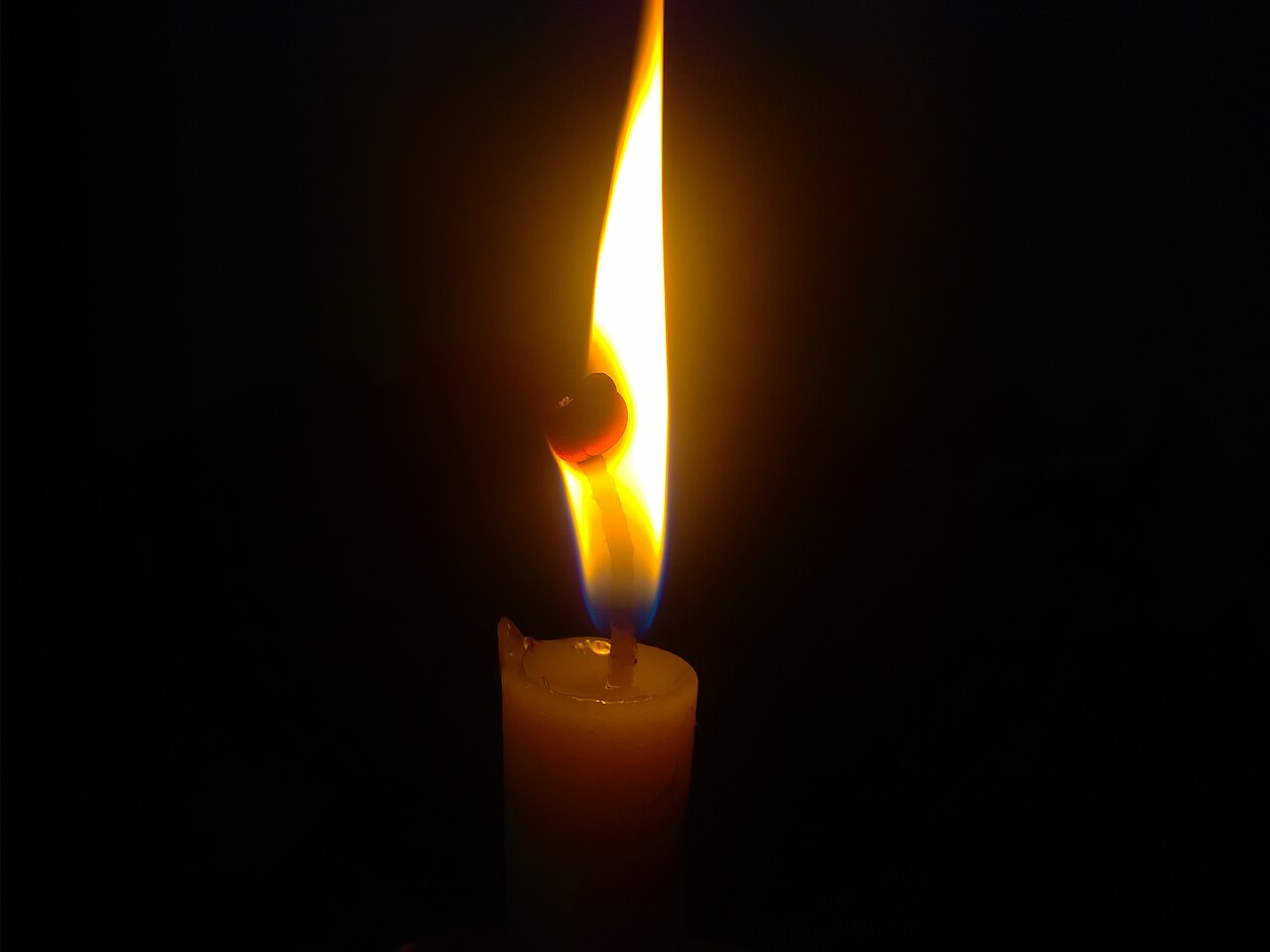
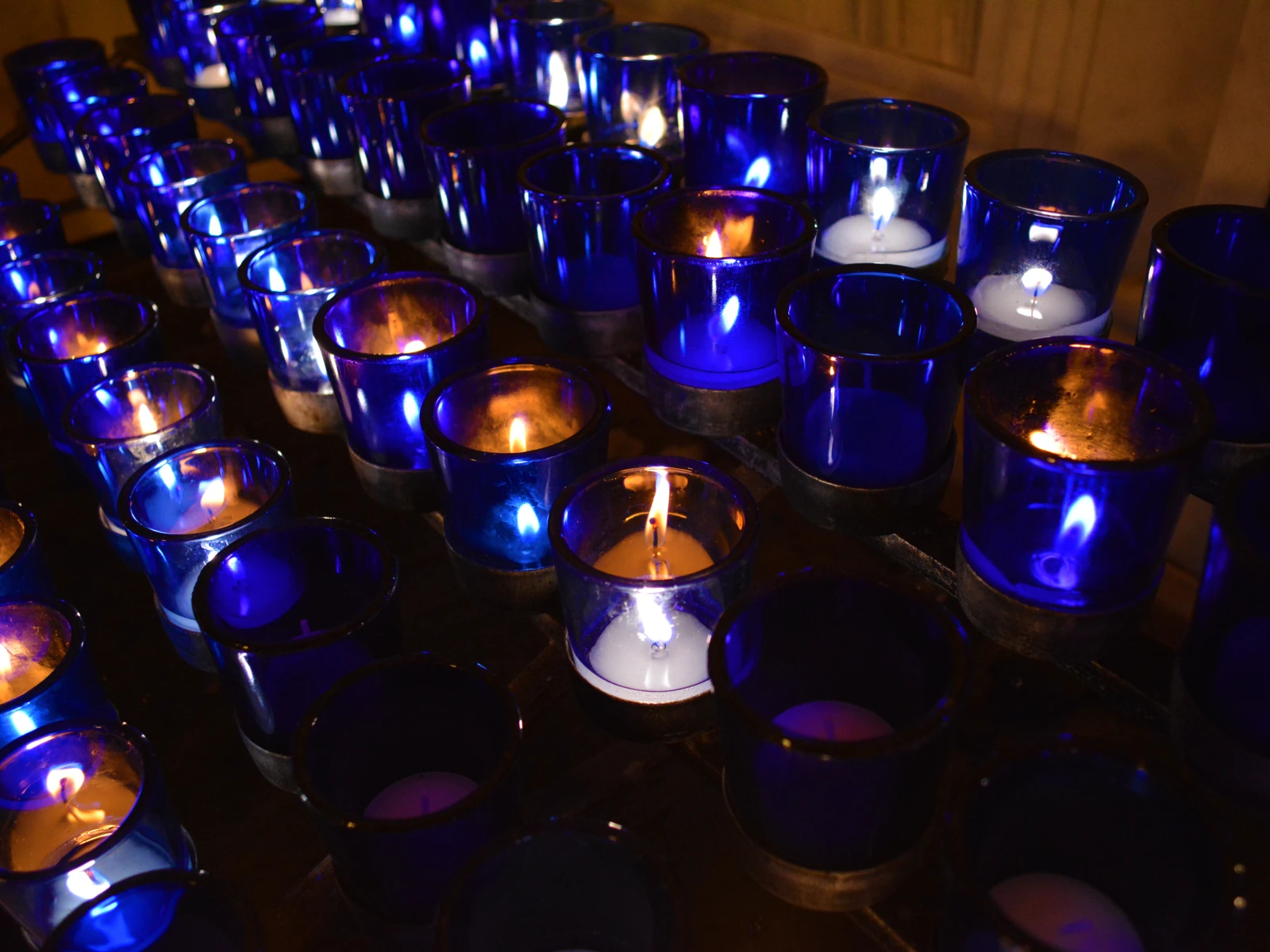
Lighting a candle can make that intention visible. The number of candles or size of a bouquet does not measure affection. Someone unable to reach a grave, because they are far away or cannot leave home, can still pray. Remembrance has a place in a room at home too.
Charity is among the acts encouraged by tradition. A donation you can afford, time offered to a lonely person, discreet help: you can choose a good work and accompany it with prayer for the deceased. It does not set a price for salvation; it expresses faith involving our actions as well.
When even prayer feels beyond us
You may enter a cemetery and only want to leave. You may stand before a headstone unable to find words. Or feel guilty because the pain seems less intense that morning. There is no need to turn this day into a test you must pass in the right way.
In John’s Gospel, Jesus weeps at Lazarus’s death. For believers, those tears matter: they allow us to acknowledge grief without seeing it as a denial of faith. Christian hope can stand beside the struggle of absence without demanding that it disappear.
We can ask someone to accompany us, speak to a priest or stay close to a person facing loss. ‘Would you like me to come with you?’ may help more than many rehearsed phrases. If today’s prayer is simply a name spoken softly, we can start there: entrusting it to God with all the love and questions it carries.
Continue reading: Jesus wept, too, a Gospel reflection for when you miss someone.