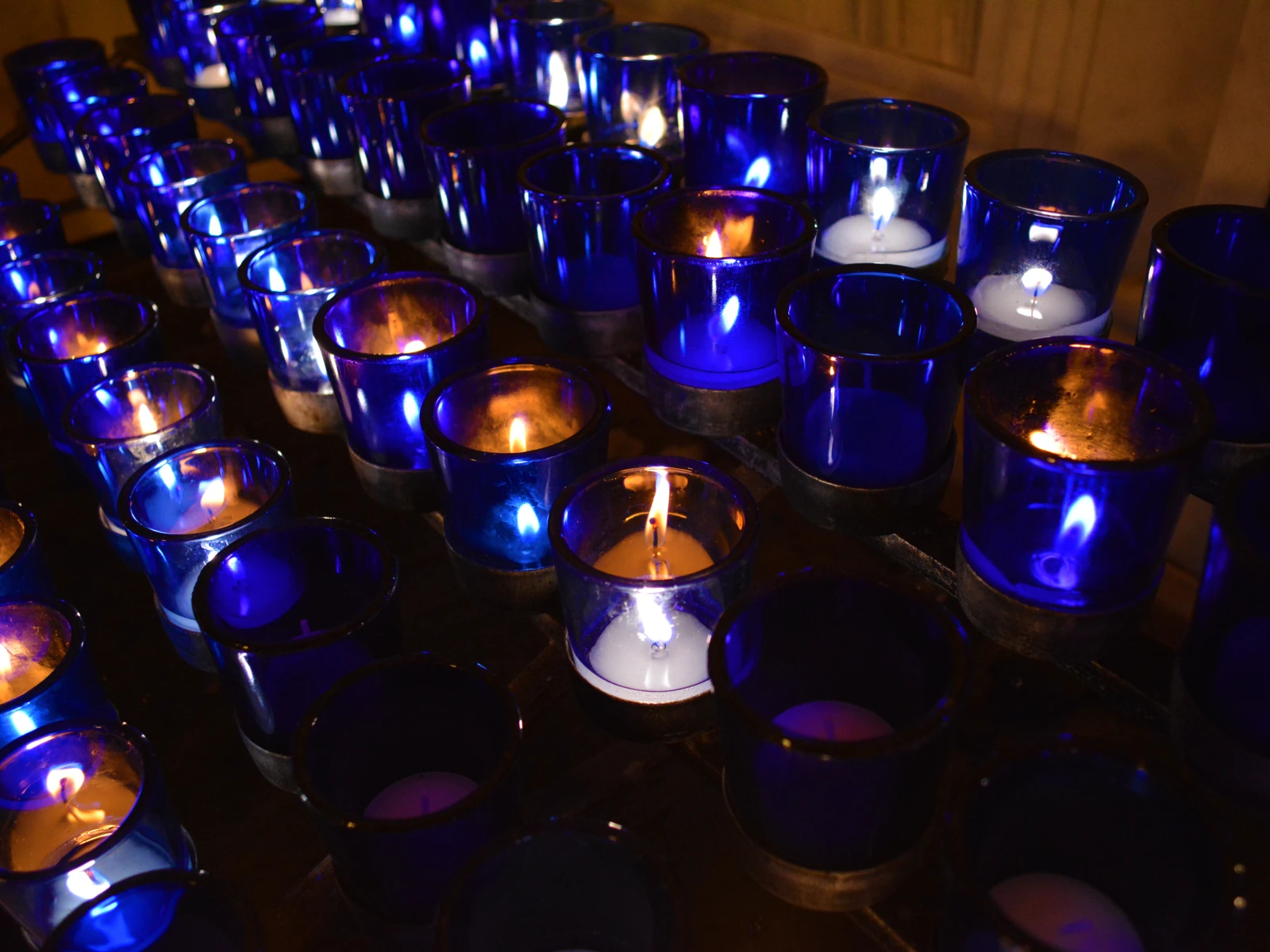
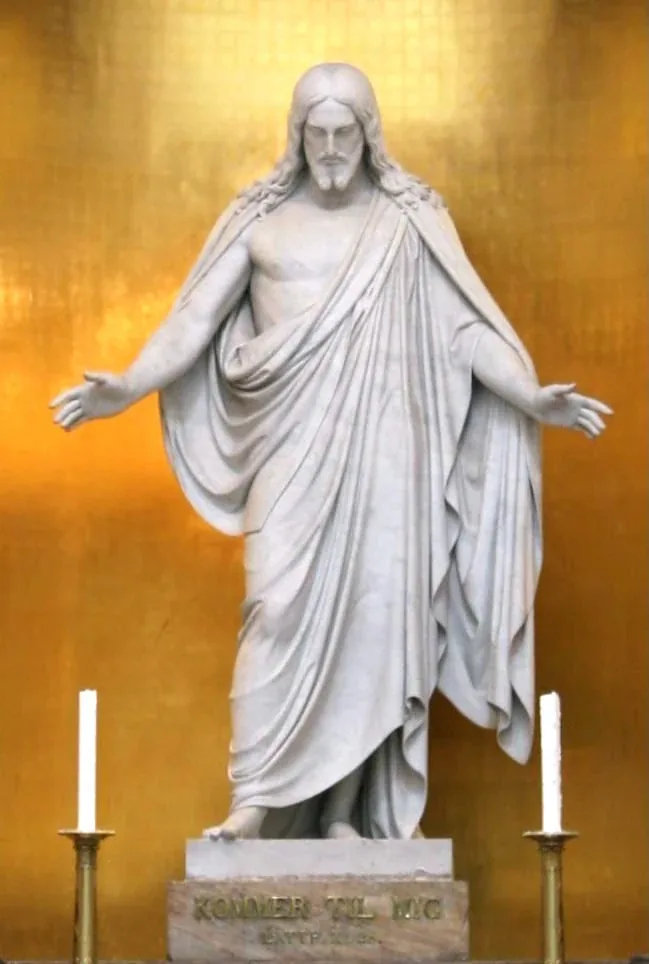
GOD, TODAY I BRING YOU MORE THAN MY OWN NAMES.
Some names come immediately. You do not have to search for them or read a list. A date, a song, a recipe prepared a certain way is enough. These are the people you carry with you, those your thoughts return to even during a busy day.
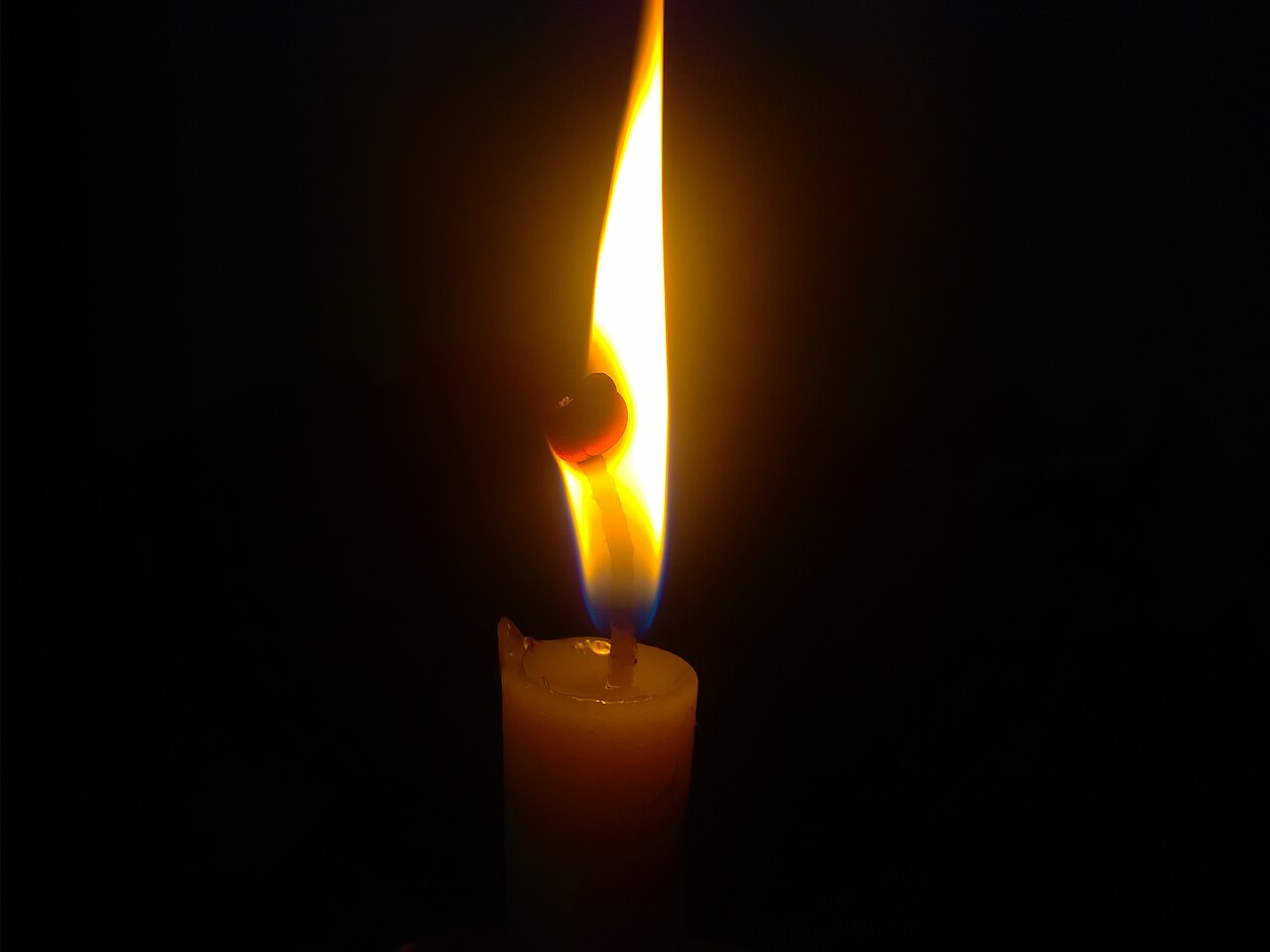
On 2 November, the Commemoration of All the Faithful Departed, beginning with them feels natural. Prayer takes the particular shape of our relationships. But the word all opens a wider space. There are people we never met, stories we could not tell, names that bring no face to mind. Can we pray for them too?
Catholic tradition answers through something the Church does together: entrusting the dead to God beyond the boundaries of our family memories.
How wide is all?
The entry from the Martyrology published by the Italian Bishops’ Conference for 2 November remembers those who have gone before us in faith, including those whose faith was known to God alone. Its horizon reaches beyond the people we can name.
We may notice this in church, when a personal remembrance enters the community’s prayer. One person’s intentions draw close to another’s without everybody needing to know the same story. Nobody has to display their grief to have a place within that prayer.
We are not required to feel identical affection for every human being. Relationships have a history, and certain absences inhabit our lives uniquely. We can cherish that closeness while allowing prayer to reach someone about whom we know nothing.
The lives we cannot reconstruct
Perhaps an old album contains somebody nobody can identify any longer. Or you have read a name and a date without knowing anything else. It is easy to start imagining: did they have a family? Does anybody still remember them?
We can pause before turning those questions into a story. A grave without flowers does not prove abandonment. An unnamed photograph cannot tell us how deeply someone was loved. Often we know very little about other lives, and respect includes resisting the urge to invent whatever is missing.
Prayer does not require us to complete the biography. We can entrust that person to God just as they are: unknown to us. It is a quiet gesture that recognises a life’s value without needing to take possession of its story.
A communion larger than our address book
Paragraph 958 of the Catechism places remembrance and prayer for the departed within the communion of the Church. Paragraphs 1030–1032 discuss final purification and prayer offered for the dead. In Catholic faith, praying for someone who has died therefore has real spiritual significance, alongside its place in remembrance.
Christian hope entrusts itself to God’s mercy and the resurrection. It does not give us a map of each person’s condition after death. We can pray without declaring that we know what belongs to God’s judgment and love. This trust makes room for what we cannot know.
That discretion matters, particularly when we are tempted to describe someone’s destiny in order to comfort a family, or judge a life we only partly understand. We can offer closeness, prayer, and presence. Certainties we do not possess can stay outside the conversation.
An intention within an ordinary day
If you would like to give this openness a practical form, you could add a simple intention to your usual prayer: for the dead whose names I do not know, for those whose stories never reached me, for those who were known and loved in ways I cannot see.
You can do this in church, at home, or during a pause. At Mass, remembrance of the departed already belongs to the community’s prayer. You do not need a particularly moving formula. A few words can express sincere trust.
And if today grief for someone close occupies all the space you have, you need not force yourself to be more generous or more composed. Other people’s prayer can accompany you too. Within the Church’s communion, finding words for everyone is not always our task alone.
Beyond the names I hold close
One small movement remains possible: beginning with those we love and keeping prayer a little open. Allowing room for someone outside our own story. Recognising that the world has held far more lives than our memory can contain.
The opposite difficulty can arise as well: not knowing how to pray for someone with whom we do not feel at peace. We can entrust that difficulty to God without forcing ourselves into declarations we cannot honestly make. Sincere prayer can hold an unresolved question and ask for help in living through it.
Today I can say my own names to God. Slowly, with gratitude, longing, and questions that remain alive. Then I can pause and entrust everyone else to him too. So that the limits of my remembrance need not become the limits of my prayer.