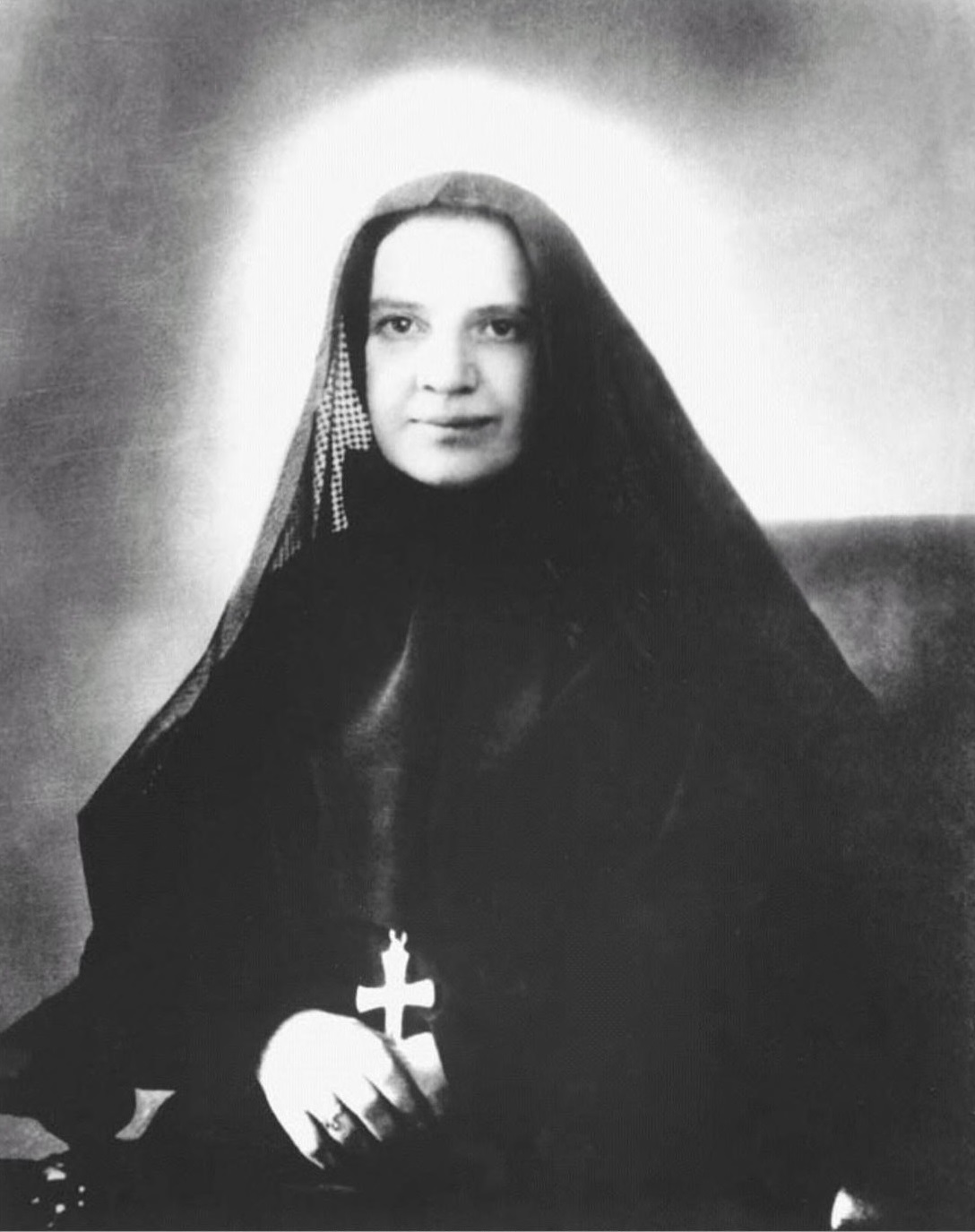
PADRE PIO AND A MOUNTAIN TO MOVE — LITERALLY!
An earthquake, a war and rock to excavate. Yet in 1956 a 250-bed hospital opened on the Gargano for people who previously had to travel for treatment.
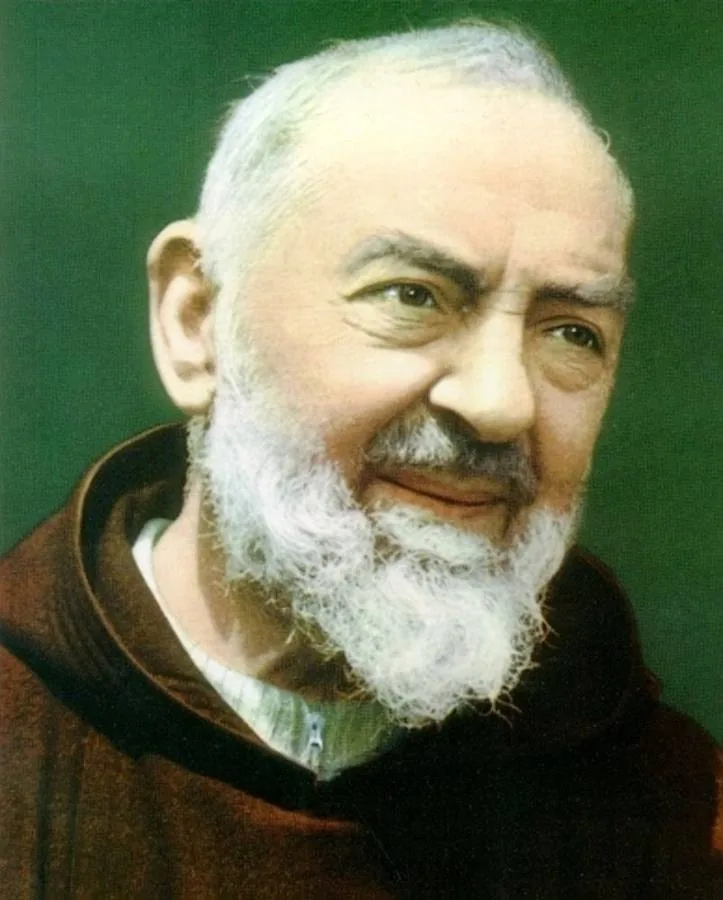
Imagine being ill on the Gargano. There’s a local doctor, but specialist care means travelling to Foggia along challenging roads. Treatment can feel far away. Here Padre Pio promoted Casa Sollievo della Sofferenza, inaugurated on 5 May 1956.
Before Padre Pio, there was Francesco
Born in Pietrelcina on 25 May 1887, he was named Francesco Forgione. At sixteen he joined the Capuchins and became Pio; he was ordained in 1910. Poor health brought him home for a while before he arrived in San Giovanni Rotondo in September 1916.
San Giovanni Rotondo became the centre of his ministry. He died on 23 September 1968. Beatified in 1999 and canonised in 2002, he spent his days celebrating Mass, hearing confessions and offering spiritual guidance. Many people he met also struggled to access treatment.
The first hospital wasn’t enough
An earlier, small San Francesco civic hospital had a few beds and two operating rooms. Management problems and damage from the 1938 earthquake ended that venture. The hope of local care survived.
On 10 January 1940, Guglielmo Sanguinetti, Mario Sanvico and Carlo Kisvarday met the friar in his cell. They chose the name Casa Sollievo della Sofferenza. Then war put everything on hold.
Before the wards came the rock
After the war, work resumed. The hospital’s history records an initial fund of four million lire and plans by Angelo Lupi, an inventive man without engineering or surveying qualifications. Building beside the monastery meant cutting into the mountain. Hundreds of workers, including veterans and farmers, joined the site; donations kept it going.
On 5 May 1956 the hospital opened with 250 beds and departments for surgery, medicine, paediatrics, maternity, radiology and laboratory services. Treatment finally had a local address. Padre Pio thanked supporters from around the world.
Caring for the person too
The name promised attention to the whole person. Prayer Groups grew alongside the hospital, followed by accommodation for patients and families, including Casa Zeni.
Here’s a detail worth holding on to: a school opened in paediatric oncology and haematology in 1999, with nursery provision added in 2002. Computers and links to children’s own schools helped them keep up with lessons, teachers and classmates. Illness interrupted so much. That connection continued.