MAMMA MIA, MARY! DO YOU REALLY KNOW HER?
She asks questions, travels, sings and searches for her son. In the Gospels, Mary is anything but a motionless holy picture.
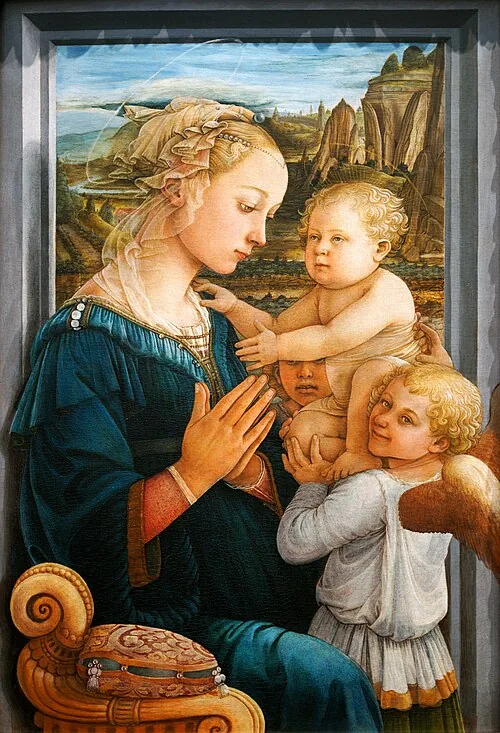
The angel speaks, and Mary answers with a question. In Luke’s Annunciation, her yes comes through a real conversation: she is troubled, wants to understand and asks how it will happen. Before imagining her forever silent and still, listen to her.
Nazareth, without an identity card
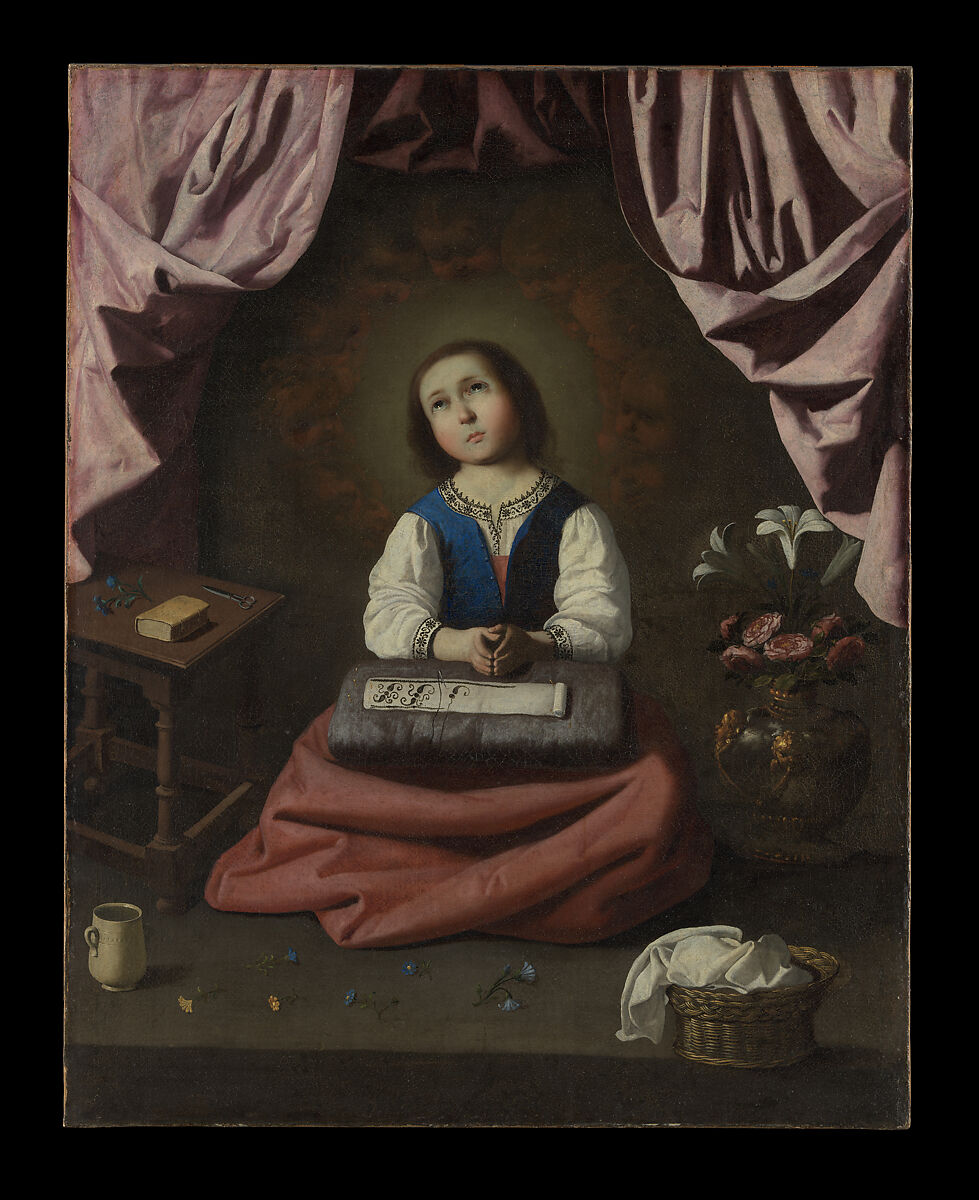
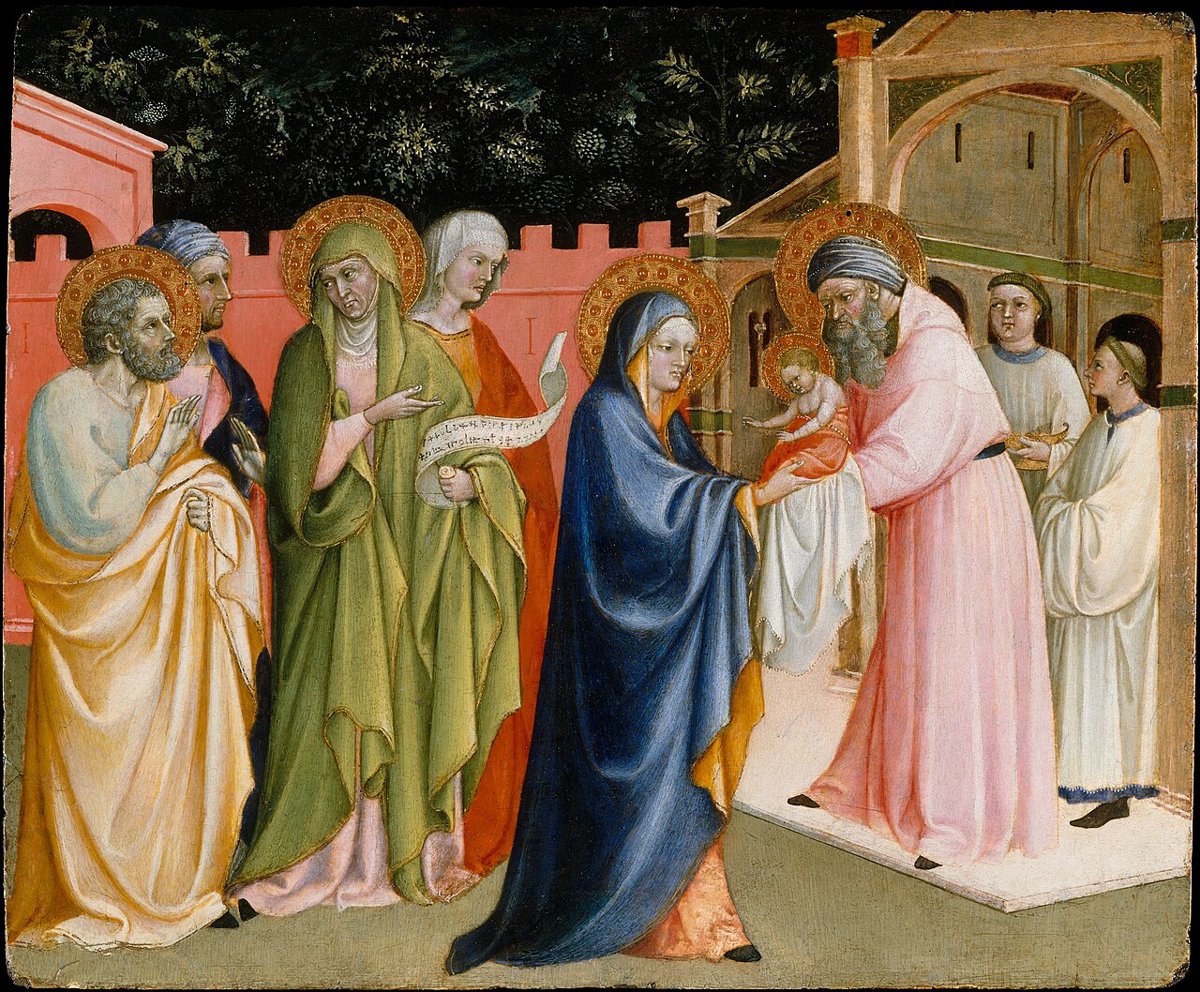
Luke introduces her in Galilee, betrothed to Joseph. He gives neither her birth date nor her age at the Annunciation. Many childhood details come from later traditions. Painters’ clothes, rooms and lilies are artistic choices, too: they communicate meaning rather than photograph her home.
A song that raises its voice
Mary travels into the hills to visit Elizabeth. In the Magnificat she sings of mercy, the lowly lifted up, the powerful brought down and the hungry fed. What energy! She names Abraham and the promises to the ancestors: Mary belongs to the Jewish faith into which Jesus is born.
A mother who searches and asks questions
When twelve-year-old Jesus stays in Jerusalem, Mary and Joseph search for him. Luke says plainly that they do not understand his answer. She treasures everything in her heart: loving someone leaves room for questions, too.
At Cana in John’s Gospel, Mary notices that the wine has run out and tells Jesus. She then tells the servants to do what he says. This leads to Jesus’s first sign and the theme of his “hour”: read the story to its final line.
Three titles worth understanding
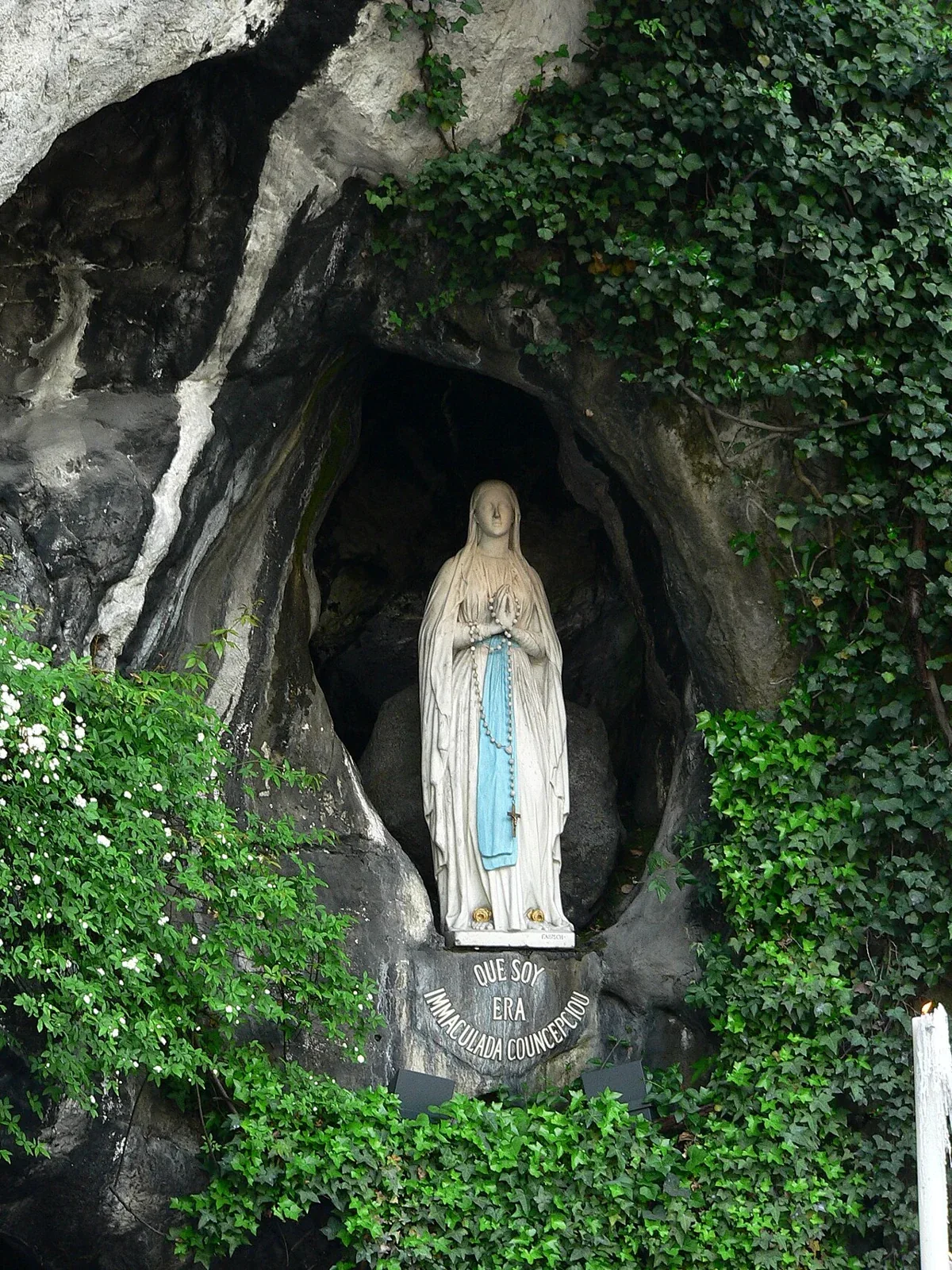
“Mother of God” describes who Jesus is, truly God and truly human; it does not mean Mary created God. The Immaculate Conception concerns Mary’s conception, preserved from original sin. The Assumption concerns the completion of her life, body and soul in heavenly glory. These are Catholic beliefs; the Catechism distinguishes veneration of Mary from worship, which belongs to God alone.
Muslims also honour Mary, as the conciliar document Nostra aetate recalls, while not recognising Jesus as God. Shared ground opens dialogue; differences still deserve understanding.
Your first stop? Luke 1 and 2, then John 2. Afterwards, look at a painting: you will recognise the Gospel’s Mary and the details the artist chose to tell her story.