JESUS, WHAT A REVOLUTION! EVEN LOVE YOUR ENEMIES?
“Love your enemies” is one of the Gospel’s hardest requests. Let’s read it without erasing wounds or responsibility.
On 27 December 1983 John Paul II enters Rebibbia prison and meets the man who tried to kill him. Addressing prisoners, he confirms that he has renewed his forgiveness. The visit removes neither the crime nor the imprisonment: it holds a wound and a choice together.
Jesus really says it
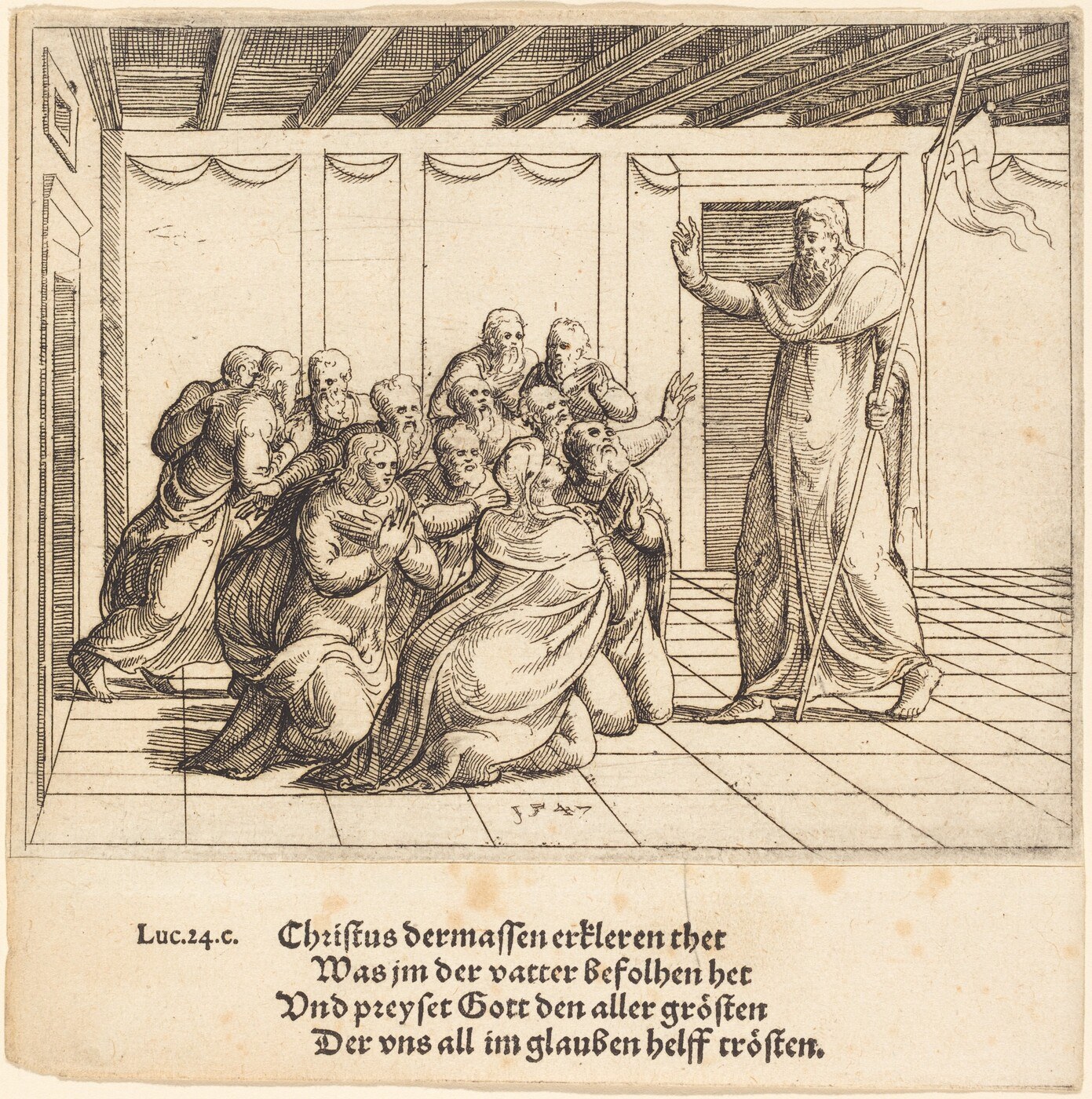
“Love your enemies” appears in Matthew and Luke. Matthew places it in the Sermon on the Mount; Luke adds practical actions: do good, bless, pray. The hard part is whom they concern—people who do not respond in kind.
In Matthew, sun and rain also reach those doing wrong. The image asks what response we will choose, without promising an overnight change in another person. Luke links love to behaviour and the Father’s mercy.
A wound has no stopwatch
The Catechism, paragraph 2843, recognises that we cannot command ourselves to forget an offence or stop feeling it. Prayer can name a wound without performing a peace we do not feel.
Benedict XVI explains this passage as a response to violence that can break injustice’s chain. Christian nonviolence, he says, is not surrender to evil. The Catechism also recognises protection of life and legitimate defence.
Forgiving, trusting and reconciling are different things. Nobody may use these words to impose dangerous contact or silence someone experiencing violence.
Back to Rebibbia
In that day’s homily, the pope stresses prisoners’ dignity and rights and the possibility of changing their lives. His choice still leaves the attacker’s responsibility clear. These difficult realities together make the encounter powerful.
Try Matthew 5:43–48 and Luke 6:27–36. Pause over a verb or question. Even “God, this still hurts” can be a prayer to begin with.
SOURCES AND FURTHER READING
- Vangelo secondo Matteo, 5,43–48 — CEI 2008
- Vangelo secondo Luca, 6,27–36 — CEI 2008
- Giovanni Paolo II — incontro a Rebibbia, 27 december 1983
- Giovanni Paolo II — omelia a Rebibbia, 27 december 1983
- Benedetto XVI — Angelus, 18 february 2007
- Catechismo — perdono, nn. 2840–2845
- Catechismo — protezione della vita, nn. 2263–2265