FRASSATI WALKED. SOMEONE ELSE NEEDED THE TRAM MONEY.
A spare ticket became a real help. A detail of the life of Saint Pier Giorgio Frassati questions us about the small choices we make with our money.
Open your wallet, look at the price, make a quick account. There are expenses that programs for weeks and others that almost do not record: a small extra, a delivery, something added to the shopping cart while you were looking for anything else. It's not a process to your habits. It is a familiar scene, from which a question can arise: what can I still see, besides what I want to buy?
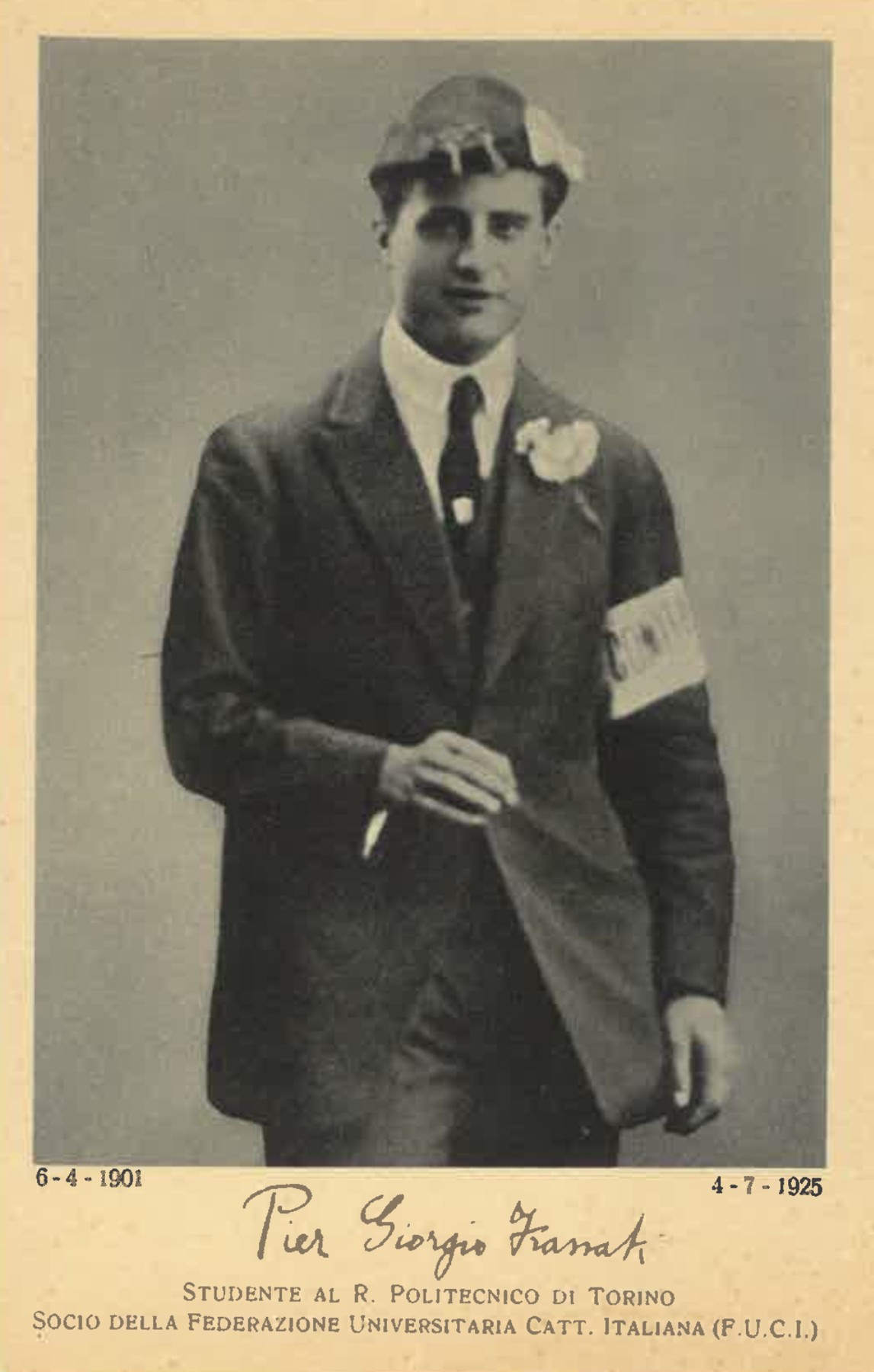
San Pier Giorgio Frassati had a very concrete answer. In his biography, the Dicastery of the Causes of Saints tells that he walked through Turin because he dedicated the money of the tram to almsgiving and medicines for sick people. A need of others entered into his accounts. And then he went into his legs, making the way.
The detail is striking precisely for its daily size. Before a great talk about charity, there is a note. Something we know, something that has a price, that changes a journey. Generosity becomes visible in a tiny and repeatable choice, even within a life very different from ours.
The person behind that waiver
The same official source recalls the commitment of Frassati to the Conferences of San Vincenzo and visits to families in need. Money was part of a neighborhood that included presence and material aid. The gesture of the tram belongs to this context: someone had a need, he noticed it and was looking for an answer.
For a Catholic, the link with his faith also counts: the biography describes a life nourished by the Eucharist and prayer. Pier Giorgio's charity grew within that relationship with Christ. Today the Church venerates him as a saint: he was canonized on 7 September 2025 and his liturgical memory is on 4 July.
So far, the documented history. The question we are asking in our day is more open: when we say that we want to help, do we have in mind a person, a need, a place to address? Sometimes the desire remains vague because we don't know where to start. Knowing a reliable reality can give it a shape.
You can love your life and leave room for someone
Maybe you were waiting for that book, dinner with a friend, a little gift for you. It is not necessary to turn every pleasure into a moral account. A Christian life also includes gratitude, celebration, and rest. The point that interests us is the freedom to choose: I can enjoy something beautiful and sometimes I can decide that a part of what I have meets another need.
The proportion changes for each. Those who are looking for work, paying for therapy or supporting the family do not have the same availability as those who live in a quiet period. Setting an equal number for all would eliminate these differences. Even the help received is valuable: if today you need it, your dignity does not diminish.
The detail of the tram should therefore not be copied to the letter. You may need the means to work, to health, to arrive safely. Watching a saint can open up a chance for your life, without asking you to risk what you need.
Before donating, ask
Imagine deciding a small sum you can afford. The next step can be a phone call to a listening center, the parish or an association you know. What Needs Are There? How are donations handled? Would a precise purchase be useful or would a contribution be preferable?
These are concrete questions, which keep the recipient at the centre. A gift chosen only to feel generous may not correspond to the need. Listening also avoids replacing the person, as if the economic difficulty took away the right to express a preference.
If the relationship is personal, the cure also concerns discretion. You can offer help without asking for an intimate story in return, without turning it into family news and without expecting public gratitude. There is something very nice about leaving someone the freedom to receive with simplicity.
A gesture that you can sustain over time
Generosity also needs continuity. A decision taken on the wave of emotion can be sincere, but difficult to maintain. Better to know your schedule and make a promise possible. It may also be a concrete way to participate to point out a serious initiative, to accompany someone or to offer a competence.
We can bring this choice into prayer, asking that we notice people and use with freedom what we possess. Then we will return to the accounts, to the time available, to the real needs. That is where the desire to do good takes a recognizable form.
Of Frassati remains that simple image: a boy who continues on foot and money that arrives elsewhere. Next time you look at a little grocery shopping, maybe it'll come to your mind. Not to ruin a pleasure, but to show you a chance you didn't see before.