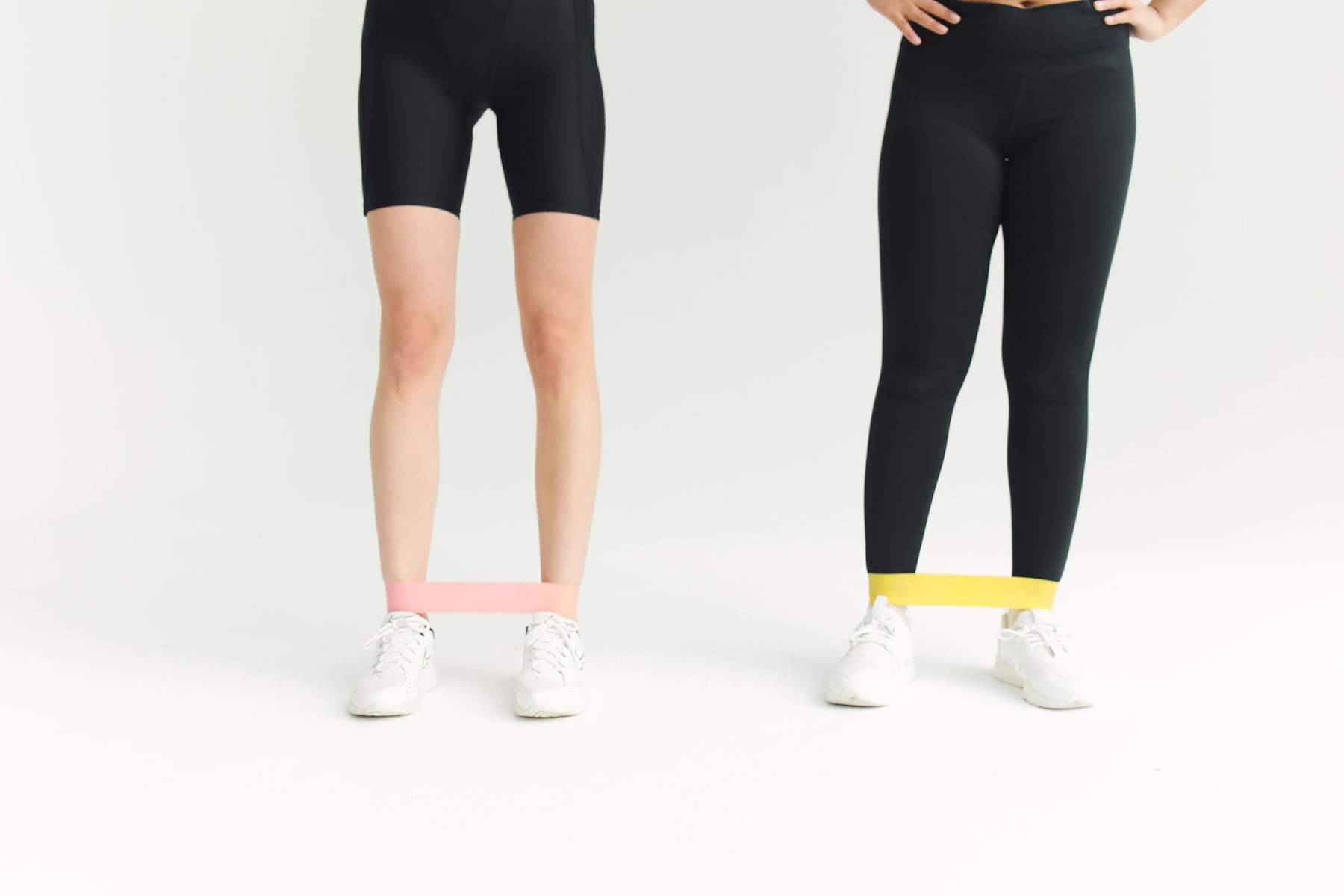
Girls, let’s lift! The weights room is our space too
The first time, it may look like a room full of objects everyone knows about but you. Then learn how to adjust a machine, find a suitable load and ask an extra question. The weight room begins like this: not with an entrance exam, but with someone who explains.
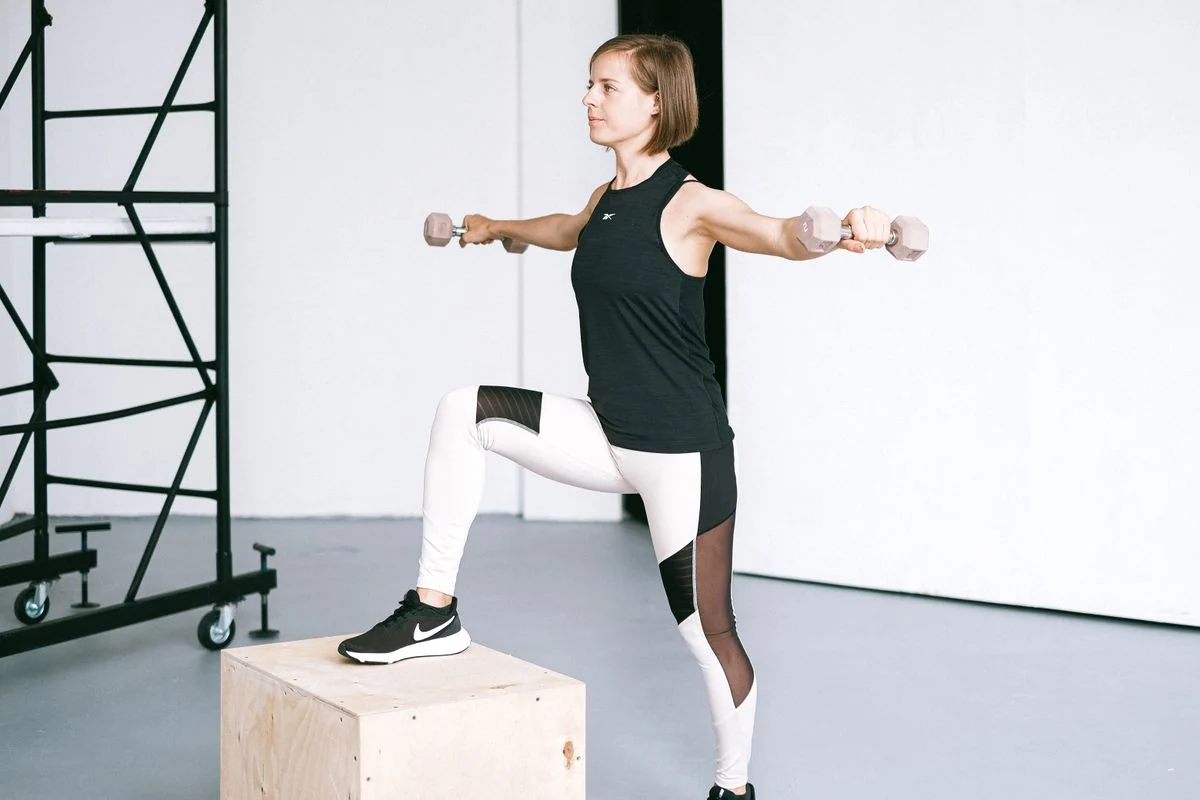
For years the story of female training has passed mainly from parts of the body to be corrected and programs to be re-mediated before the summer. Here we want to start with a different curiosity: what could you learn? Lift, push, pull, use tools with criteria. The gym can also be a place of expertise, not just of comparison in the mirror.
The signal of the 2025 and the novelty of the 15 October 2026
In the Year in Sport report 2025, Strava reported that women were 21% more likely than men to record weight training activities. It does not mean that all women train more than all men: it is a comparison related to the registrations on the platform, with the limits of that community.
There is also more recent news. On October 15, 2026 Strava announced strength sessions designed by coach, with animated instructions and serial recording and repetitions. Subscribers are expected to be released in the weeks following the announcement, with an example training for free users. It is therefore not correct to assume that each account already has all the new features.
If you mainly use Strava for running, you may now come across strength sessions too. If you are curious, look at how the exercises are explained and what experience they require. When trying equipment for the first time, an in-person demonstration can answer questions an animation leaves open.
Force doesn't just mean balance
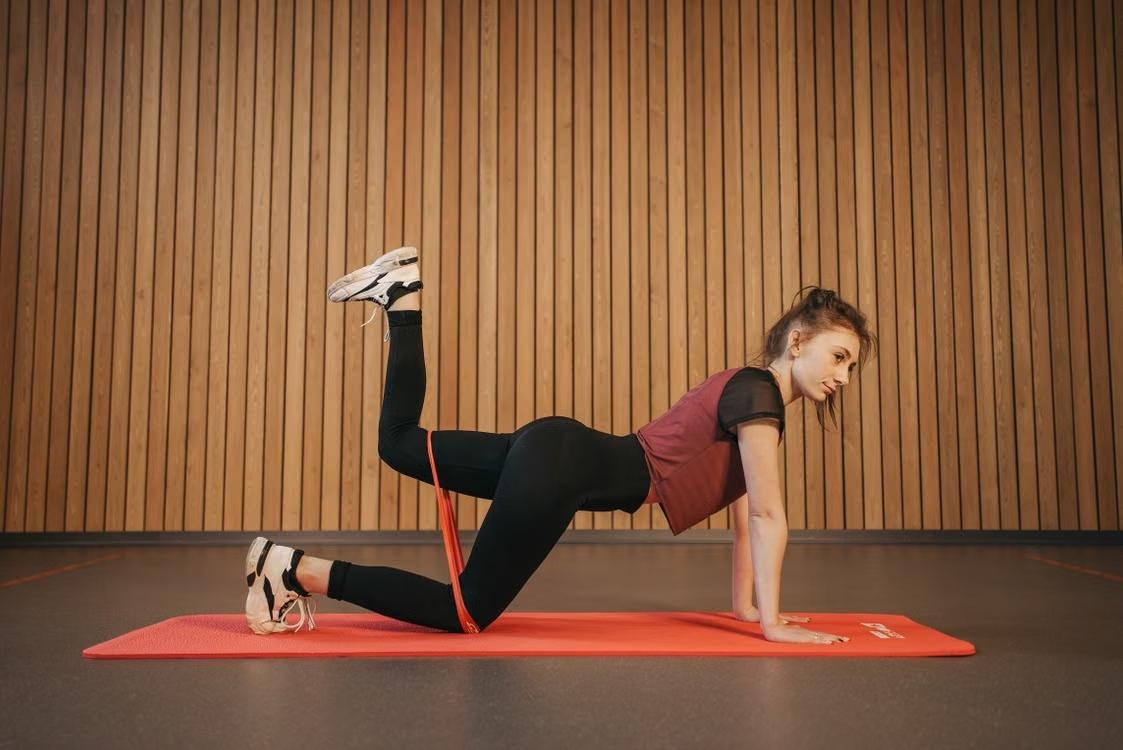
A force exercise requires the muscles to work against a resistance. This can come from weights, elastics or body weight. The NHS recalls that strengthening helps maintain useful skills in everyday life and that you can start gradually. It is not reserved for those who want to compete or lift very high loads.
For those entering the gym, the practical distinction is useful: you don't have to choose an instant tool from real sports. You need to learn how to use what responds to your intended work. A car, a handlebar and an elastic do not assign degrees of prestige.
The first session should begin with a conversation
Tell us what you've already done, how much time you can spend and what you're curious about or worried about. Report any limitations or conditions to be considered. Then ask that the program be explained, not just printed: name of exercises, adjustments, pauses and signals to interrupt or ask for help.
A card full of acronyms is not useful if you don't know where to sit in front of the car. You can ask for a demonstration and repeat the movement with supervision. Annotating an adjustment or the name of the tool is perfectly reasonable. You don't get born knowing how to use a pulley.
Can you show me again?It's a phrase to be kept ready. This is how competence is built.
How do you choose the load?
The initial load shall be identified in relation to the person, the operation and the ability to control it. The weight used by a creator is not a personalized suggestion. If to complete the gesture you have to invent a movement that has not been taught, ask for a verification.
Similarly, increasing is not an obligation on each visit. Ask the professional who follows you how the progression will be evaluated. Understanding when changing something is more useful than adding weight to not feel back from your neighbor.
What to look over pounds on the handlebars
You can take note of what you are learning: recognize the tool, set the supports, remember the sequence, ask more precise questions. These are concrete elements of experience, even when the load remains the same. An essential diary can help you tell the instructor how the previous session went.
If you use an app, treat it as a recording and organization tool. An animation does not necessarily observe you and does not replace an individual correction. Before paying for a service, check what it really offers, what data it requires and how you can manage it.
How many times a week?
General NHS indications include strengthening activities of major muscle groups at least two days a week. It is not an equal card for all: duration, exercises and recovery require a suitable choice to your starting point. Aerobic activity retains a distinct role; not every weight session replaces it.
Before filling the calendar, look at your real availability. An agreed and sustainable route is more practical than a subscription built on an ideal week that never exists. If you skip a session, take the program back with criteria, without inventing punitive recovery.
The right gym lets you ask questions
It assesses the actual presence of instructors, the order of the spaces and the clarity of the explanations. Ask if the initial assistance is included or paid. Reviews can offer clues, but a visit and a test help you understand how you are.
Cohabitation also counts: storing tools, respecting shifts and not filming other people without consent makes the room easier to live in. You don't need to be sure of yourself to deserve a respectful environment.
Frequently asked questions
Should I use free weights now?
No. The path can include different tools. Ask why an exercise is chosen and how to perform it.
Can I start at home?
There are also domestic proposals: choose appropriate instructions and a safe space. If you don't know how to evaluate the gesture, look for supervision.
Do I have to copy a card for women?
Ask how beginners are supported, and explain your experience, goals and needs. These questions are part of finding the right class.
The weight room is a place where you can learn. The first progress can be just that: stop waiting to feel ready to ask you to start.