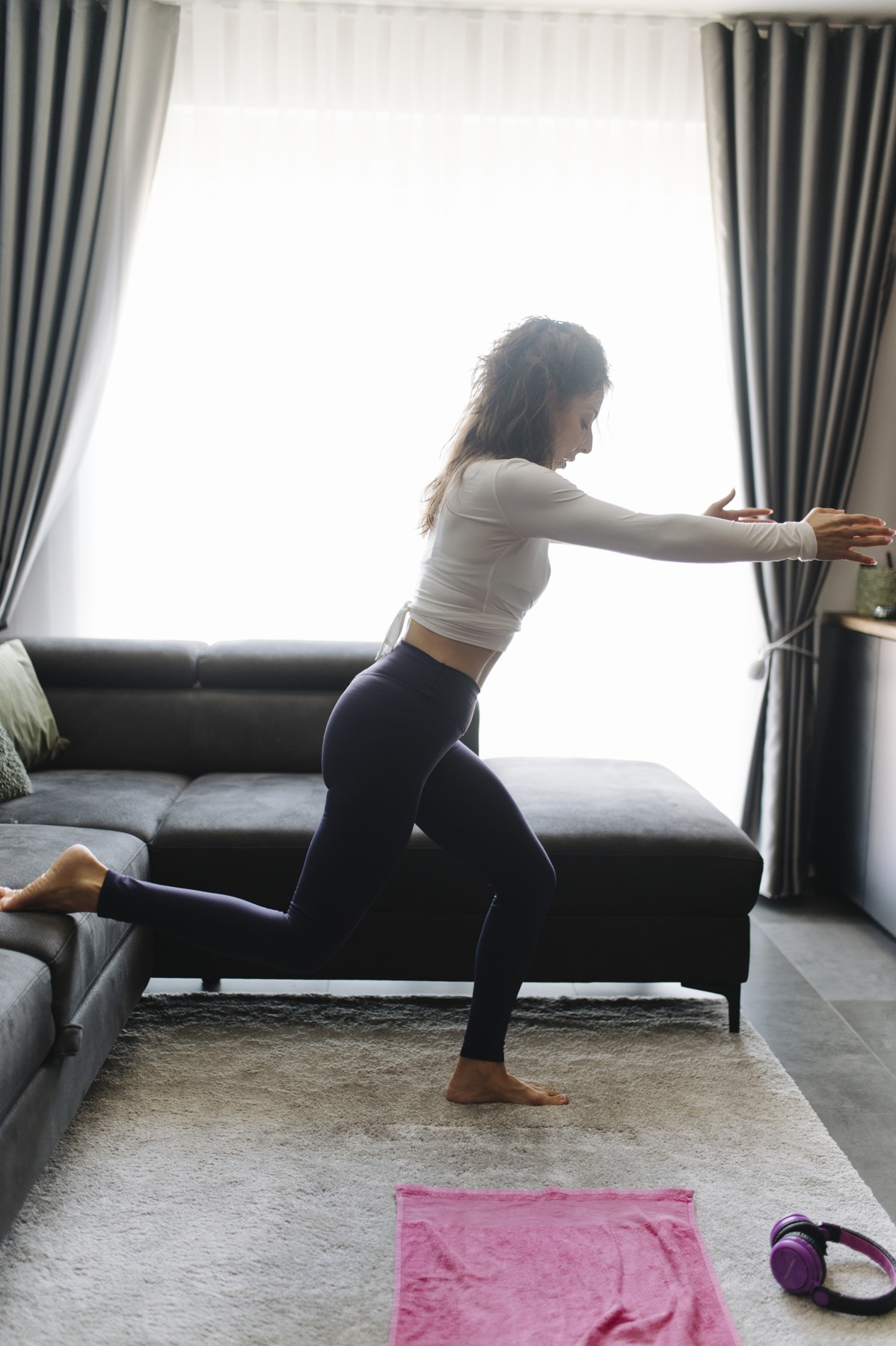
Resistance bands and a little space: bringing November fitness home
Small living room, mat tucked under the sofa? Resistance bands can fit there too. Here is what to ask about equipment and workouts before pressing play.
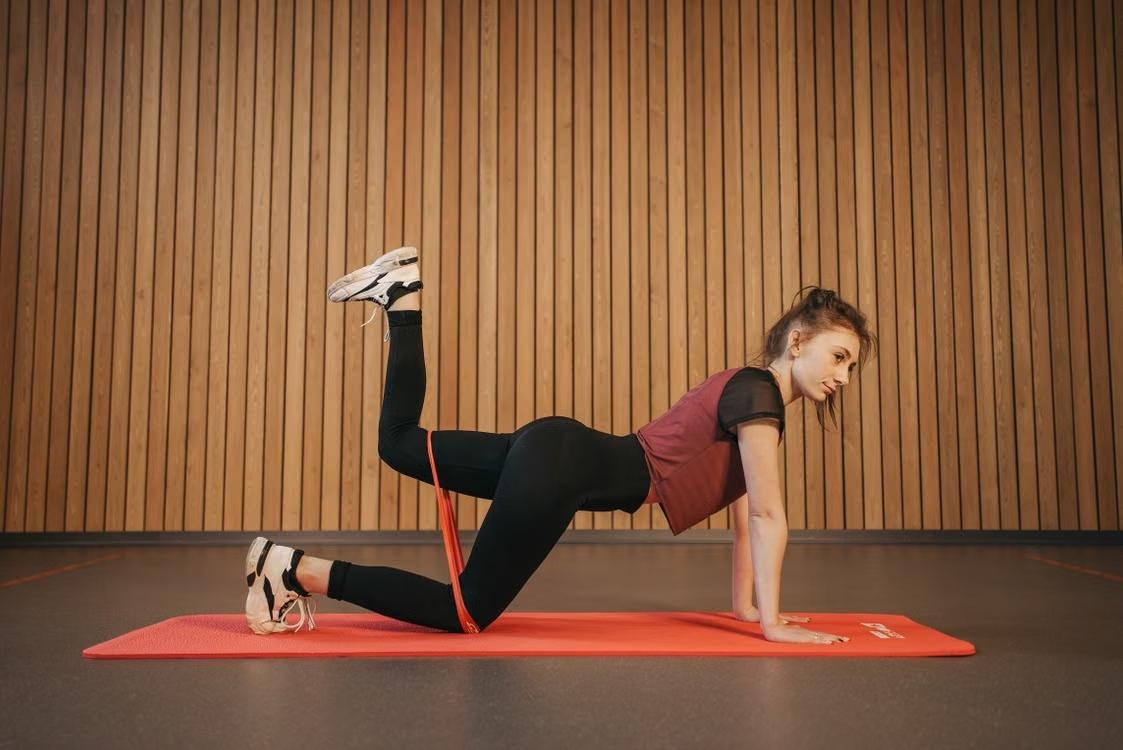
The mat is rolled up beside the wardrobe. Your phone holds workouts saved at different times, each with a promising title. When half an hour finally becomes available, one simple thing may still be missing: knowing which one to choose. If that sounds familiar, November brings a practical opportunity to sort through the options.
A resistance band fits in a drawer and is easy to take out when you need it. Handy when your living room doubles as an office, playroom and laundry area. Before unrolling the mat, choose what you want to do: the workout should be clear and appropriate for your experience. Finding half an hour is a good start; knowing how to use it comes next.
Small equipment still requires considered choices
A resistance band is easy to put away. That is a practical advantage when space is shared or a living room serves several purposes throughout the day. Ease of storage, however, tells us little about the difficulty of the exercises an item can support.
There are different designs, including long bands, tubes with handles and small loops. Before buying, read what the product is intended for and which accessories your chosen programme requires. Two items that look similar in photographs are not necessarily interchangeable. Check resistance colours against the manufacturer’s information too; they do not automatically mean the same thing across brands.
Start with the activity you want to do and your circumstances, rather than the bundle containing the most accessories. If you do not know which resistance to select, asking a qualified professional to observe your movement can be more useful than adding another level to your shopping basket.
Resistance changes as you move
The band feels light in your hand; stretching it is another matter. Before choosing more resistance, ask how to control the movement from beginning to end. A small piece of equipment can still be demanding. The size of the packet tells you very little!
Before thinking about more repetitions, understand the starting position, the path your hands or legs should follow and how to stay in control. A short video can demonstrate an exercise, but it cannot see how you are reproducing it. Seeking clarification when something remains unclear is a sensible part of learning.
This matters when a programme gradually increases difficulty. A calendar can propose a sequence; the quality of the movement you can perform still deserves attention. The week number printed above a workout does not know what your day has been like.
Your door is not just another accessory
Some programmes include exercises using an anchor. Before trying them, check that the band, attachment and fixing point are intended for that use, and follow the manufacturer’s specific instructions. Avoid improvised attachments to handles, furniture or objects whose strength you cannot establish.
Look at the space around you too. Can you move without hitting a table? Is the floor suitable for stable footing? Could someone open the door or walk through the area during an exercise? In a shared home, choosing a time and letting others know may be part of preparation.
These details rarely appear on workout covers, yet they help establish whether an option is workable. A little organisation comes before the first repetition, just as it does when packing a bag to attend a class.
A programme needs a place in your week
Three weekly appointments can look modest to someone with plenty of time and demanding to someone balancing shifts, travel and family commitments. Assess the time needed to prepare the area, choose the video, set out equipment and clear everything away afterwards.
It may help to look at the coming week before starting. Which times are realistic? Does anyone sharing your home need to know? What alternative could work if a planned time becomes unavailable? A manageable plan includes answers to those ordinary questions.
If a day unfolds differently, you can make a considered decision about resuming without stacking sessions to catch up with a calendar. A general schedule remains a reference to assess. It cannot personally know your experience, recovery or limitations.
Ask whether you can preview the exercises, whether alternatives are available and whether the intended audience is clear. The word “beginner” alone leaves many differences unresolved: previous gym experience and starting with no experience are not identical situations.
A November with room for your preferences
Exercising at home can be convenient. You may also enjoy it less than a class with an instructor or a walk with a friend. It is worth finding out through an appropriate experience, without turning a resistance-band purchase into an obligation for the whole winter.
A useful gift to yourself this month is some clarity: choose an understandable option, prepare a suitable space and seek help where needed. What follows develops as you see how the appointment fits into your life. If another activity eventually appeals more, you will have learned something concrete about what you want.