A gym on the living-room wall? Tonal 2 Glacier steps into view
A pale finish, reflective panel and places to put the accessories: the new version of the American wall-mounted gym brings fitness into the design conversation. How much room do we want movement to have at home?
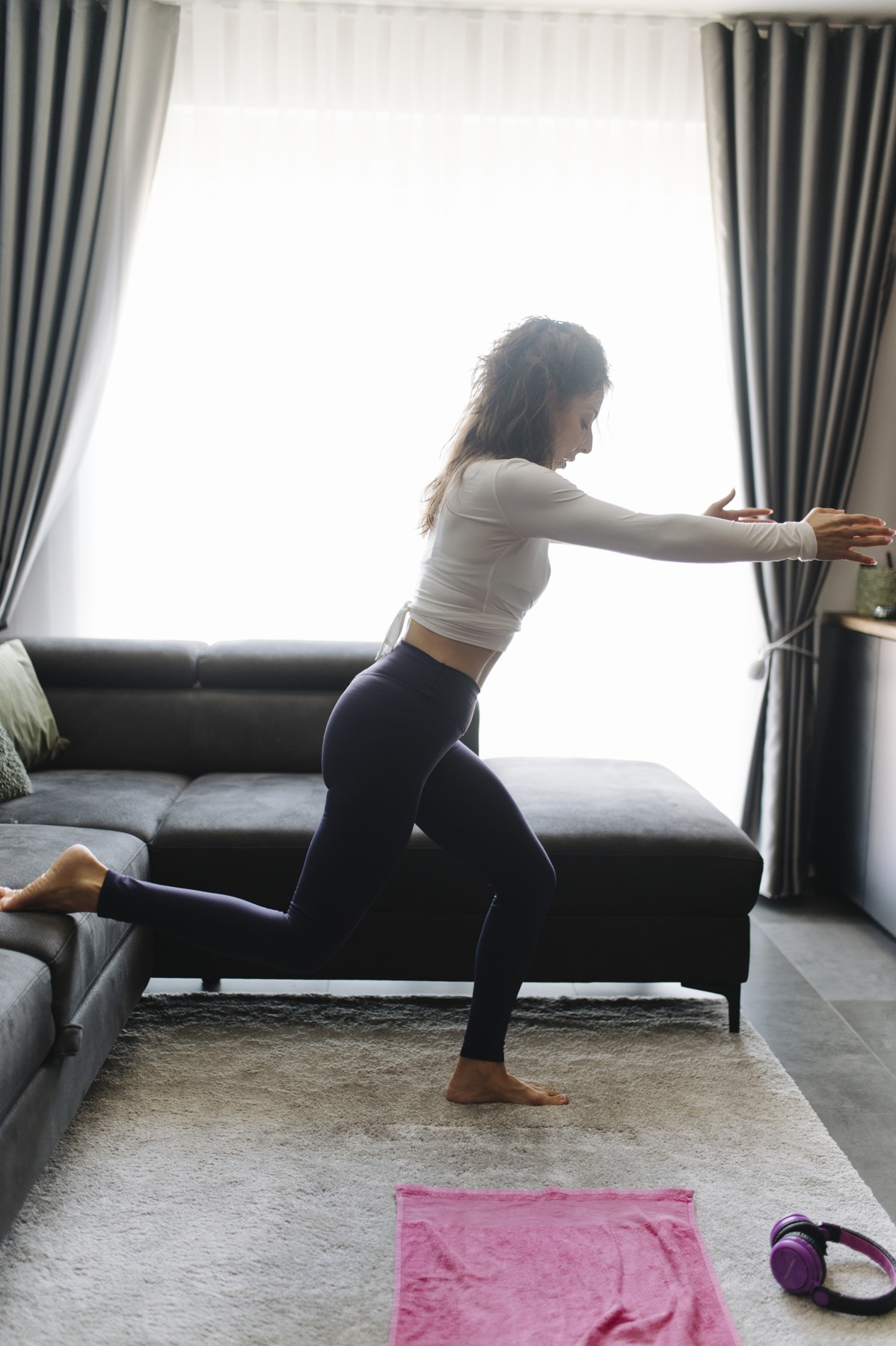
A living room already has several lives. You drink coffee there in the morning; in the afternoon it may become a workspace; by evening it belongs to the sofa again. Then you want to unroll an exercise mat and have to negotiate with the coffee table. Anyone who exercises at home knows this little choreography: move things, prepare, make room and put everything back afterwards. That preparation belongs to the time we give to movement too.
Into this scene comes Tonal 2 Glacier, the American wall-mounted gym version reported on 2 November 2026. It introduces a lighter finish, a reflective front panel and integrated accessory storage. The brand is giving its equipment a place in the interior-design conversation. The thought is easy to understand: when an object stays in your living room, the living room eventually has to accommodate it, even on days when you never use it.
Fitness equipment has a life when switched off
We choose exercise equipment for what it allows us to do. Afterwards, though, it remains in the room. You see it when passing with a cup, rearranging a plant or welcoming friends. Colour, proportions and how the pieces are stored become everyday features. A product photographed in a beautiful room can be appealing. Your actual room has sockets, doors, walkways and established habits that all need a place in the plan.
Glacier’s reflective panel belongs to that relationship between object and surroundings. Accessory organisation matters as well: being able to put each piece away becomes practical when a space is shared. Of course, the order promised by a design still has to meet our domestic habits. Anyone with a drawer full of charging cables knows that owning a container and remembering to use it consistently are rather different experiences in the course of a week.
What actually changes
Glacier keeps the training technology of Tonal 2. The update is mainly about appearance and accessory storage. That distinction helps while looking at the pictures. A new shape can interest someone fitting equipment into a home, but it cannot by itself make an exercise more effective or tell us how much we will enjoy using the machine. That depends on individual requirements, experience and the quality of the guidance we receive.
The design question is still interesting. Why should movement have a place at home only after every object associated with it has been hidden? A room can express pleasure in exercising too. One person likes seeing a mat ready in the corner; another wants to put it behind a door. Those preferences deserve consideration, especially when an object is intended to occupy the same part of a room for a long time.
The price is part of the project
The US website lists Tonal 2 Glacier at $4,795. Selected accessories and membership also need to be considered: membership is $59.95 a month, with an initial twelve-month commitment. This places it in the premium American market. It takes the project well beyond finding a corner for an exercise mat: this equipment belongs among substantial purchases for the home.
Before a substantial purchase for the home, a useful question is how much we actually want to use the object. Which activities do we enjoy? Do we like exercising alone, or miss the company of a class? Do screen-based appointments appeal, or would we rather go out and meet an instructor? An honest answer may clarify more than a lengthy comparison of finishes. Equipment needs a place in our habits as well as on a wall.
An empty wall does not describe the whole room
Arms, steps and changes of position take up space even when the equipment is mounted on a wall. Before imagining a fitness corner, consider the area in which you will move. Is the route to the door still comfortable? Is there somewhere to put water? Does the floor suit the activity? These questions make a project more tangible, even when the equipment you have in mind is much simpler than a connected gym.
The timing matters too. If a room serves as a meeting space, play area and exercise room in the same day, an agreement between the people using it can help. An organised corner works better when everyone understands when and how it will be used. Sometimes a shelf and a quiet appointment are enough. Sometimes we discover that we want to keep home for other things and exercise elsewhere. That can be a successful choice too.
A home that feels like yours
Tonal 2 Glacier is a striking example of a modest question: how can exercise equipment live alongside everything else? You can recognise the question without wanting a technological gym. Perhaps you just need somewhere for a mat, or a basket to stop resistance bands disappearing among the cables. Organisation can begin with a small gesture that makes it easier to find and use something you already own and enjoy.
The perfect living room in an advertisement has light that never seems to change. Ours may have a blanket on the sofa, a coffee table to move and a plant occupying the best spot. That is the room in which movement needs to be imagined. It is lovely when an object appeals to us while standing still. Better still when using it makes room for an experience we actually want in our lives.