Strength without jumps: Strength Lab and the freedom to choose an alternative
A new beta offers illustrated exercises and filters for time, equipment and position. Its interesting idea is making alternatives easier to find, while recognising that low impact does not automatically mean easy or suitable for everyone.
The mat is ready and perhaps you feel ready too, until an exercise appears that you do not want to do today. It needs equipment you do not own, an uncomfortable position or space that simply does not exist in the living room. Finding an alternative can become more complicated than the workout. A small digital announcement addresses an interesting problem: helping people choose between practical options without making every programme a compulsory sequence.
Low Impact Fitness Lab’s Strength Lab is opening a public beta, a version still being tested. Its announcement on 29 October 2026 gives 28 October as the start date. The developer presents an exercise library and filters for finding alternatives. Let’s look at the choices it offers.
Alternatives are the starting point
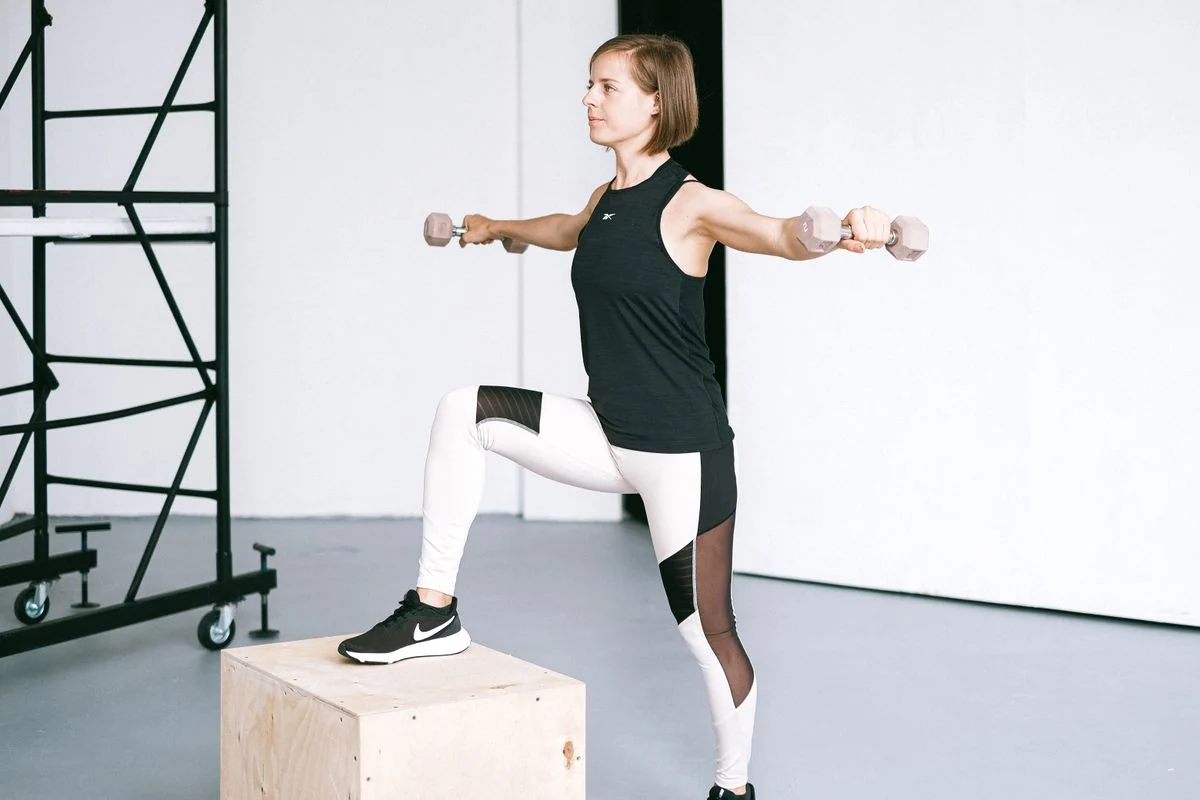
The official presentation describes 110 illustrated exercises, equipment and position filters, and a routine builder. Options include standing, seated and floor positions, with a filter to avoid floor exercises. Sessions of fifteen, thirty and forty-five minutes are proposed. Those figures describe a library and time options; they are not targets that you need to achieve together.
The most useful filter may be the least spectacular. Can I prepare this activity in the space I have? Do I recognise the required equipment? Have I understood the starting position? An accessible choice begins with readable information. A hundred options are of little use if the first remains confusing. Finding a comprehensible approach and knowing whom to ask can matter more.
Low impact is not a universal promise
The producer describes controlled movements without jumps and explosive combinations, while acknowledging that some exercises can still be demanding. That point deserves to remain in an approachable fitness story. A reassuring name cannot, on its own, describe load, difficulty, the work involved or whether an activity matches an individual’s needs.
If you have a health condition, pain or particular limitations, an app category cannot replace qualified advice. You can bring an activity description to a professional who supports you and ask whether it makes sense for your circumstances. Alternatives are useful when they help you ask a precise question, rather than assigning a filter the job of evaluating your personal situation.
Available time can be one criterion
Fifteen, thirty and forty-five minutes are suggested windows. Think of them as ways to find your bearings, rather than a ladder of merit. A longer session does not automatically improve your day. When choosing, consider time to prepare the space, understand transitions and put equipment away, instead of counting only the duration printed on the screen.
You can stop, postpone a trial or decide you prefer a class in person. Every free interval need not become productive. A sustainable choice leaves room to learn calmly. If a programme makes you hurry to meet a timing that does not suit you, that is a useful reason to reconsider how you are using it and what you expected from it.
A personal routine is more than rearranging boxes
According to the producer, the builder lets users select exercises and change their order, sets, repetitions and rest. Freedom to combine elements does not establish that every combination is suitable. If you are unsure how to organise exercise, seeking guidance is reasonable. A simple interface may make a decision more convenient without removing the need to understand what you are doing.
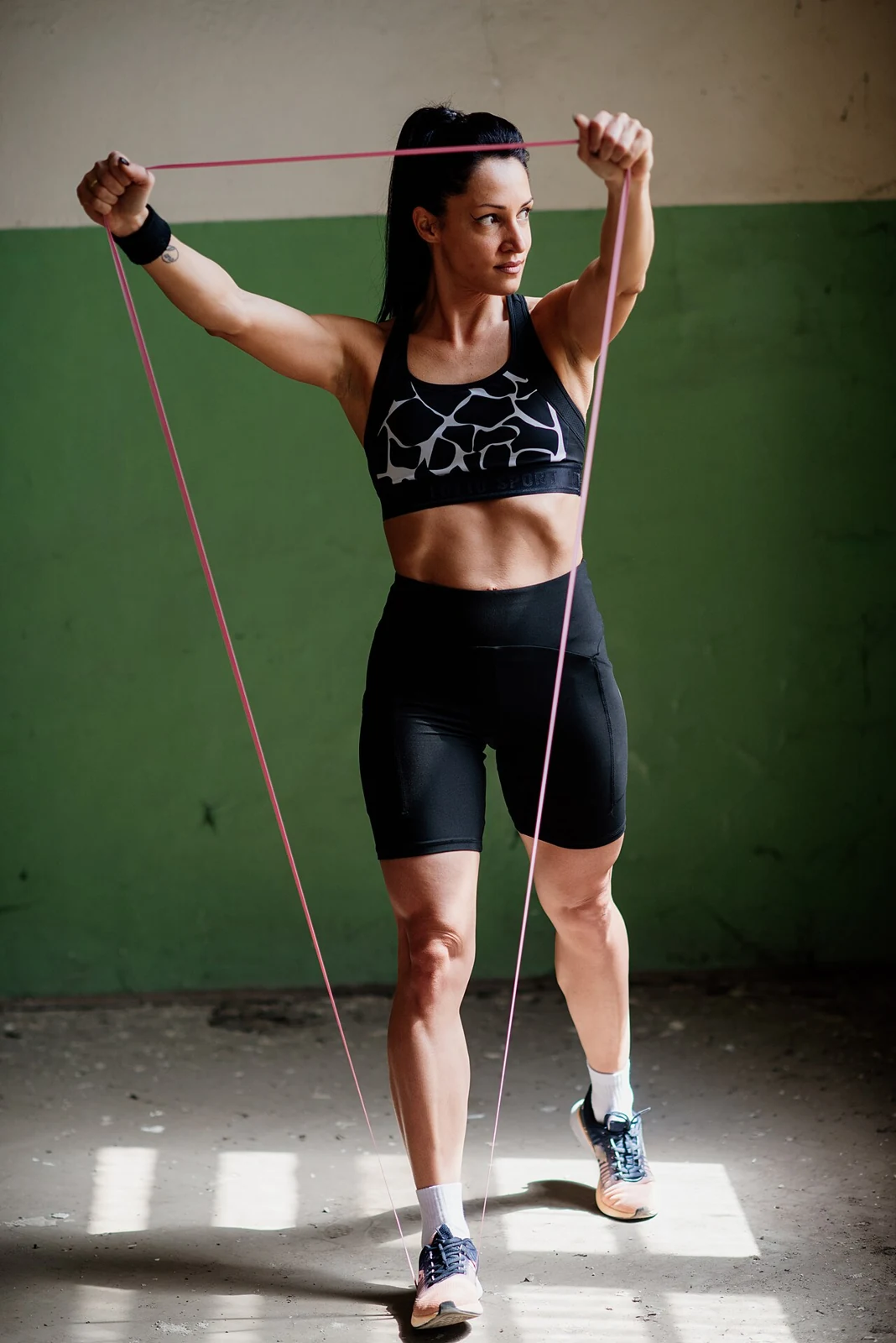
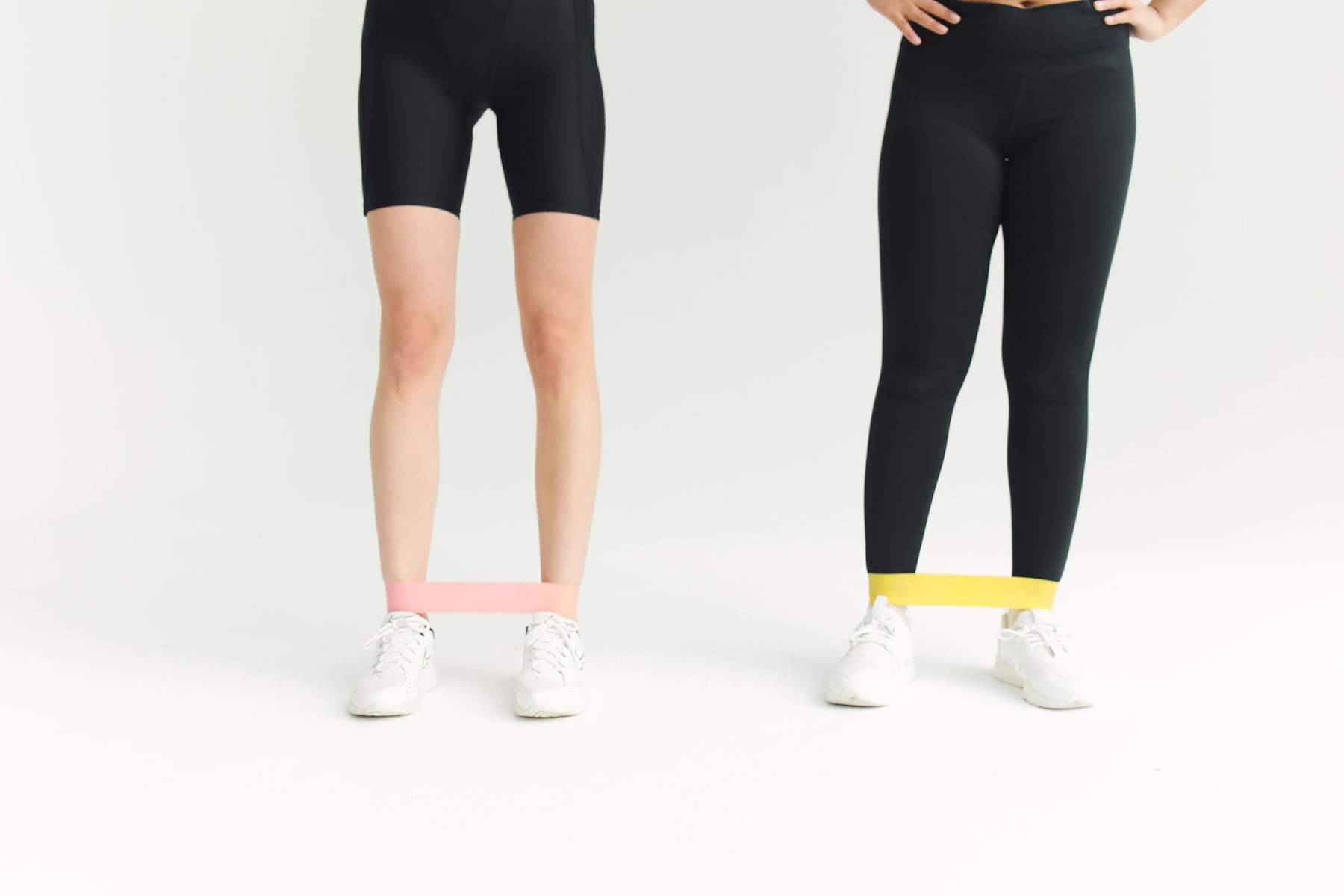
Before adding an exercise, pay attention to the instructions and supports required. A chair, wall or resistance-band anchor is part of an activity rather than decoration. If an instruction is unclear, there is no need to guess. You can choose not to proceed and report the uncertainty. During a beta, that kind of feedback can be useful too.
What participating in a beta means
A trial version can change and may have problems. The release invites feedback about navigation, confusing instructions and features needing improvement. For a technical report, details such as the device, browser and relevant step can help. That does not oblige you to share personal health information: you can keep your report limited to what explains the tool’s behaviour.
The producer also says routines and history are stored in the device’s browser during beta, without cross-device synchronisation, with a history export option. Before relying on a service as your diary, check how to keep the records you want. Do not assume everything will follow automatically when you move from a phone to a computer or change browsers.
The interesting possibility is an informed choice
Traditional strength training ranks fifth in the ACSM 2027 report. That supplies industry context rather than validation of this beta. At CHIARA!, the useful question is how to make options understandable without adding another transformation promise or a new obligation to fit into the week.
Strength Lab is still in beta, so features and instructions may change. Start with its guide and consider whether the sessions suit your level and needs.
You can be curious without downloading immediately, read without starting today and seek guidance without feeling less capable. Your way of moving need not resemble the most spectacular version on a screen. Sometimes the first step is finding an alternative and feeling free to choose it, with enough time to understand it and decide whether it belongs in your day.