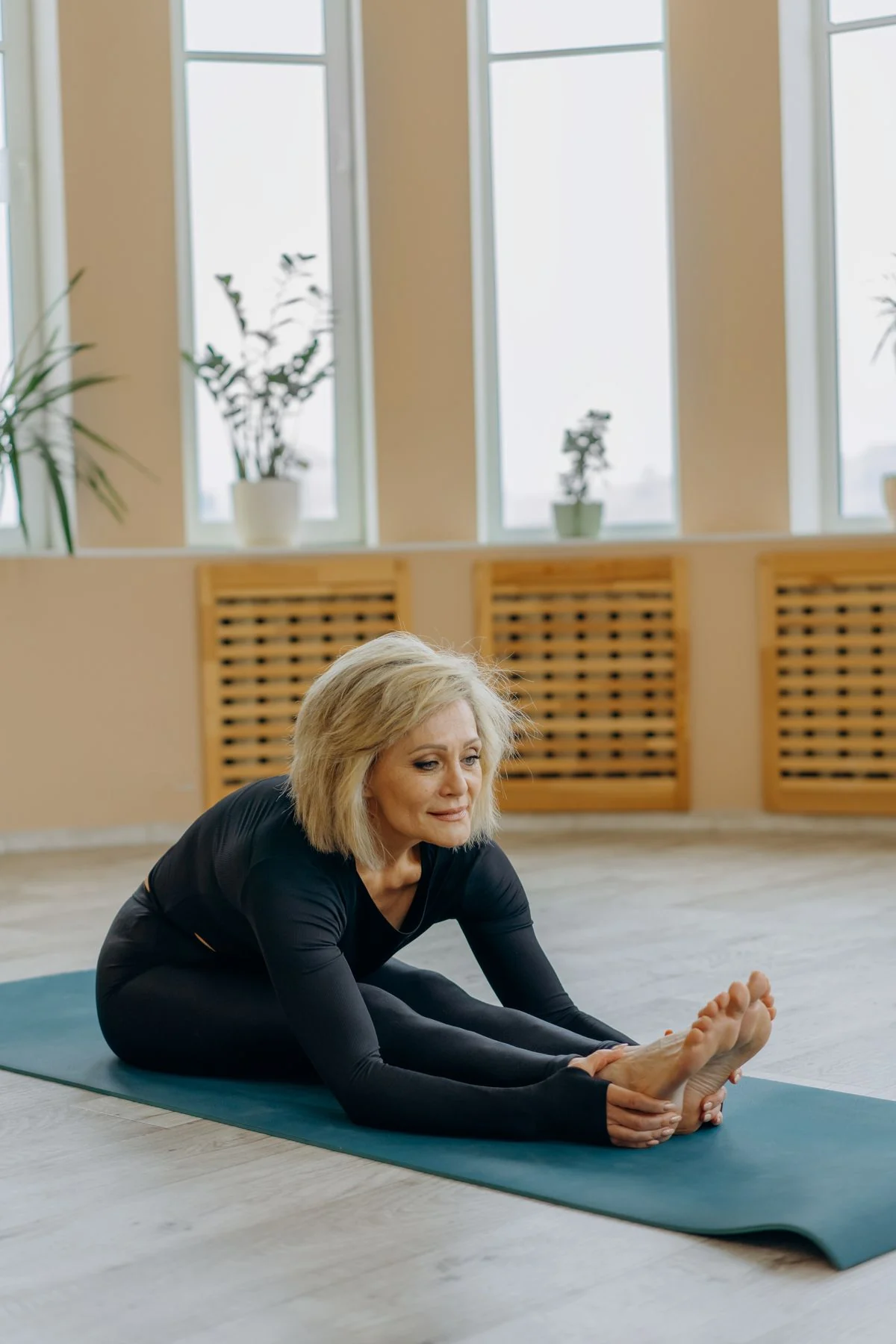
Exercise without filling every minute: BeProud updates its digital coach
Free time does not all have to become training time. BeProud.ai’s updates open a useful conversation about flexible plans, optional sessions and real-life days.

You open your calendar and find a free slot. At last. Then comes the question: how much training can I fit into it? Half an hour? An hour? What if I added something else? Even that little corner you have made for yourself can start to resemble a box that needs filling to the very last minute.
That is where an interesting BeProud.ai update comes in. The AI-based sports planning platform’s changes of 24 October 2026 introduce a simple distinction: the time you say you have is your maximum availability. It does not necessarily have to become the length of every session. The change deserves attention for the question it returns to us: how much space do I really want sport to take up in my life?
What changes in the app?
According to the official release notes, setup lets you specify available days and time windows. The system then proposes how to distribute training. Extra windows can remain free or become optional sessions, identified in the calendar and switchable off in preferences.
Beproud says skipping optional activities does not count as a missed workout. It also offers shorter sessions at certain stages, including the beginning and lighter weeks, explaining why. An interesting detail for fitting movement into a busy day.
Who is BeProud designed for?
The service primarily addresses endurance sports: running, cycling, swimming and triathlon. Its website includes an Italian version. Before imagining it as a solution for every form of fitness, ask whether the activity you enjoy and the kind of programme you want match its approach.
If movement means a water-based class with friends, walking or a gym session, you may not need a new digital plan. If you want help organising sessions across different disciplines, you can explore its features. Start your selection with what you actually do, rather than the word ‘intelligent’ in a product description.
The part that concerns us: a free hour can stay free
Imagine a Tuesday when you finish earlier than expected. There is time to move, but also to shower without rushing, make a phone call or prepare dinner calmly. No rule requires you to give every available minute to exercise. You may choose to, of course. You can also prefer a different balance.
An unhurried shower, a phone call, time to cook dinner: you can leave room for those things too. A little space in the week can make unexpected changes easier to handle.
Describe your time honestly, first to yourself
Before filling in a screen, look at an ordinary week. Not the ideal one where nobody gets ill, work ends punctually and every journey runs smoothly. The one you know: fixed commitments, long days, the time when you feel like going out and the time when you simply want to get home.
You could write down two or three realistic opportunities, distinguishing an appointment you want to protect from one you will consider if you feel like it. This is not a prescription for how many sessions to do. It is a way of approaching any plan with more honest information, without promising a version of yourself that exists only on Sunday evening.
Optional needs to be allowed to mean optional
A word in a calendar can lighten things or complicate them, depending on how we read it. If ‘optional’ turns into ‘I should do it anyway’, pause for a moment. Ask what space you want to give that activity and whether the programme’s presentation helps you decide calmly.
You can also notice notification language, the clarity of summaries and how easily a decision can be changed. These are things to assess when trying a service, not qualities we can assign without testing every screen. A useful app should make sense while you use it, as well as sound convincing in a description.
Artificial intelligence: what to ask before relying on it
What happens if a data point is wrong? Can I correct a session? Do I understand why something is suggested? Where are the subscription and personal-data details? These are practical questions to bring to any digital tool that accompanies movement.
If you already have a coach, discuss things before combining two programmes. If a suggestion seems unsuitable or you do not understand an exercise, asking a professional is more useful than silently doing it to complete a box. Software does not necessarily observe the situation in the same way as someone physically present with you.
The update is real. Your schedule is still yours
The useful change is that some of the time you mark as available can remain free. Before adding a session, ask whether you want it and how it fits the programme you are following.
You can take this question with you without downloading anything: does the programme I follow make room for my actual day? The answer need not be perfect. Start with an honest one and leave some space in your calendar for the life that happens while you are making plans.