DON BOSCO: THAT COURTYARD NEEDED SOME NOISE!
Games, school, work and someone who knows your name. A new way of educating takes shape in nineteenth-century Turin.
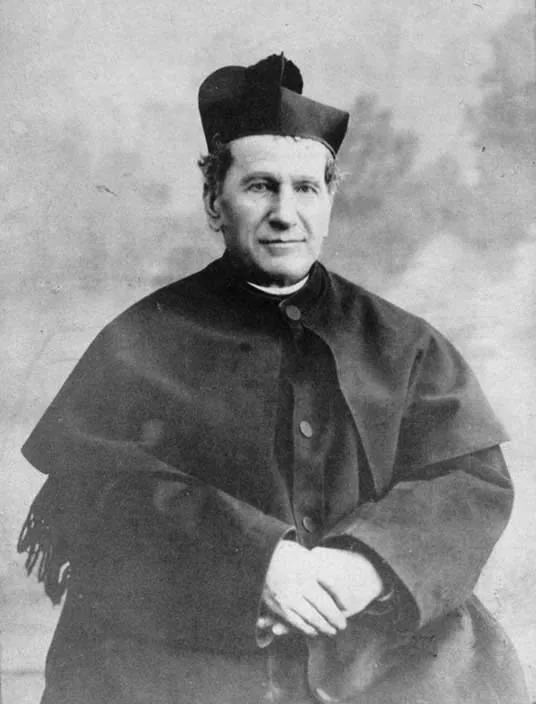
Imagine boys running, laughing and shouting in a courtyard. Don Bosco loved that noise: it meant meeting, playing and wanting to be together. That’s where his story begins.
From the hills to the city
Giovanni Bosco was born near Turin on 16 August 1815. Salesian tradition describes him learning tricks and games as a child, sharing them with prayers and stories. A tiny entertainer! He became a priest in 1841.
Turin was changing. Young people arrived from the countryside seeking work, often poor and without homes or family support. Don Bosco wanted somewhere they could feel welcome and grow. The oratory moved repeatedly at first: relationships came before buildings.
What do games have to do with school?
Games, lessons and faith shared one space. The “preventive system” sought a relationship with a young person before education became punishment for mistakes. John Paul II explained its value in Iuvenum Patris: being present, offering positive experiences and respecting young people’s freedom.
Reason, religion and loving-kindness underpin the approach. Activities need an understandable purpose and a relationship. Today that also requires professional skills, safeguarding and clear responsibility.
A courtyard becomes a network
The Salesian congregation took its name from Francis de Sales. Its female branch is associated with Maria Domenica Mazzarello. Oratories, schools, vocational centres and youth centres carried the experience forward.
In 2015 Francis highlighted the poorest and most marginalised young people. Every educational project can still ask: who most needs a place here?
Don Bosco died on 31 January 1888, was canonised in 1934 and is celebrated on 31 January. Remember the courtyard: we often learn better alongside someone we enjoy being with.