DIFFERENT FAITHS, ONE SHARED TABLE!
A good question can open a world. Listen to someone else’s faith without having every answer ready.
“What does this celebration mean to you?” leaves someone room to tell their story. “You all do this” closes that space immediately. Dialogue begins with the difference between those sentences.
Meeting without becoming identical
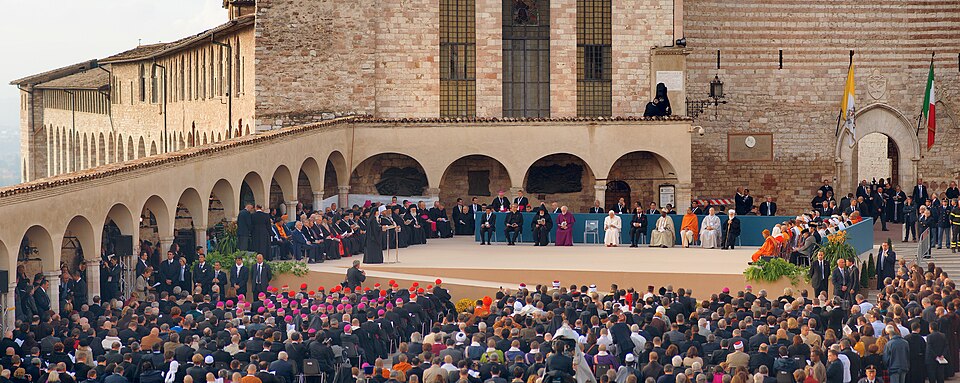
Nostra aetate, the Council’s declaration of 28 October 1965, invites Catholics to recognise what is true and holy in other religions while remaining faithful to Christ. It is a short document; it cannot describe everything about traditions that also differ internally.
It recalls, for example, that Muslims honour Mary and Jesus but do not recognise Jesus as God. The same word can carry different meanings. Asking is better than guessing!
Roots to remember
The document acknowledges Christianity’s bond with the Jewish people and rejects blaming Jews, then or now, for Jesus’s death. It condemns persecution and antisemitism. These words confront a painful past and correct language with grave consequences.
Mary’s Magnificat, mentioning Abraham and promises to the ancestors, returns us to those roots too.
If you are invited, ask
Clothing, shoes, photographs, presence during prayer: places of worship may have specific rules. Ask the welcoming community. You can also respectfully explain that you wish to observe a rite without joining in.
At the table, ask what someone can or wishes to eat. Practices, personal choices and family histories vary. No friend represents millions of believers or owes a defence of every news story about their religion.
Begin with a celebration, memory or everyday gesture. Listen before looking for common ground: you may discover something you had never thought to ask.