HIM, HIS CAT AND A WHOLE LOT OF LOVE: MEET THE CAT DADS!
Young men, cats and an everyday life built around care: cat dads are part of a growing US trend. Behind the nickname is a story of affection, changing habits and responsibility.
Jump to what you need
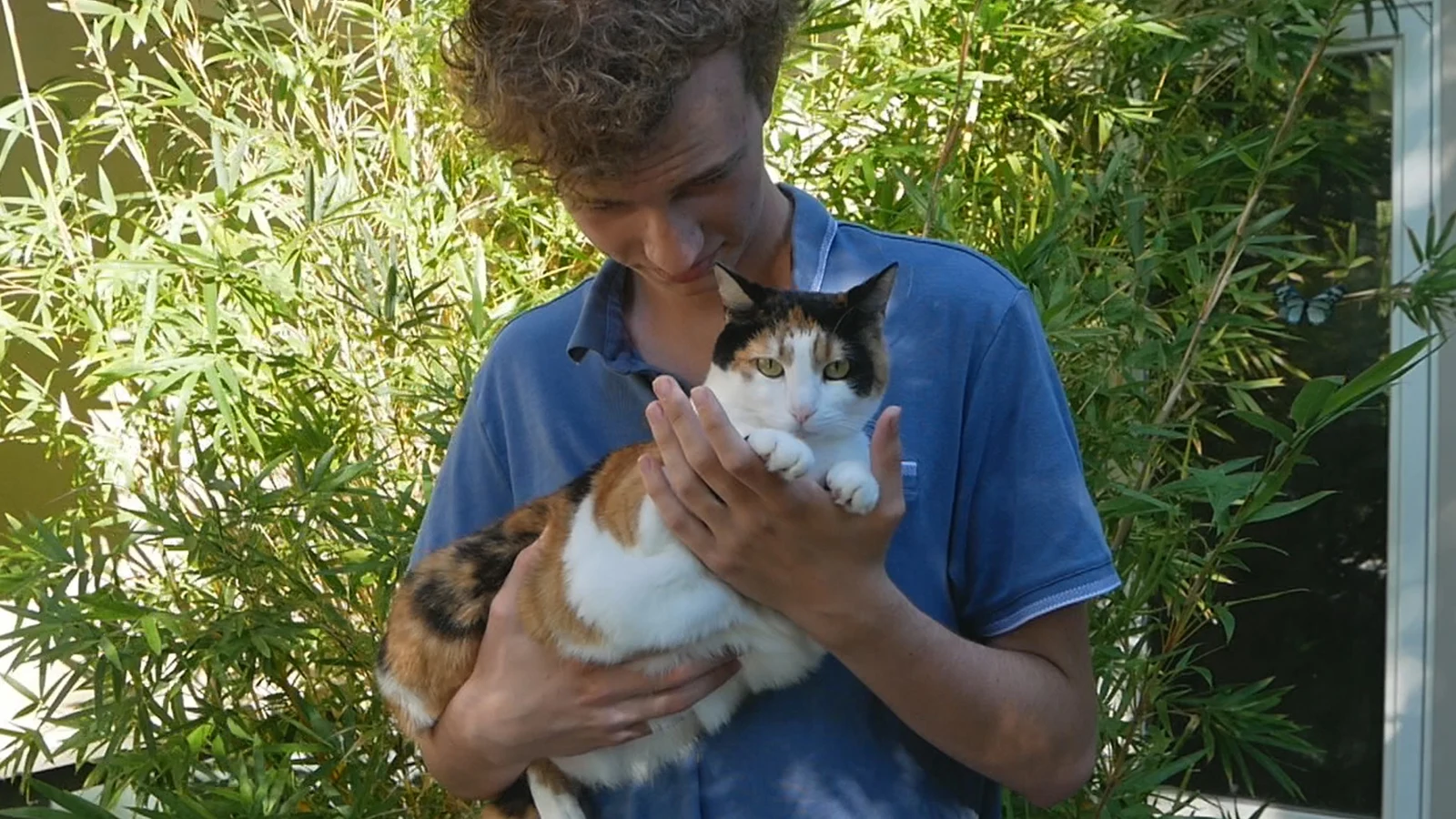
The best place on the sofa is already taken. He settles to one side, gives the cat some room and perhaps proudly recounts its latest adventure with a cardboard box. If that scene feels familiar, you have already met a cat dad: a man who considers his relationship with his cat important and is happy to show it.
The nickname accompanies a documented change in the United States. Men, particularly younger men, have a growing role among people welcoming cats and organising everyday life around their needs. It is a cultural story that begins with purring and reaches into shopping habits, domestic routines and the ways people publicly express affection.
Cats have more than one audience
In 2025, 53 million US households lived with at least one cat: 39% of all households, an increase of 5% from the previous year. Men represented 43% of cat owners. That figure concerns people who own cats; it does not mean that 43% of all American men have one.
Among Gen Z men, cat ownership grew by 27% year on year. Again, that measures growth rather than a share of the population. These findings come from APPA’s national survey of pet owners, presented in its 2026 Cat Report published in September. They describe the United States; Italian habits deserve their own investigation and context.
A new label for recognisable affection
For a long time, cats came with rather narrow cultural pictures: the woman surrounded by felines, the quiet home, a passion treated as mainly feminine. Cat dads broaden that picture. Showing tenderness, knowing a favourite food or worrying about a veterinary appointment can belong in the public story of men’s lives without becoming a joke.
That freedom to care is the interesting part. You can be sporty, reserved, outgoing, very young or older and have a deep relationship with an animal. You do not have to resemble a character. Owning a cat does not automatically certify sensitivity, reliability or romantic qualities either; those emerge in everyday behaviour, including when nobody is watching.
Tenderness begins with the litter tray
Photographs capture cuddles and naps. Living together also involves cleaning, costs, check-ups, play and planning for time away. That is where the nickname gains substance. Knowing an animal means noticing changes in how it eats, rests, moves and seeks company, before a problem becomes impossible to miss.
The first useful step is to observe the particular cat in front of you. Does it seek a high perch? Hide when the doorbell rings? Prefer playing before dinner? Taking those answers seriously helps create a more suitable home. Predictable routines and a choice of places to spend time can matter far more than an accessory purchased because it looks good in a video.
Cuddles work better when they are a choice
A cat may approach to sit beside you without wanting to be picked up. It may enjoy a short stroke and then move away. Let it initiate contact, allow it to end the interaction and watch the whole body rather than relying on purring alone. Tail, ears and posture all contribute to understanding how it feels.
When guests arrive, keep a quiet retreat accessible and explain that the cat can choose not to join in. It is a little lesson in consideration between people too: affection does not require somebody to perform. The cat staying in another room is using the space you have provided, rather than spoiling the party.
The market follows the purring
A growing cat population comes with a broader offer of food, toys, climbing structures, services and objects for humans as well. Younger owners express strong emotional involvement and attention to care decisions. For businesses, they are an important audience; for someone living with a cat, it is mainly an opportunity to choose thoughtfully.
Before buying, ask which practical need the object meets. Does the scratching post allow a proper stretch? Does the toy suit your cat’s size and habits? Is the sleeping place genuinely quiet? Price, packaging and popularity can attract us; usefulness to the animal is better assessed by watching how it uses something and whether it can do so safely.
Two cats? Compatibility comes first
A second cat is not a present to place on the sofa as company for the first. It requires resources, spaces that can be separated and a gradual introduction. A good shared life depends on the individuals and the introduction process. Having enough time and money remains essential, however tempting photographs of two cats curled up together may be.
Talk to the shelter or adoption organisation about your existing cat’s habits and the arrangement of your home. Ask how to manage the first days and which signals to notice. Preparing a separate room and distributing resources makes the arrival more manageable. The aim is a sustainable shared life for everyone, rather than quickly obtaining a picture together.
Even your favourite cat needs a plan
Travel, work shifts and unexpected events are part of life. Decide ahead of time who can care for your cat, share clear instructions and keep your vet’s details handy. Gradually helping a cat become comfortable with its carrier also prepares for appointments. These decisions are easier when you have time to think, before a rushed departure.
If the cat belongs to somebody else and you want to give its person a present, ask what would help. A hand during an absence may be more useful than another bowl. Affection can be expressed that way too: turning up when something practical needs doing, without making every thoughtful gesture into a purchase.
A home where you know each other
The appealing thing about cat dads is the room they make for stories of men’s attention, patience and tenderness. Yet the central character remains that individual cat, with its history and boundaries. A nickname may make us smile; repeated actions are what make living together work.
Continue with why your cat follows you everywhere, prepare the carrier before a veterinary visit or choose a Christmas present that suits your pet. It may still claim the best place on the sofa. Meanwhile, you will have learnt to understand a little more of its world.
SOURCES AND FURTHER READING
Did this story touch your heart?

Psst… you’ll like this too!
Eighty cats, so many kind hearts: Borgomaro’s team of care!
Read the story ↗Share this story